

The dirt on dirt
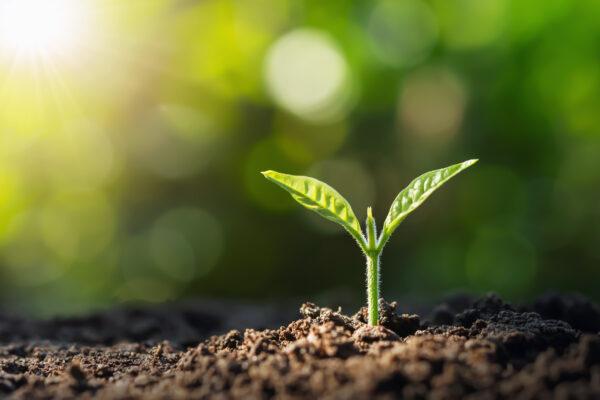
Be careful where you step!
It’s been said that one tablespoon of soil contains more living creatures than all the humans on the planet. It’s full of organic matter, insects, air, moisture, and microorganisms that both decompose plants and provide nutrients for new growth.

Dirt, on the other hand, is essentially lifeless. Water runs off of it. It erodes. Compress a fistful of soil and it holds together. Dirt dissolves through your fingers.
One oft-repeated quote says that despite all of our achievements, “we owe our existence to a six-inch layer of topsoil and the fact that it rains.” Soil purifies and stores water, stores carbon, provides climate and flood regulation, fibre, construction materials, habitat. It’s essential for our food security.
And, like our climate and biodiversity crises above ground, soil too is under threat. In 2014 the deputy director of the international Food and Agricultural Organization (FAO) said we had about 60 years of farming left. There’s been increasing attention paid to soils since then.
The FAO released a major soil biodiversity report in 2020 that covered a lot of ground, including threats like industrial farming, overuse of fertilizers and pesticides and loss of forests. Two years ago, a major Canadian Senate report, Critical Ground, dug into soil health across Canada. It points to a number of soil threats, including extreme weather and climate change, urban sprawl, and pollution from micro-plastics as also being threats to farming and soil health. The Senate’s report mentions corrective measures underway and urges the federal government to designate soil as a strategic national asset. The Ontario Federation of Agriculture gave the report a green thumbs up, as did our local council this year.
Many groups are rooting for better soils, like the Ontario Soil and Crop Association, the Ontario Soil Network and organizations educating about organic or regenerative farming methods. Farmers for Climate Solutions is a coalition of dozens of farm organizations bringing farmers into the conversation.
Soil compaction, lack of organic matter, and over-tilling, which kills microbial networks, provide fertile starting points for solutions. While there’s no one-size-fits-all fix, low-till farming, cover-crops to keep soil covered and protected all year, and methods that minimize chemical fertilizer use are being applied by increasing numbers of farmers.
We can do our bit at home to help those underground communities thrive and our gardens grow. Some tips I’ve run across from master gardeners:
• Plant native plants to reduce the need for fertilizers, pesticides and watering.
• Add compost as needed and think no-till gardening. Instead of digging the compost into the soil, layer it on top. Let the soil critters work it in naturally, to ensure the least disruption to microbial networks and to release the least carbon.
• Choose organic mulch, like composted wood chips or leaves, that eventually will break down to add nutrients to the soil. Rethink the use of those fresh, dyed wood chips. I’m reading that they rob the soil of nitrogen and the dyes can add contaminants.
• Reduce soil compaction. Avoid walking on garden beds by adding pathways, stepping stones or using raised beds.
• Avoid or reduce use of chemical pesticides and fertilizers. They can kill the beneficial life underground.
Remember to step carefully and mulch on.


The indigenous plants do well in “poor soil” aka “dirt” or in many places around here, swampy conditions.