

Plastic – not so fantastic
I don’t know about you, but I didn’t ask for cucumbers wrapped in plastic. It’s a waste, literally.
While some is collected, only about nine per cent of plastic is actually recycled. The government reports Canadians toss about five million tonnes of plastic waste annually. And it’s getting worse. Globally, plastic garbage is expected to more than double in 15 years. By then my daughter will be 45 and her generation will be stuck with an even more drastic plastic mess.

Almost all plastic is made from fossil fuels. As the world increasingly electrifies and uses less oil, gas and natural gas, the industry has been fighting hard to make more of the flexible synthetic stuff. They have to find uses for their product somehow.
That business model is tremendously damaging. Tiny plastic particles have been found in our soil, in water, in air, in our bodies. And plastic hurts the critters we share the planet with. Of the 16,000 identified plastics chemicals out there, more than a quarter are highly toxic. A growing body of research links plastic pollution to increasing rates of cancer, infertility, heart disease and cognitive problems like Alzheimer’s.
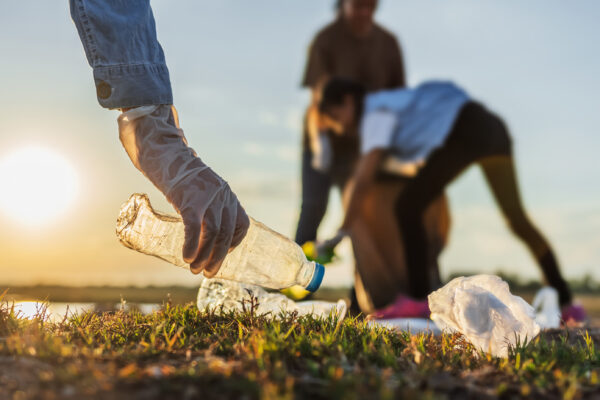
Plastic never really biodegrades into anything nature recognizes. Instead, a carelessly discarded plastic bottle will eventually break down into microplastics – an estimated 25 million particles. Then there’s the even smaller nanoplastic particles that more easily pass into the bloodstream. And most recyclable plastic can be recycled only one to three times.
The world has taken note. In 2022, this year saw the first global plastic treaty negotiations. Since then, the international group has met regularly but struggled to come up with a plastics agreement. It doesn’t help that chemical and fossil fuel industry lobbyists outnumber the scientists at these talks. While many delegates want to reduce plastic production and phase out certain plastics, the petrochemical industry is pushing for recycling to do the heavy lifting. And we know how successful that’s been.
Nonetheless, governments are starting to ban certain plastic products. Recently the federal court of appeal supported the Canadian government’s listing of plastic as toxic. That means the ban on single use plastics like grocery bags, straws, stir sticks, and cutlery will continue. It was up in the air due to a petrochemical industry challenge. Naturally.
That ban has yielded results. Since it came into effect, the number of plastic bags picked up around Toronto’s Don River has plummeted 99 per cent, the chair of Don’t Mess with the Don told CTV. Here in Kawartha Lakes “we have definitely noted a decrease in plastic bags during daily litter collection around the landfills,” said Waste Management Manager Heather Dzurko.
While we can’t avoid plastic, researchers have some tips to reduce exposure.
- Avoid heating or eating food in plastic. And avoid hot beverages in plastic or plastic/lined cups. Time to take your to-go cup to the drive-through.
- Choose natural fibres like cotton, wool, linen or leather over synthetics whenever possible. Polyester, nylon, acrylic and fleece are made from fossil fuels. They’re essentially plastic and they shed fibres. I just got rid of a zippered jacket made from recycled plastic bottles. And I have new-found respect for our ancient leather sofa.
- Dust and vacuum often. There’s microplastic in those dust bunnies.
- And if possible, choose a cucumber that’s not wrapped in plastic.

Did the Lindsay Advocate ever do a follow up on this story they reported. Fast forward to today and it seems the average Lindsay homeowner is being chastised for a plastic bag while large business owners as in this article get away scott free. Looking forward to tbe Advocates follow up story.
https://lindsayadvocate.ca/plastic-shock-tonnes-of-waste-destined-for-landfill-from-old-northern-plastic-plant/
I hike a lot and am always horrified at how much plastic garbage there is on the trails. Very sad to see, and to know that many birds and animals will die because of people’s laziness. We really need enforced littering laws.