Marking milestones
Two local businesses thrive through change and community
According to recent data from Statistics Canada, only 30 per cent of goods-producing businesses and 24 per cent of service-producing businesses in Canada survive past the 20 year mark.
In Kawartha Lakes, businesses are surpassing the five- and ten-year milestone marks, with some reaching 20, 30, or even 100 years in business. For these local business owners, it’s a testament to their ability to adapt to changes when needed and retaining a loyal customer base.

In 1926 Northern Casket opened its first location on William Street. The business was founded by five local businessmen, one of them being Charles Ferguson, who would later buy out the other partners.
The business has worked hard to introduce new products to the funeral industry. In the 1990s they introduced the Enviro-Casket, a casket that is free from any metals, steels, chemicals, dyes, staples, or harmful glues and it also aligns with the Orthodox Jewish burial requirements.
Charle’s grandson, Gord, also founded North Urn Ltd in 1999. This came as cremation rates started to climb. Gord was able to introduce The Funeral Ark to the company, the world’s first urn carrier.
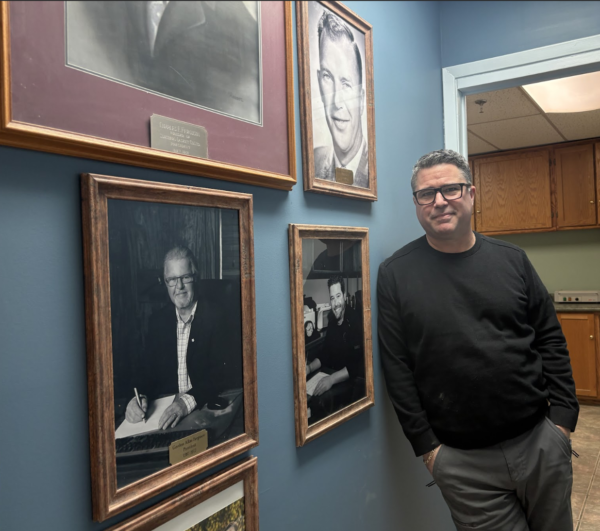
From there, Northern Casket has remained family owned. One hundred years later and Charles’ great-grandson, Caley Ferguson has been the president of Northern Casket since 2017 and has been involved with the business since he was 15.
Ferguson has plans to keep the company evolving. “Spending (a lot of) money on a casket is just becoming less and less popular. That being said, to keep our company strong, you have to pivot. If we’re going to look at (the industry) and only sell caskets, it’s going to be a slow death for this company.”
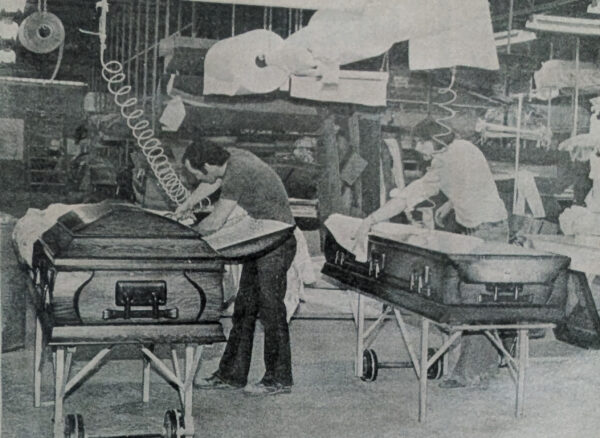
Northern Casket sells around 20,000 caskets per year, with the majority of sales happening in Ontario, however they do have trucks deliver to Saskatchewan and some sales come from the U.S. Despite being a product not affected by tariffs, before the last presidential election 30 per cent of the company’s business came from the United States; now that number sits at five per cent.
One of Ferguson’s favourite parts of his job is giving tours to funeral directors. The most common reaction he gets is shock at just how much work goes into making one casket. From gluing pieces of wood together, to putting on a glossy finish, and performing a final inspection, there are about 80 people working to put a casket together.
He understands how pricey a casket can get, but by inviting funeral directors for a tour, it helps put into perspective that a $5,000 casket took dozens of people to build. “It builds so much value in our clients. Until you see it, you don’t think about it,” Ferguson said.
While they do supply a large selection of high-end caskets, they “have everything from rental inserts, all the way up to a solid mahogany casket with gold trim,” said Ferguson. For the business it’s important to be able to meet the price points of all clients.
“The (casket) business is kind of disappearing, sadly. So, it’s a huge feather in our cap to make it as far as we have and still going strong,” said Ferguson. “It’s a lot of pressure trying to carry that on, but more pride than anything else.”
When she was 22, Angela Field dropped out of college and took an international trade course where she learned all about importing. “I always loved history, and always had an interest in where things came from and the stories behind things,” she said.
Now, 30 years later, she’s reflecting on her store Tradewind Toy and Gifts, formally Tradewind Imports. The shelfs are currently lined mainly with games and puzzles, but when it first opened in 1996 it sold items ranging from pottery to chainmail and handmade clothing from Indonesia.
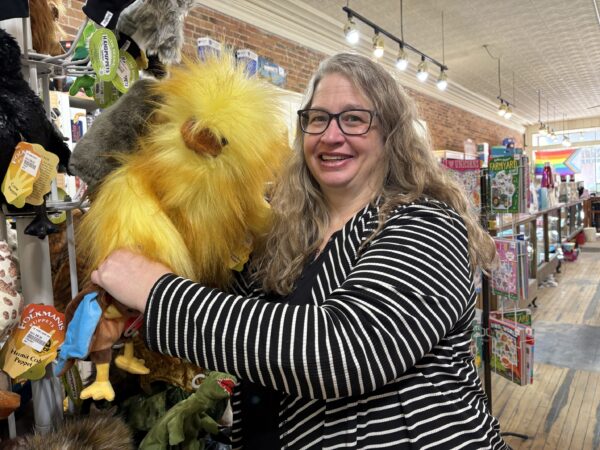
She was able to open the store by getting a youth venture loan. “Everything I made for the first couple years, went back into the business, and then we were able to keep growing.”
With the support of her parents and a loyal customer base, she’s been able to keep doing the job she loves. “You need to enjoy what you do, because life is too short to be in a job you don’t like.”
The key to Tradewind’s success has been in its ability to change overtime. “The reality is, if you’re not open to change and open to growth then you just won’t survive in a retail environment,” said Field. When the store first opened a lot of the products Field was bringing in were imported from other countries, but now she tries to keep in stock locally made and Canadian products.
From day one she’s always carried a selection of toys and games, and she’s seen first-hand how the demand for those products has increased over time. “As much as COVID was horrible for so many people, it kind of forced people to sit with families and start to play games again.”
Her job also requires being able to make good suggestions for people. While it may seem simple enough to recommend a game, she has to take into consideration the types of games someone typically plays, and how many people will be playing.
Field has also been able to bring products in from companies that make puzzles and games more accessible for those with cognitive impairments, like Alzheimer’s, and for people who are simply getting older.
For her, it’s important to have options for those customers who need puzzles with fewer pieces to not be forced to buy children’s puzzles. “They can still have dignity by showing respect to the images you sell. You’re not going to sell an adult a child’s puzzle because of the amount of pieces,” she said. Field has been able to buy from companies that sell puzzles with bigger or thickets pieces.
She also loves the downtown scene, and if she doesn’t have a product in stock, she’ll try to point customers in the direction of another local business.
While she might not be selling items like chainmail anymore, “I still can tell people the story behind pretty much everything in here.”