Community

Aggressive ATV incident in Coboconk area
The City of Kawartha Lakes detachment of the Ontario Provincial Police (OPP) is continuing to investigate an incident involving an… Continue reading “Aggressive ATV incident in Coboconk area”
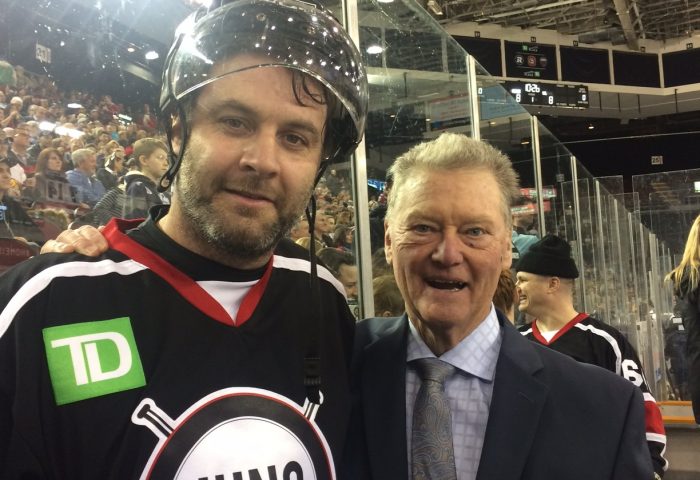
James shoots and scores with song on popular hockey podcast
Darryl James has performed on some of the biggest stages in the world, to some of the largest audiences, and under the studio lights of television shows that draw millions of viewers across the continent.
And while the affable and humble local musician and producer is forever careful to keep that success – garnered as a member of The Strumbellas – in perspective, he seems almost giddy at his most recent accomplishment: being showcased, as solo artist, on the wildly popular podcast, 31 Thoughts , hosted by Hockey Night in Canada’s Jeff Marek and Elliotte Friedman.
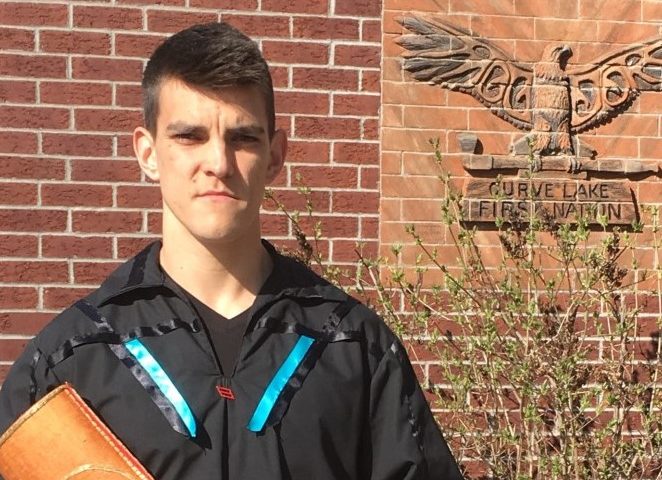
Local man concerned about future of Anishinaabemowin language
At least 85 Indigenous languages in Canada are either vulnerable to or facing outright extinction, according to the United Nations Educational Scientific and Cultural Organization. One of those languages is Ojibwe, or Anishinaabemowin, the language spoken locally by the Nishnaabeg of Curve Lake. If D.J. Fife has his way, this ancient and complex language will not disappear without a fight, but the challenge is great.
“It is a dire time for the language today in Ontario. The language is seriously endangered at Curve Lake. I would say there are perhaps fewer than 20 proficient Anishinaabemowin speakers left in our community,” Fife said. UNESCO concurs, reporting that there may be fewer than 6,000 Ojibwe speakers left in all of Canada.
Local man concerned about future of Anishinaabemowin language
At least 85 Indigenous languages in Canada are either vulnerable to or facing outright extinction, according to the United Nations Educational Scientific and Cultural Organization. One of those languages is Ojibwe, or Anishinaabemowin, the language spoken locally by the Nishnaabeg of Curve Lake. If D.J. Fife has his way, this ancient and complex language will not disappear without a fight, but the challenge is great.
“It is a dire time for the language today in Ontario. The language is seriously endangered at Curve Lake. I would say there are perhaps fewer than 20 proficient Anishinaabemowin speakers left in our community,” Fife said. UNESCO concurs, reporting that there may be fewer than 6,000 Ojibwe speakers left in all of Canada.
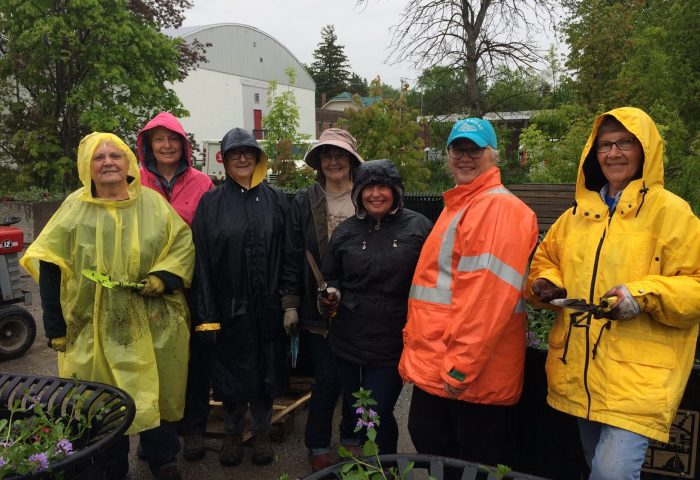
New Community Foundation fund for local horticultural society.
The Community Foundation of Kawartha Lakes has announced the launch of a new fund, in the name of the Fenelon… Continue reading “New Community Foundation fund for local horticultural society.”

Zoom Playgroup: EarlyON continues to connect local families and offer support
Transitioning into parenthood can be isolating and difficult at the best of times. Reinforcement and relief from family and friends is often expected and can be an opportunity for reprieve sleep deprivation, but restrictions have made family and in-home support difficult. That’s where EarlyON comes in.
EarlyON program facilitators know from experience that being a great parent takes time and practice and that parents can learn from being around other parents. EarlyON centres offer free, high quality programs for families and children from birth to age six. Parents can get advice from professionals trained in early childhood development, find out about family services in the community, and connect with other families with young children.
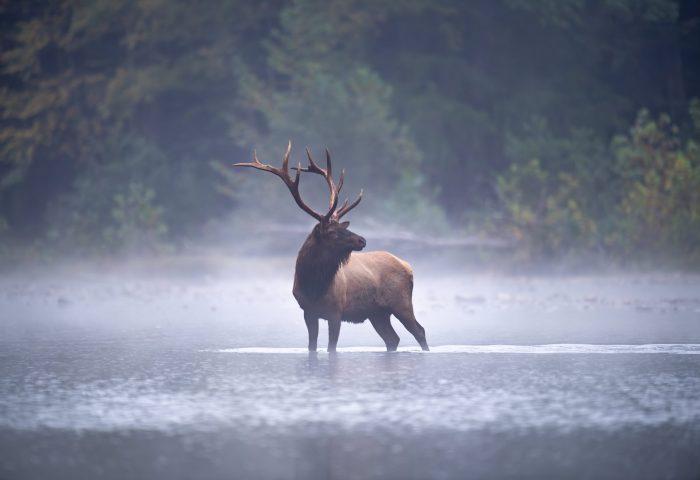
Before the settlers came: Learning the Indigenous history of Kawartha Lakes
How do we tell the history of a people and a place when we have tried to erase that people from that place? The people I am referring to are the Michi Saagiig Nishnaabeg, the original people of what is most recently called Kawartha Lakes. How do we recount their history when most people don’t even know their name?
Do we begin with the treaties, the official documents of 1818 and 1923 that the Michi Saagiig Nishnaabeg were forced to sign, ceding control of their land and later their hunting, fishing and gathering rights to the colonizers?
Do we discuss how a people who did not consider the land something that could be “owned” or “sold” thought these were agreements to share the land peacefully, not agreements that relinquished their rights completely?