
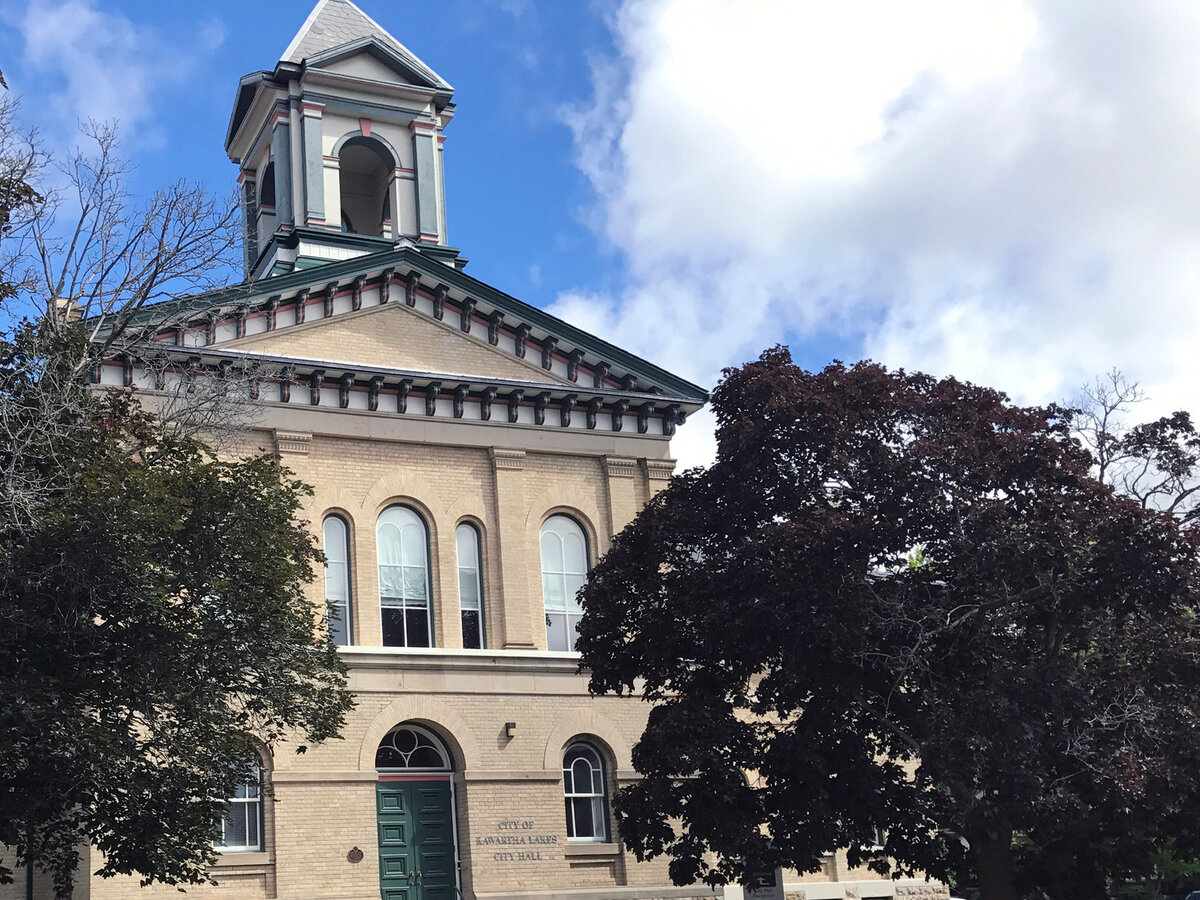
Kawartha Lakes voters are choosing the council that will govern through rising taxes, aging infrastructure and increasingly expensive municipal services. That makes this the right time to ask a basic question: What are taxpayers getting for their money?
This series applies one test to four major areas of municipal government: What standard did council approve? How much demand did the service face? What did it cost? What happened? And if the result fell short, why?
This is analysis, not an audit. Higher spending is not automatically waste. Lower spending is not automatically efficiency. Where the public record does not answer a question, that is a reporting gap - not proof of poor performance. A Sources and Methods Appendix follows Part Four and identifies the principal public records, calculations, comparator studies and limitations used in the series.
If municipal services are performing well, the evidence should show it. If they are falling short, taxpayers should be told where, why and what will change.
PART ONE: Before taxes rise further, show taxpayers what municipal spending delivers
Kawartha Lakes has mapped out a costly decade ahead. Before residents are asked to finance it, they should be able to see what today's spending is producing.

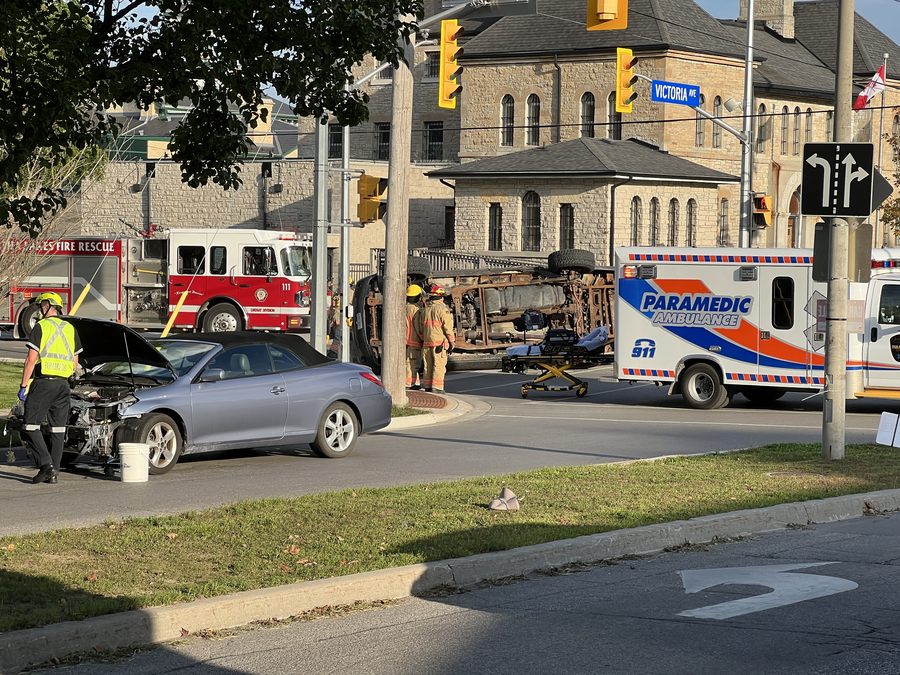
PART TWO: Fire protection is too important — and too expensive — to measure vaguely
What level of fire protection are Kawartha Lakes taxpayers paying for — and how do we know if it’s being achieved?

PART THREE: Kawartha Lakes spends more than $20 million on policing. All three models deserve a real business case
The present municipal police-OPP arrangement may be the best choice. Citywide OPP might be. An expanded municipal service might be. The public record should show which one delivers the required service at the best long-term value.

PART FOUR: William Street shows why a traffic decision needs a public result
The city published its engineering case, yet residents remained frustrated and the dispute followed a new councillor into the 2026 election.




Leave a Comment
Your email address will not be published. Comments are moderated.