

The present municipal police-OPP arrangement may be the best choice. Citywide OPP might be. An expanded municipal service might be. The public record should show which one delivers the required service at the best long-term value.
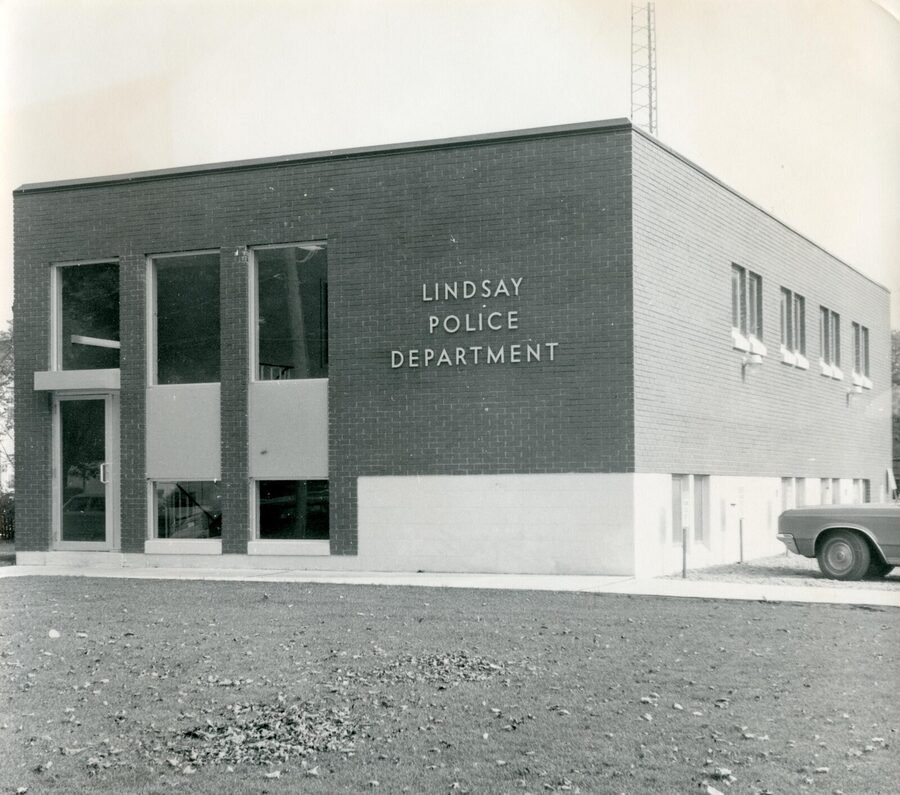
Kawartha Lakes has an unusual policing structure. The Kawartha Lakes Police Service (KLPS) serves Lindsay and Ops. The Ontario Provincial Police (OPP) serves the rest of the municipality.
The arrangement may provide excellent value. We could find no current public, like-for-like business case demonstrating that it does.
At more than $20 million a year in combined policing costs, the structure is too important to continue indefinitely simply because it already exists.

There are three models worth costing
Kawartha Lakes does not face a simple choice between keeping the present arrangement and moving to OPP. There are at least three credible models: keep KLPS and OPP as they are; move to citywide OPP; or expand municipal policing citywide through KLPS or a successor service.
A credible business case should compare all three. Each should be required to meet the same service standards for front-line coverage, response performance, investigations, community policing, specialized services and other capabilities residents expect.
Only then should the costs be compared - and those costs must include more than annual police budgets.
Do not compare two budget totals
Kawartha Lakes reported combined policing costs of $21.7 million in 2025. Its 2025 OPP billing statement was about $9.93 million after adjustment. The 2026 KLPS budget was about $13.68 million.
Those numbers cover different territories, workloads, years and responsibilities. Putting them side by side does not tell residents which service is cheaper.
A real comparison must first define the service: How many front-line officers? What response expectations? What investigative capacity? What community programs? What specialized services? What level of local governance? Then cost each model against those same assumptions.
Capital can change the answer
Northumberland County's policing review is instructive because it showed how facilities can reshape the business case. StrategyCorp included a proposed $34.4-million Cobourg police facility in the municipal-service scenario. Avoided capital costs became part of the case for OPP.
Kawartha Lakes has its own capital questions. The 2025 Development Charges Background Study includes a $10.3-million expansion of the existing police headquarters planned for 2029 under the present service framework.
A citywide municipal service would require a detailed capital plan. Would Lindsay headquarters be enough? Would northern operational space be needed? How many additional vehicles? What evidence and property facilities? What radio coverage? What information technology and dispatch upgrades?
Those costs could be substantial. They must be calculated, not guessed.

Communications deserve special attention
KLPS already performs an important citywide function. Its communications centre is the primary answering point for all 911 calls in Kawartha Lakes and also dispatches police and fire.
That means it would be wrong to assume a citywide municipal police service starts with no communications infrastructure. It would be equally wrong to assume the existing system can automatically support police patrol across more than 3,000 square kilometres.
A business case should determine the actual cost of police-grade field coverage, redundancy, radios, backhaul, towers or repeaters if required, and dispatch capacity.
The same discipline applies to facilities. OPP once maintained a Coboconk satellite office and later closed it. That history shows why a northern detachment should not be assumed necessary - or unnecessary - without a deployment analysis tied to the service standard.

OPP has risks too
Citywide OPP would not make policing costs disappear. Transition could involve severance, pensions, assets, facilities and collective agreements. Locally valued services might require enhancements purchased by the municipality.
OPP also carries a different cost risk: important drivers are set provincially. Municipalities can face increases arising from provincial bargaining and the billing model rather than local decisions.
So this is not an argument that OPP must be cheaper. Nor is it an argument that municipal policing must be better. It is an argument against choosing without calculating.
Define local control
KLPS supporters reasonably value local knowledge and local governance. Those advantages should be defined precisely. Which services or programs would residents lose under OPP? Which response or investigative capabilities are distinct? What would it cost to preserve them?
Then reverse the question. Which provincial capabilities would an expanded municipal service have to reproduce, contract for or access through agreements? Put numbers beside the differences.
ELECTION QUESTION
Will you require an independent long-term business case comparing the current KLPS-OPP structure, citywide OPP and citywide municipal policing using identical service assumptions and full capital and life-cycle costs?
Any of the three models might win. The unacceptable answer is not one model or another. It is that no current public, like-for-like calculation exists.




Leave a Comment
Your email address will not be published. Comments are moderated.