
The city published its engineering case, yet residents remained frustrated and the dispute followed a new councillor into the 2026 election
Speeding is a familiar municipal complaint. In 2025, Kawartha Lakes Weekly reported that councillors in all eight wards identified it as the leading concern they heard from residents.
Kawartha Lakes has since built a more structured Safe Streets process. William Street North shows both the value of that process and the cost when a documented decision does not resolve residents’ dissatisfaction.
The city reached a documented decision. It did not end the dispute.
A request became an engineering report
Cameron and Wylita Clark petitioned council in October 2023 for all-way stops at William Street North and Elgin Street and at William and Colborne Street West. Council directed staff to review the Elgin request and report by the end of the second quarter of 2024.
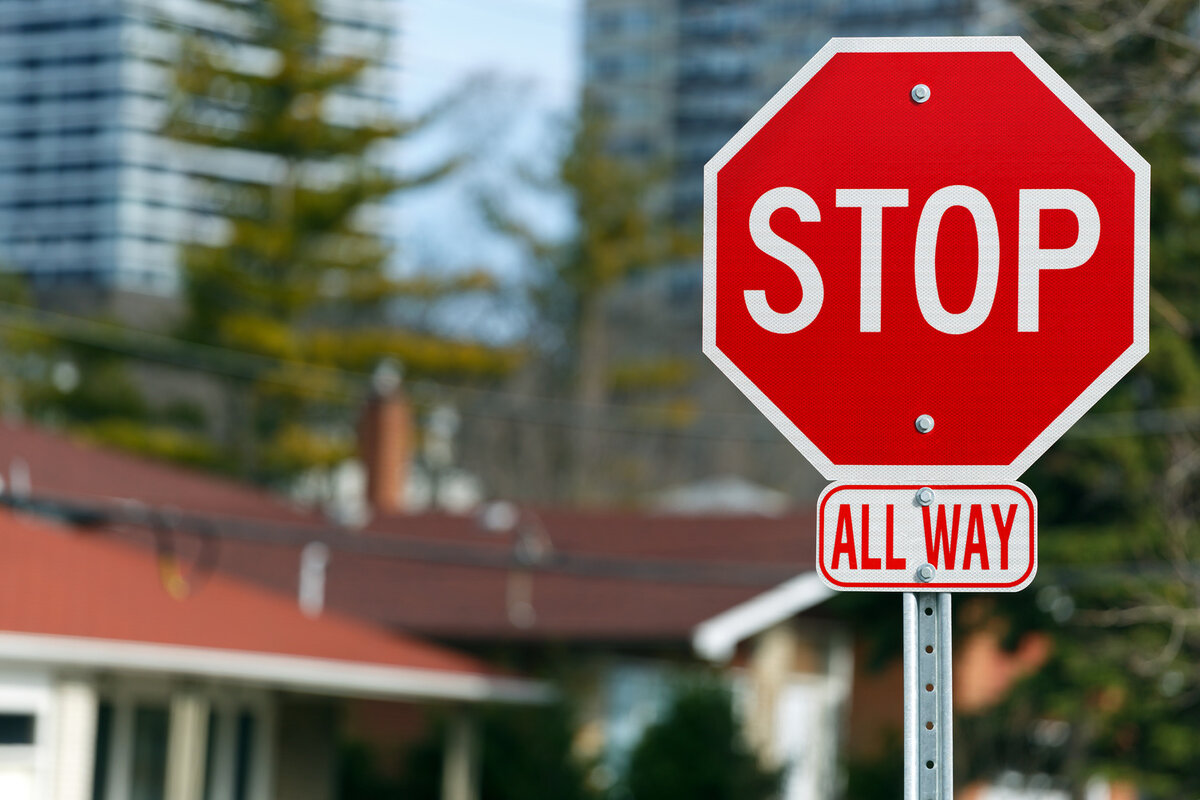
Traffic Management Supervisor Joseph Kelly reported on June 4, 2024, meeting the deadline. ENG2024-014 explained that all-way stops assign right of way. The Ontario Traffic Manual does not treat them as traffic-calming devices.
At William and Elgin, traffic met the main volume threshold during two of eight hours and the minor-road threshold during none. The directional split was 89-11, and no collisions had been reported during the three years examined. The intersection did not qualify for an all-way stop.
William and Colborne did not meet the full volume warrant, but it averaged three reported collisions a year and met the collision warrant. On June 25, council approved an all-way stop and flashing beacons, estimated at $8,350, for installation by the end of the third quarter.
The engineering answer was clear
This is evidence of a municipal process working. Council recorded the request, set a deadline, received an analysis, disclosed the costs and made a decision.
The report answered a narrow question: Did either intersection meet the provincial criteria for an all-way stop? It did not settle whether speeding or pedestrian access at Elgin required another response.
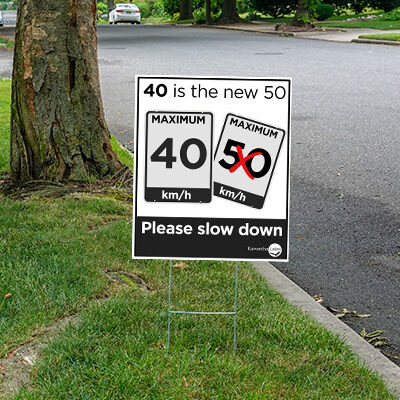
The Clarks later cited a speed report that they said recorded some vehicles above 80 km/h in a 40 km/h zone. The underlying speed distribution, study conditions and pedestrian data are not presented in ENG2024-014.
The issue outlived the decision
On Sept. 10, 2024, Wylita Clark returned to a council committee seeking traffic-control measures for William Street North. Council received the deputation two weeks later.
Eric Smeaton represented Ward 5 during the petitions, engineering report and council decisions. He resigned effective Nov. 1, 2024. Mark Doble won the subsequent byelection and took office on April 22, 2025. He inherited the file and the continuing dissatisfaction; he did not take part in the earlier work.
Doble inherited the file in 2025. He was not involved in the 2023 petitions, traffic counts or 2024 engineering decision.
The dispute reached the election
By July 2026, Cameron and Wylita Clark had helped form Ward 5 Citizens for Safe Streets Initiative. The city's certified election list now records Cameron Clark as a registered third-party advertiser.
A sign on the fence outside the Clarks' William Street North home tells voters to "Dump do-nothing Doble." The slogan is political advocacy, not a finding of this analysis.
Doble was not responsible for the original decision. Voters may still judge how he handled the inherited dispute after taking office.
The sequence shows how dissatisfaction with a municipal process can attach to the person who later holds the office. Social media can amplify a campaign charge while shedding the dates and technical details that complicate it.
Cost is more than the invoice
The approved Colborne work had a stated price. Staff time, council time and enforcement resources also carry costs, although the city has not quantified them for this case.
Other consequences do not appear in a budget: years of resident effort, loss of trust and the attention an incumbent must devote to an accusation tied partly to work completed before his term.
Those consequences do not prove that the residents were right, that the engineers were wrong or that the criticism of Doble is fair. They show why municipal performance includes communication, followup and public confidence as well as technical compliance.
Measure the result
For William and Colborne, the next public questions are straightforward. Was the stop installed on time and on budget? Did speeds or collisions change? Did traffic move to Elgin, Orchard Park Road or another nearby street?
For William and Elgin, residents should be able to see the speed data, pedestrian counts and alternatives considered after the stop warrant failed. If the city concluded that no further treatment was justified, it should publish the reasons.
A completed review is an administrative result. A safer street is the public result. When the two differ, a clear record helps residents and officeholders debate evidence instead of reconstructing the file.
ELECTION QUESTION
Will you require a public Safe Streets scorecard showing each request, measured risk, decision time, intervention cost, followup and result?
The accountability test should outlive the election
Taxes, staffing, roads, fire, policing and traffic safety require different measures. The public test remains the same.
STANDARD: What result did council approve?
DEMAND: How much work was required?
COST: What did the complete service cost?
RESULT: What actually happened?
COMPARISON: How did it compare with previous years or suitable peers?
EXPLANATION: If the target was missed, why?
DISTRIBUTION: Did a citywide average hide materially different service in different communities?
A permanent scorecard should not presume that municipal employees are failing or that the cheapest service is best. It should publish the approved standard, demand, full cost, result, comparison and explanation.
That record would help residents evaluate service and help councillors answer criticism with evidence, including when a decision is unpopular.
Taxpayers have to finance the services their community requires. City hall has to show what those services delivered.
Every candidate seeking authority over municipal spending should answer one question: Will you require results to be published even when they make city hall look bad?
Accountability does not require every dispute to end. It requires a public record of what government did and whether it worked.



Leave a Comment
Your email address will not be published. Comments are moderated.