The green, green grass of home
Cool Tips for a Hot Planet
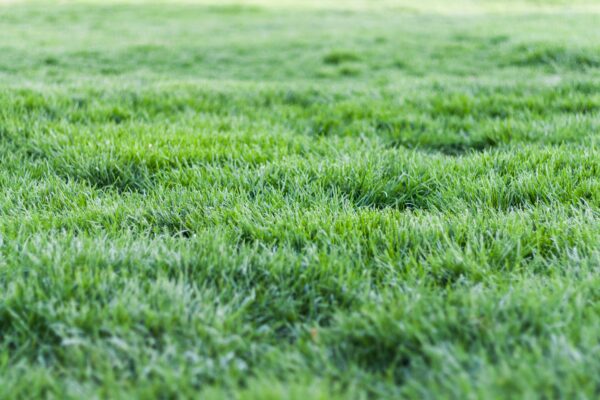
Ah – a lush, green expanse of lawn. Something many aspire to. My much-loved and dearly- departed in-laws worked hard on the huge lawn on their farm. They had at least an acre to cut. And fertilize.
Nitrogen-based fertilizers used around our homes are also used in industrial agriculture. Right now, without them, it would be hard to feed the eight billion souls that share our planet.

Most of those fertilizers are manufactured using a process developed in Germany more than a hundred years ago. It captures nitrogen from the air and turns it into ammonia – a main ingredient in agricultural fertilizer. That’s all good except for one thing: The process uses a lot of natural gas. So much, that producing one tonne of ammonia releases three tonnes of carbon dioxide pollution. If this industrial method were a country, it would be the world’s eighth largest emitter.
What’s more, when nitrogen fertilizers are applied to soils, they can release nitrous oxide, a gas that’s up to 300 times more polluting than carbon dioxide.
Over-applying these fertilizers creates other problems. They can burn the lawn, and contribute to water and air quality issues. According to the U.S. Environmental Protection Agency, “excess nitrogen has contributed to acid rain, polluted drinking water, and caused oxygen depletion and ‘dead zones’ in water bodies.” That hurts fish and other aquatic life.
Over time, evidence shows they can deplete soil health. On the other hand, organic fertilizers get higher marks for boosting micro-nutrients in soil.
For many reasons, we should probably use synthetic nitrogen fertilizers sparingly, and only when necessary. Producing food is necessary. But only beasts like cows and goats consider grass food. Maybe it’s time to rethink how we feed our lawns. After all, they’re the largest non-food crop in the country.
The good news: We control how we manage our lawns, and there are alternatives to chemical fertilizers. If you see “ammonium nitrate” or “urea” listed, you’re likely looking at a chemical fertilizer. Organic fertilizers use natural sources like aged manure, compost, or blood meal.
The three numbers on a fertilizer package, for instance 24-4-12, show the ratio of nitrogen to phosphorous and potassium. A high first number means high nitrogen – likely synthetically produced. A lower first number like 5-7-6, could be an organic fertilizer.
There are trade-offs. Chemical fertilizers give a quicker hit to the lawn, for rapid growth. Some critics say that fast growth can come at the expense of a shallower root system, making the lawn less drought resistant. There are slow-release varieties available.
Organic fertilizers feed soil microbes first, and they in turn feed the plant – a slower process with benefits over time. Healthy soil retains moisture, holds onto nutrients and resists erosion.
Tips I’ve gleaned from those who promote organic lawn care:
- Seed the lawn with fescue mixes. They’re slow growing, require less watering, and less fertilizer.
- Leave the grass clippings. They provide mulch to keep moisture in the soil and recycle nutrients as they biodegrade.
- Consider aerating the lawn to provide more oxygen to the roots.
- Top dress with compost and consider overseeding with white clover. It fixes nitrogen in the soil.
Without fast-release chemical fertilizers, grass will grow more slowly – which means less cutting, less pollution from the gas lawn mower. And more time to enjoy your yard.