Step up to reduce kids’ digital overload
Recent federal government moves aimed at increasing online safety for young people are, generally speaking, a step in the right direction. For years now, we’ve been allowing corporations to experiment on us, profiting from our attention and emotional involvement online, and kids are among the most vulnerable.
Standing up to those corporations isn’t just the government’s job. Those of us with young people in our lives, whether our own children or grandchildren, our siblings’ kids or those of our neighbours or friends have a critical part to play.

We can start by not pulling out our own phones or tablets any time there’s a moment of potential boredom. Sure, we might be doing a crossword or reading a CBC News update or returning a work-related text, but if we can’t put our phones down, why should we expect kids to? We demonstrate our values at all times, not just when we’re at our best.
We can actually play around with a toddler while we’re waiting for a restaurant meal to arrive instead of handing them a tablet to watch cartoons. We can ask about the best and worst parts of a teenager’s day to pass the time before a medical appointment instead of both burying ourselves in our apps.
The point is not to shame parents who give their kids time to play games or watch videos. Those things are embedded in modern life and a point of connection for modern kids, much as after-school TV was for previous generations.
Rather, it’s important that we are all mindful of how we use technology around kids, and work to help them experience the joys the offline world has to offer.
Take kids to a play or movie and discuss it afterward over ice cream. Visit and debate public art and graffiti. Buy a board game together and play it all afternoon. Try the same thing — poutine, butter tarts, iced coffee — at different locations and choose your favourite. Hit up a splash pad, yard sale or craft show. Pick strawberries.
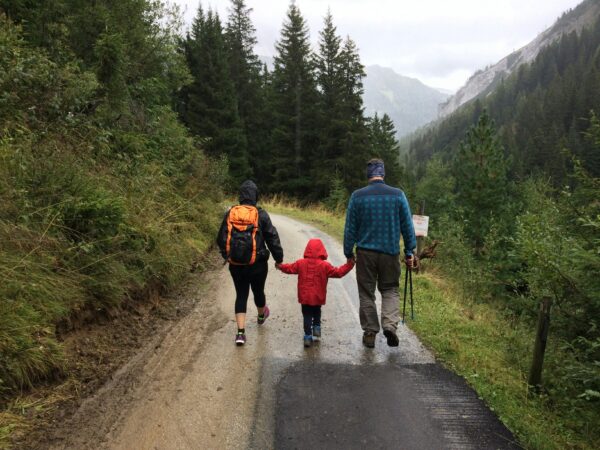
Above all, get outside and take kids with you. A hike or swim in a new spot is reward enough, as you discover new flowers, butterflies and rock formations, but you can also show how to harness tech in positive ways, even while in nature. Use your phone to listen to the Talking Forest at Ken Reid Conservation Area, identify birdsong, geocache or map your walking route.
International corporations and their algorithms make digital experiences incredibly alluring for people of all ages, masking the potential harms. We can resist, and help young people do likewise, by looking up and connecting to the world around us.