

When the Advocate appeared in 2017, we wanted to be different. Our key focus was social issues and to focus on stories that primarily connected to community wellness. And in all honesty, we weren’t entirely sure it would be of enough interest to draw an audience.
But you showed up. So did the small business community, to support us through their advertising. And so did three integral freelance writers in those very early days – Trevor Hutchinson, Nancy Payne, and Ian McKechnie. They would soon be joined by so many others. (And all of them continue to work with us.)
I didn’t know then what the Advocate would become. We only knew that our community was full of voices worth hearing, histories worth preserving, and futures worth debating.
In those early days, each issue felt like a small act of faith. There were other publications, but fortunately the Advocate quickly found its footing as a critical missing piece of the community’s desire for journalism. Maybe it’s because readers saw themselves in its pages and its online stories. Maybe it grew from simple trust, built one story, one conversation at a time.
Since 2017, Kawartha Lakes has changed – and so have we. We’ve chronicled local triumphs and local tensions, celebrated the people who make this place vibrant, and confronted the challenges that shape rural life here. We’ve expanded our digital presence, launched new columns, deepened our reporting, and embraced the evolving ways our community reads, shares, and engages with journalism.
Yet the heart of the Advocate has never shifted. It remains rooted in the belief that local journalism matters. We continue to believe that good journalism strengthens communities, sharpens public understanding, and reminds us that the stories closest to home are often the ones that most define us.
Reaching our 100th issue is not a finish line. It’s a moment to pause, to look back at where we began, and to recognize the readers, contributors, and partners who carried us here. It’s also a moment to look forward — dare we say to the next hundred issues? There are so many conversations still waiting to be had.
Here then, is a single story snapshot, one from every single magazine we have published in the past 100 issues. I hope you enjoy this trip down memory lane as much as we did in compiling it.
2018
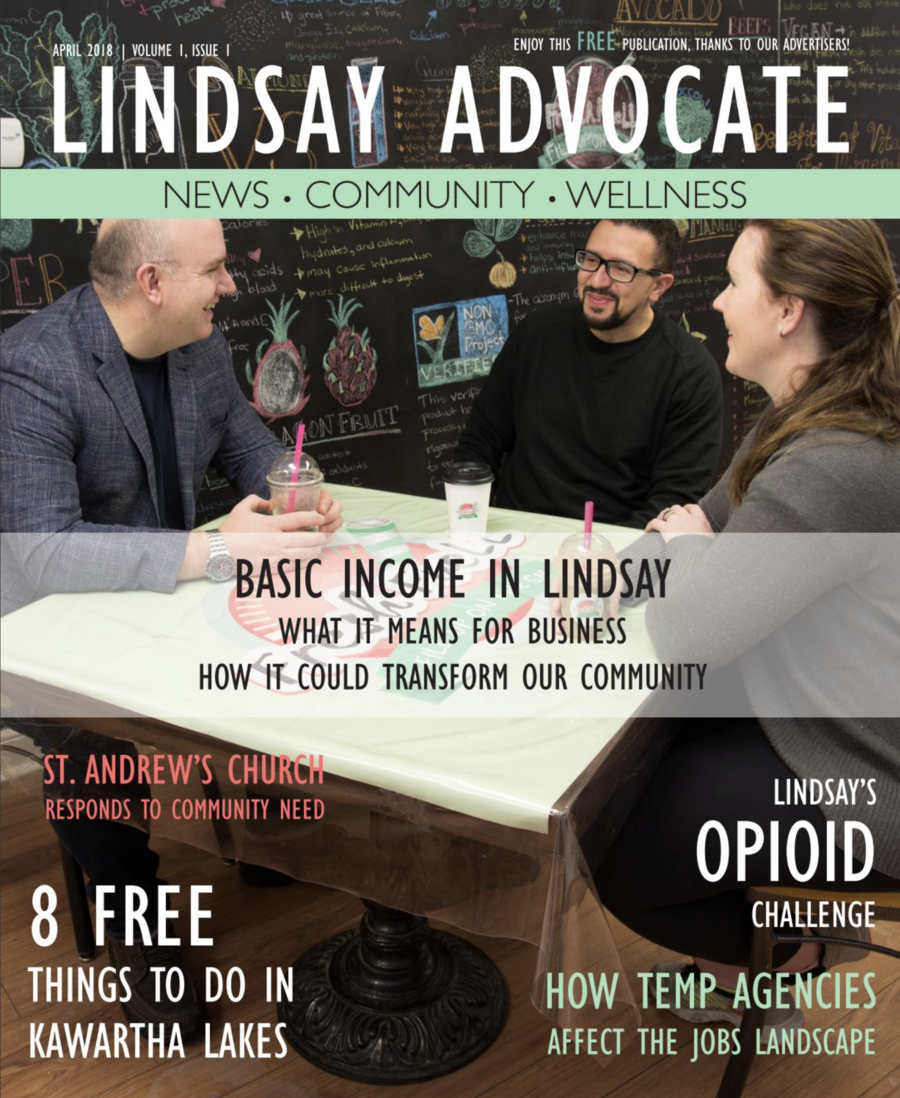
01 - Basic Income
In our first edition, Roderick Benns profiled the Ontario Basic Income Pilot’s launch in Lindsay. The program could have led to an absolute transformation of Ontario’s social policy – a paradigm shift that could have dramatically reduced poverty. However, the pilot was cut short by the Ontario Conservatives under then-new Premier Doug Ford, instead of being allowed to operate for three years in three Ontario communities to gather data. Local community leaders like Mike Perry, then-Kawartha Lakes Police Chief John Hagarty, and Dr. Bert Lauwers all supported the program for its potential to improve health, reduce substance abuse, and foster hope. Basic income would have given individuals regular, unconditional payments to meet basic needs, regardless of employment. Unlike social assistance, the program would encourage able recipients to work by allowing them to keep more of what they earned.

02 - Housing
Roderick Benns looked at the deepening affordable housing crisis in the second issue, a topic of interest that has not diminished with time. With few new units built for renters and a steadily growing population, renters faced long waiting lists for accommodation. With only a small share of households renting and just a handful of listings available at any given time, competition is fierce and turnover is low. The result is a market where renters often spend a disproportionate share of their income on shelter.

03 - Food insecurity
Food insecurity in Kawartha Lakes was a major issue in 2018 as our third issue hit the stands – and it’s worse today, both here and across the country. Contributing Editor Trevor Hutchinson painted a bleak community picture, with needs clearly driven by income constraints. With the root issue being a lack of money for hungry local citizens, advocates stress that charity-based models, while generous, lack dignity and systemic impact. Kawartha Lakes Food Source has long championed a basic income kind of model to make a real impact, or to at least make other benefits more generous. In 2017, KLFS fed 5,500 people. Recent data from last month’s feature on food insecurity by Mike Puffer shows the number of local residents served by member food banks of Kawartha Lakes Food Source to be 21,819.
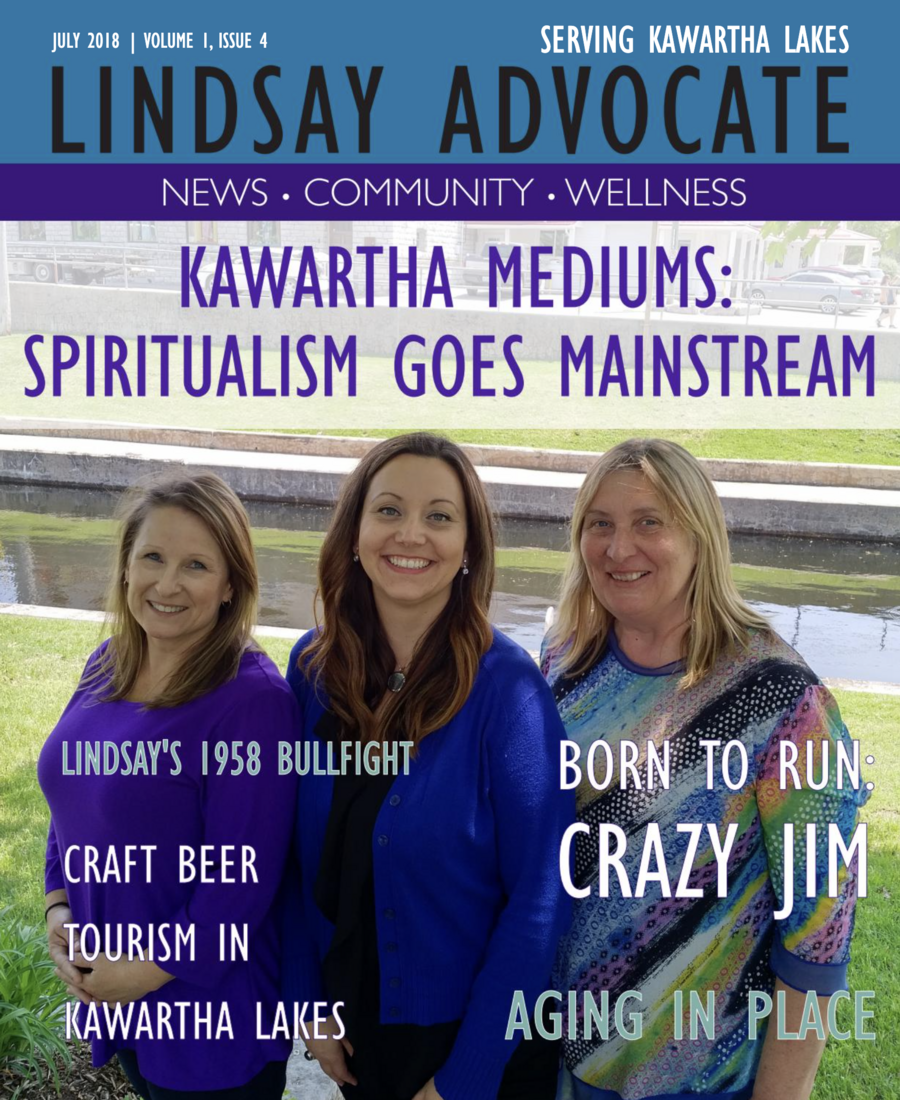
04 - Failure of Corporate Canada
“The Failure of Corporate Canada” argues that large Canadian corporations have steadily withdrawn from their responsibility to support communities, leaving towns and cities like Lindsay to cope with inequality, precarious work, and fraying public services largely on their own. Roderick Benns contrasts record corporate profits and generous executive compensation with plant closures, low-wage service jobs, and rising inequality, suggesting that Corporate Canada has prioritized shareholder returns over any meaningful social contract. He calls for a rebalancing in which businesses are expected to contribute tangibly to local wellbeing — through fair wages, community investment, and long-term commitments — instead of relying on underfunded governments and charities to pick up the pieces.
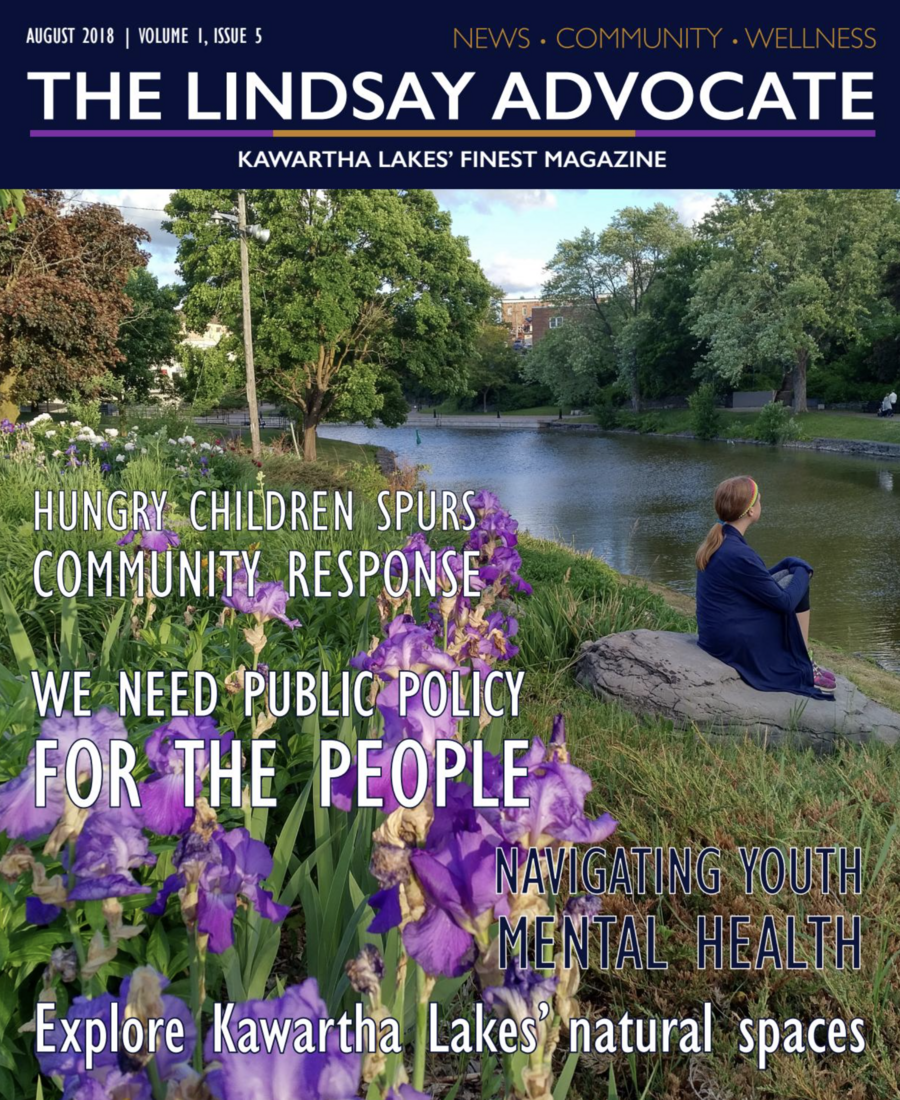
05 - Bullfighting
Not every Advocate story is about social policy. Trevor Hutchinson’s feature in our fourth issue recounted how Lindsay improbably hosted what was billed as Canada’s first-ever bullfight in 1958, a flamboyant tourism stunt dreamed up to put the town on the map. He described the sheer chutzpah of local organizers who imported a Mexican bullfighter, rejigged the Lindsay Exhibition grounds, and staged a highly controversial spectacle that drew big crowds, national media attention, and plenty of critics.

06 - Hospital merger
Trevor Hutchinson warned that a proposed merger between Ross Memorial Hospital (RMH) in Lindsay and Peterborough Regional Health Centre (PRHC) would be a big mistake for the smaller RMH, risking service cuts, higher costs, and reduced local access to care. In our sixth issue, he cited research from the Ontario Health Coalition showing mergers rarely save money and often lead to lost surgeries, acute care, and obstetrics at community hospitals like RMH, forcing patients to travel to Peterborough. Despite Local Health Integration Network (LHIN) mandates and hospital spin about recruitment and a “bigger voice,” Hutchinson argued the process ignored evidence and community input, urging residents to fight back. Community rallies were held to fight the integration after the Advocate story broke. In a Nov. 16 follow-up story by Roderick Benns, the LHIN accepted a Ross Memorial and Peterborough Regional Health Centre decision to not proceed with amalgamating the two hospital sites.
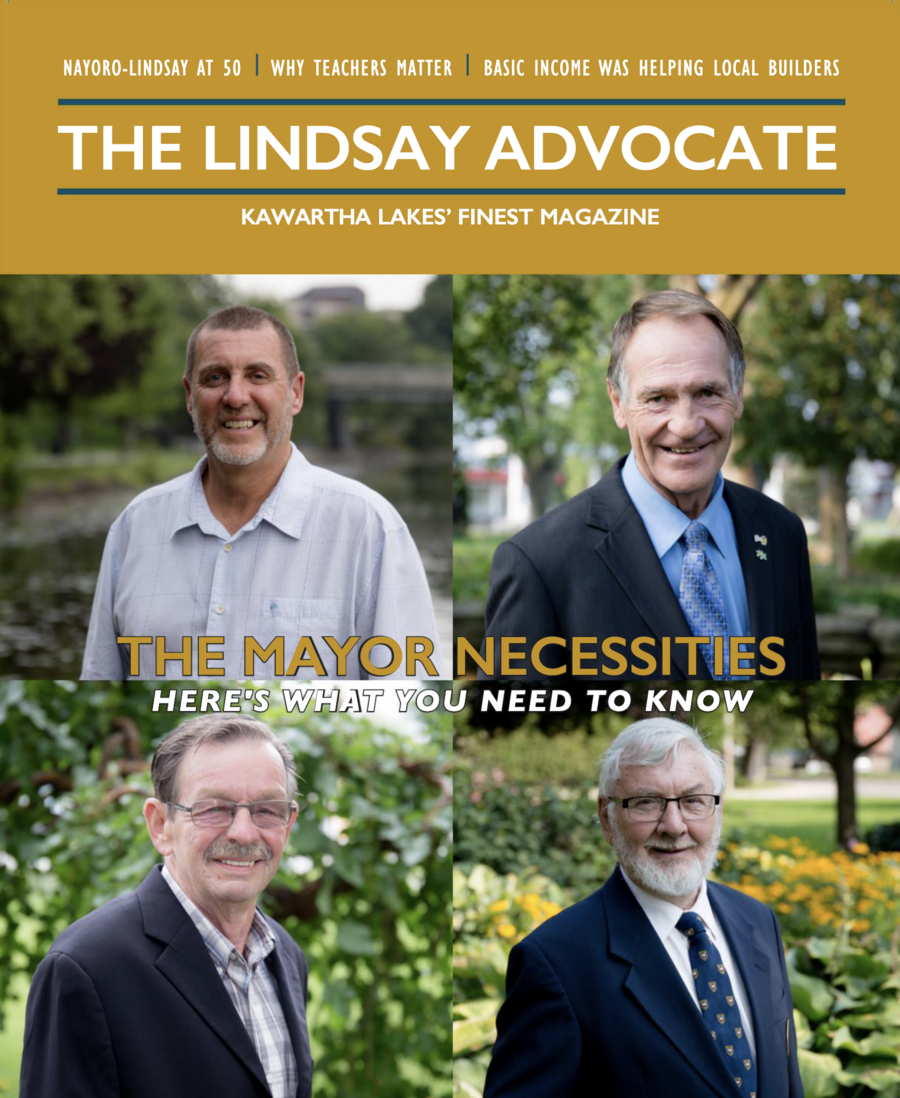
07 - Municipal election
The 7th issue of The Lindsay Advocate spotlighted “Decision 2018” on the cover, profiling four mayoral candidates (Andy Letham, Gord James, Brian Junkin, Peter Weygang) ahead of the October 22 vote amid council reduction from 16 to eight wards. In the post-election story “Letham wins: City votes to stay the course,” Andy Letham secured re-election with 45 per cent of the vote, defeating next closest rival Gord James (39 per cent). The Advocate framed it as voters opting for continuity with Letham’s business-growth focus, despite a nasty campaign involving anonymous reports, Ontario Proud ads, and James’ post-election election process complaints.

08 - Supply management
This feature championed Canada’s supply management system for dairy (and poultry/eggs), introduced in the 1960s to end overproduction gluts that left farmers like young Jim Callaghan unable to sell cream to Lindsay’s Silverwood’s Dairy. By matching production to domestic demand via quotas, it delivers stable, subsidy-free income—unlike U.S. farmers facing market crashes, $17B subsidies, rBST hormones (banned in Canada), undocumented labour, and milk dumping. This allows Kawartha Lakes operations like Maryland Farms (Callaghan) and Thursthill Farms (Jeff Thurston) to invest in robotics and family sustainability.

09 - Need for tradespeople
Writer Geoff Coleman profiled Madeline Carey, a then-25-year-old carpenter and owner of Mad’s Custom Carpentry in Lindsay, who was riding a wave of demand for skilled trades amid housing shortages and renovation booms in Kawartha Lakes. Starting as a high school co-op student at Fleming College, she built a thriving business through custom decks, sheds, and renovations, highlighting a critical carpenter shortage. Carey credited mentorship from journeyman carpenter Paul Beukeboom and called for more women apprentices in trades, urging youth to skip university debt for stable, hands-on careers. As the region’s construction pipeline heats up with new subdivisions and infrastructure eight years later, the demand for tradespeople has only risen.
2019
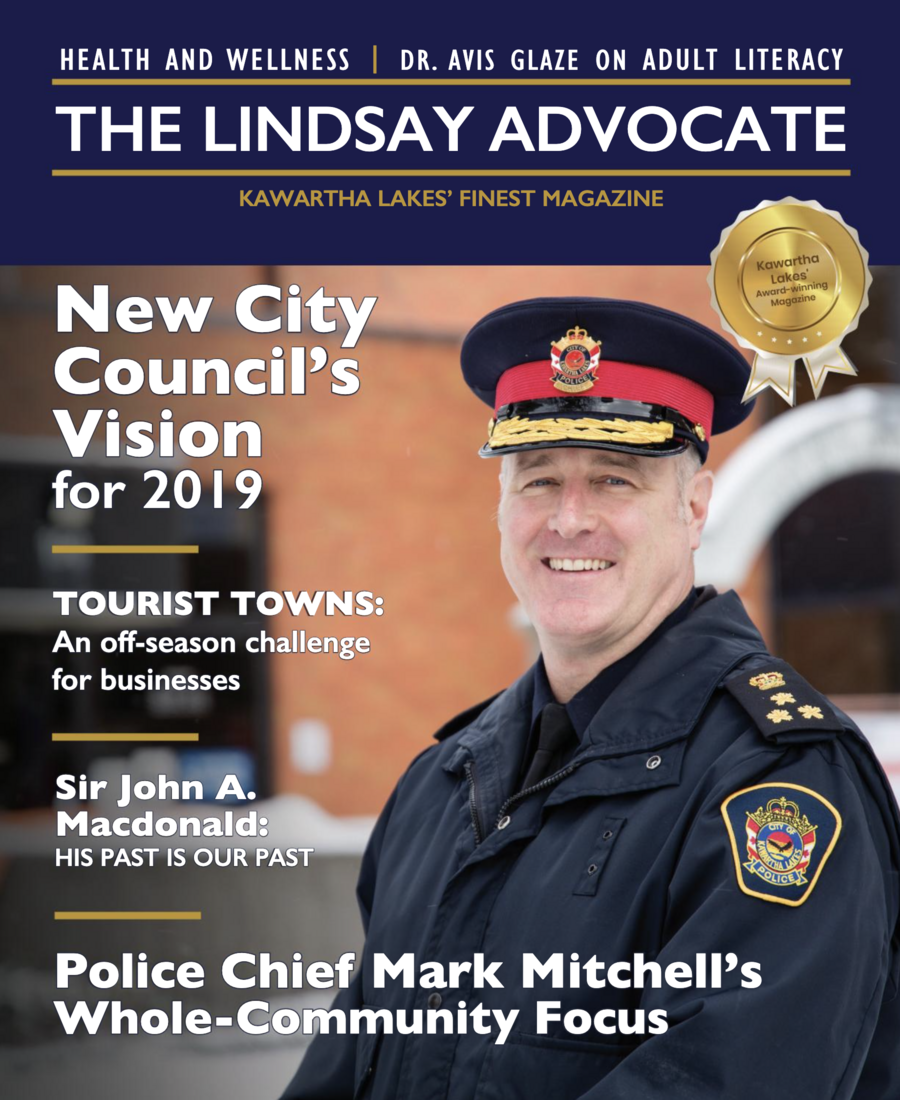
10 -New Police Chief chosen for Kawartha Lakes Police Service
A new year also saw a new police chief for Kawartha Lakes, with Chief Mark Mitchell profiled in The Lindsay Advocate. The story highlighted his evolution from a chance police applicant to a progressive, community-focused leader who saw social partnerships — not enforcement alone — as the key to effective policing. The article emphasized his belief that poverty, mental health, housing, and addictions are deeply intertwined with police calls, and that collaborative, early-intervention models are essential for real change. After Mitchell’s retirement, Chief Kirk Robertson took over.

11 - Seniors in crisis in Kawartha Lakes
This story by Roderick Benns reported that a growing number of cognitively impaired seniors in Kawartha Lakes were living in unsafe, unsupported conditions, prompting a coalition of frontline agencies to call on the mayor and MPP Laurie Scott for funding and coordinated services to fill major gaps in care. With rising police and hospital calls, and no local program (at the time) to proactively support vulnerable older adults, the group urged a strategy to prevent seniors from falling through the cracks. In the following year, an early community paramedicine trial began locally and in 2021 a full Community Paramedicine for Long- Term Care program launched with major provincial funding to play a big role in supporting local seniors.

12 - Unpaid work
Nancy Payne reflects on how society undervalues unpaid labour, drawing on memories of her mother’s relentless work on their family farm to argue that work done inside the home — and volunteer work that sustains communities — is every bit as essential as paid employment. She highlights how generations of women have built the social fabric of Kawartha Lakes through caregiving, community organizing, and grassroots initiatives, all without compensation, yet with profound impact. Payne called for greater recognition of this invisible labour, noting that homes, families, and communities function only because of the countless unpaid tasks people perform every day.

13 - Pharmacare
Canada’s fragmented drug-coverage system was the topic Trevor Hutchinson tackled in this Pharmacare-focused feature. It is a system that leaves millions — including thousands in Kawartha Lakes — unable to afford essential medications, leading to preventable illness and even death, and driving up overall healthcare costs. The feature shone a spotlight on how high drug prices, inconsistent provincial plans, and reliance on private insurance create inequity and inefficiency, while research and decades of commissions consistently show that a universal, single-payer Pharmacare program would save billions and improve health outcomes. Since then, a first phase of a national plan is underway, with coverage for diabetes medications and contraceptives.
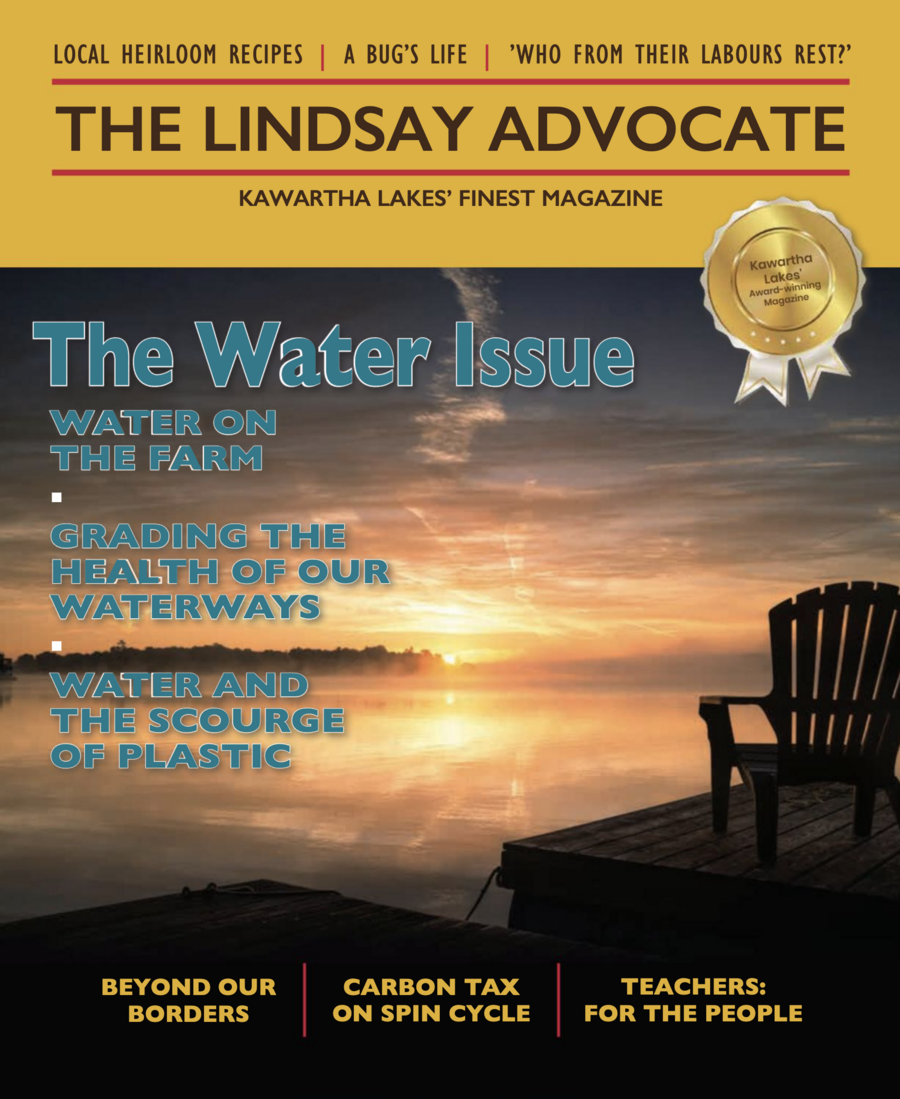
14 - Health of our waterways
Jamie Morris tackled a feature story on the health of our local waterways, checking in with experts from Kawartha Conservation and Fleming College. These interviewees said most lakes in Kawartha Lakes earn a C for overall health, with water quality and forest cover varying widely across the region. Human activity — especially shoreline alteration, nutrient runoff, invasive species, and climate change — remains the biggest threat. Still, coordinated efforts are underway, with watershed report cards, lake management plans, citizen-science monitoring, and restoration projects.
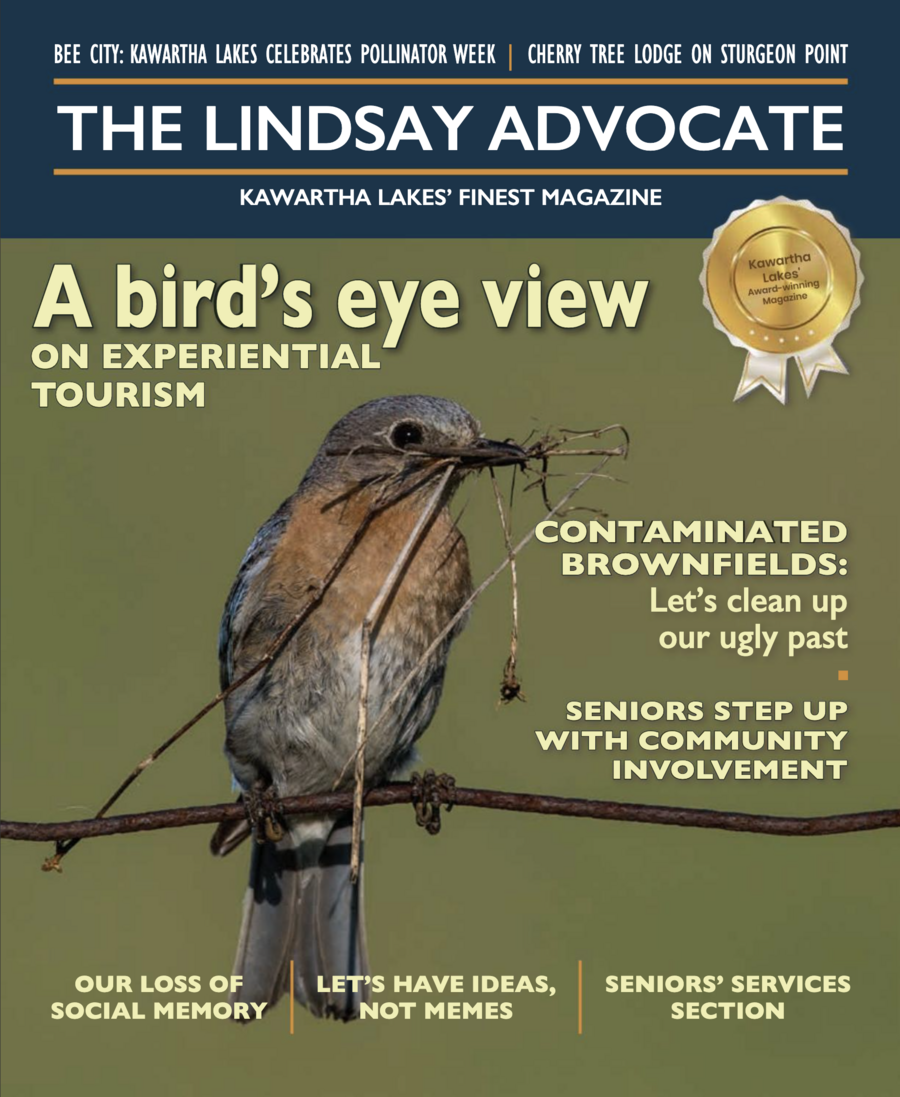
15 - Contaminated brownfields
Kawartha Lakes is dotted with former industrial sites, from mills, factories, and gas stations, where contaminated soil has stalled redevelopment for decades. Cleaning them up is costly and complex, often leaving landowners and municipalities in a stalemate. Local experts argue that stronger incentives, clearer regulations, and dedicated funding are needed to turn these properties into housing, parks, or commercial space. With provincial programs underused and remediation left largely to private owners, the feature makes the case that addressing brownfields is essential to both environmental health and community revitalization.
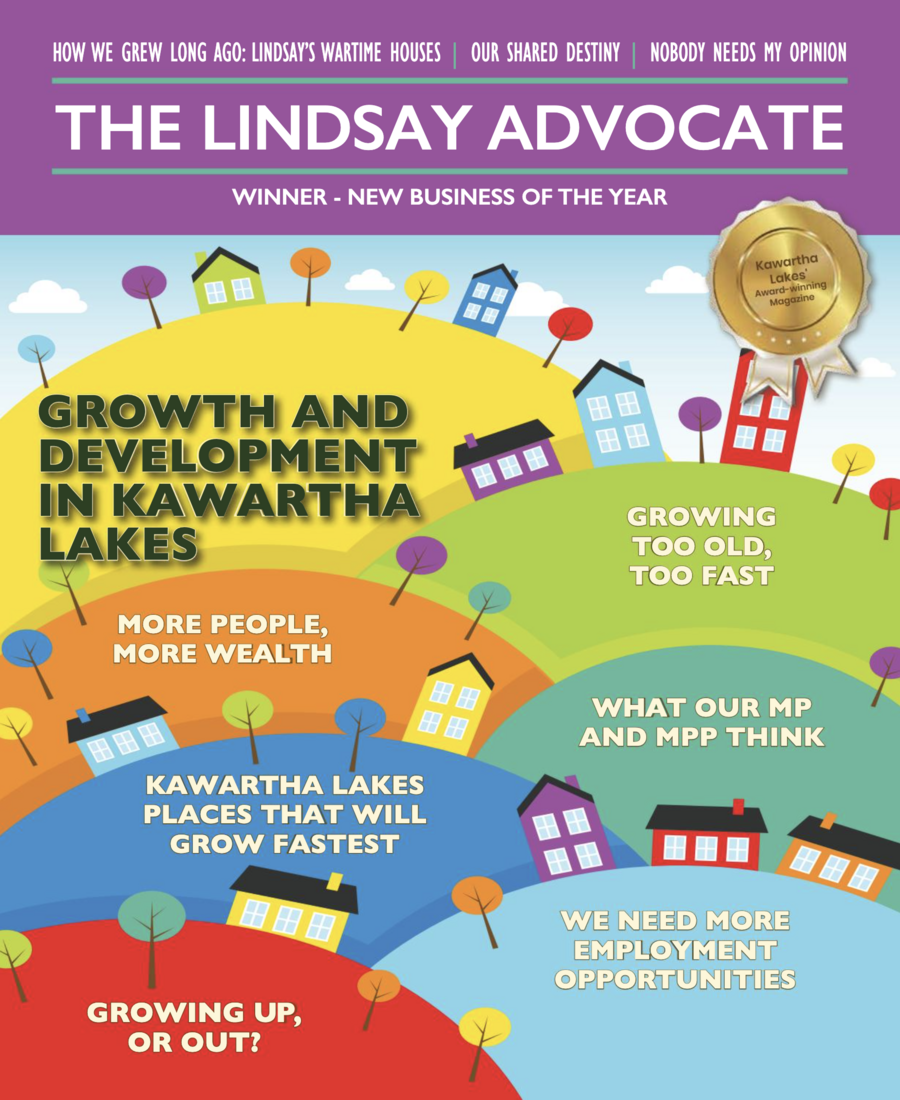
16 - Population growth
Kawartha Lakes is poised for significant population growth, driven by affordability, proximity to the GTA, and provincial planning targets. In a significant feature by Trevor Hutchinson that has kicked off years of discussion about local growth by Kawartha Lakes residents, city officials say growth is inevitable — and necessary — to sustain infrastructure, stabilize taxes, and attract jobs. The challenge is managing it well. This includes balancing intensification with greenfield development, to protecting farmland and waterways, and preparing for an aging population while still drawing young families.
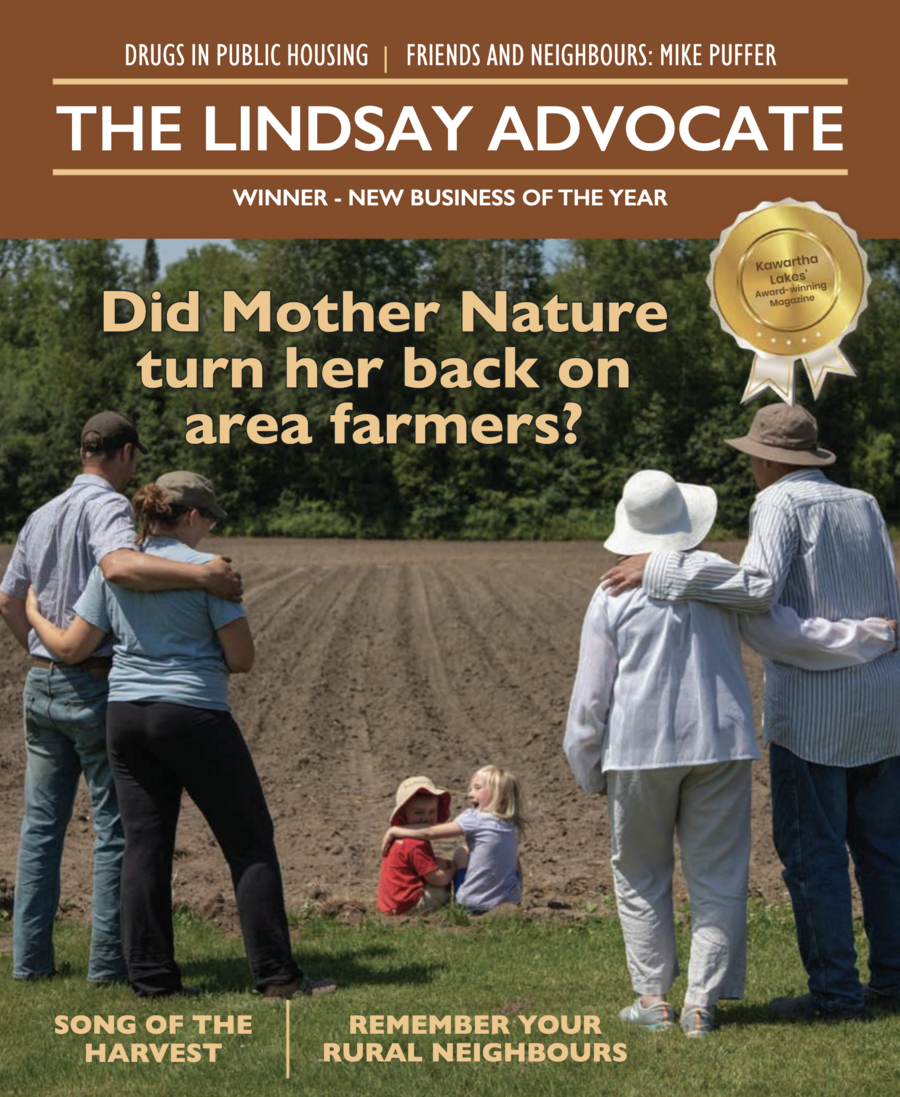
17 - Public housing and drugs
At the time of this feature, residents in Kawartha Lakes public housing were increasingly dealing with discarded needles, drug use in shared spaces, and safety concerns that fell outside the mandate of housing staff. Tenants described feeling abandoned as overdoses, vandalism, and intimidation became more common. The city and then-HKPR Health Unit acknowledged the problem but pointed to limited resources, privacy rules, and the need for broader social-service support. The article highlighted a growing tension: vulnerable tenants need stable housing, but others in the same buildings need protection from unsafe behaviour.

18 - Underfunding education
As students returned to class, educators across Kawartha Lakes warned that provincial cuts were eroding the quality of public education. Larger class sizes, fewer supports, and reduced funding for students with special needs are leaving teachers stretched and families worried. School boards face tough choices — trimming programs, delaying repairs, and relying more on fundraising — while trying to maintain stability for students. The article underscored a growing concern: the system is being asked to do more with less, and the long-term impact on learning and equity is becoming harder to ignore.

19 - Central East Correctional Centre staff issues
Corrections officers at the Central East Correctional Centre described a workplace defined by chronic understaffing, burnout, and safety risks. Guards reported being assaulted, denied adequate backup, and pressured to work excessive overtime, all while feeling unsupported by management and the province. Many say the jail’s culture left them feeling powerless to enforce rules or protect themselves, contributing to high turnover and low morale. The article paints a stark picture of a system stretched thin, where both staff and inmates are affected by the strain.

20 - Loss of heritage buildings
Kawartha Lakes continues to lose historic buildings to demolition, often because owners find it easier to tear down than restore. Heritage advocates argue that once these structures disappear, so does part of the community’s identity, including its architecture, stories, and sense of place. While the city has tools like designation and heritage registers, they’re used sparingly, and provincial changes have weakened protections. The article calls for stronger political will, better incentives, and a cultural shift that sees old buildings not as obstacles but as irreplaceable assets worth preserving.

21 - Academy Theatre’s challenges
In a hard news feature by Roderick Benns as 2019 came to a close, the Academy Theatre was grappling with internal conflict, stalled decision-making, and uncertainty about its future direction. Board turnover, communication breakdowns, and questions about governance left staff, volunteers, and community partners frustrated. While the theatre remains a cherished cultural anchor, the article highlighted a growing concern that without stronger leadership, clearer vision, and renewed collaboration, the organization risked losing momentum at a time when local arts groups needed stability most. Today, the Flato Academy Theatre has a rejuvenated board of directors, new staff leadership, and plans for more original theatre programming than it has had in many years.
2020
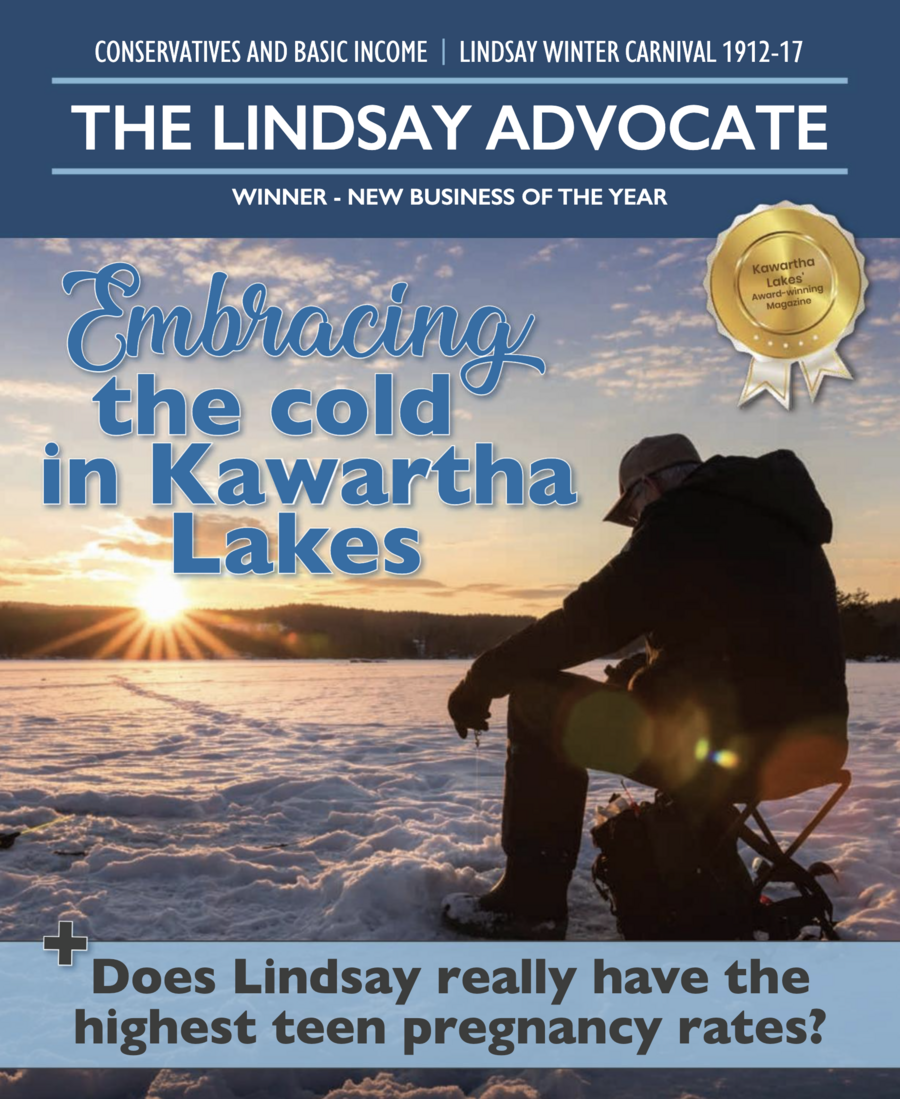
22 - Teen pregnancy rate
As 2020 began, the Advocate tackled one of the most persistent rumours in the city – that Lindsay and area had the highest teen pregnancy rates in Ontario. Trevor Hutchinson tackled this urban legend with facts, not lore. Data from the HKPR Health Unit showed local rates are close to the provincial average and have been declining for years. Experts say outdated perceptions, small-town stigma, and misinterpreted statistics fueled the myth. The article stressed the importance of evidence-based decision making.

23 - Postal banking
As Canada Post then (and now) grappled with challenging deficits, its union offered an interesting solution to help keep the post office relevant – a return to postal banking. Canada once offered postal banking but corporate pressure from private banks helped end the service in 1968. With many rural communities now lacking local branches — and millions of Canadians underserved by traditional banks — the article argues it’s time to revive the model. Postal outlets already exist in nearly every community, making them ideal for affordable financial services, especially for low-income residents. Advocates say restoring postal banking would strengthen communities, reduce reliance on payday lenders, and help keep Canada Post relevant.
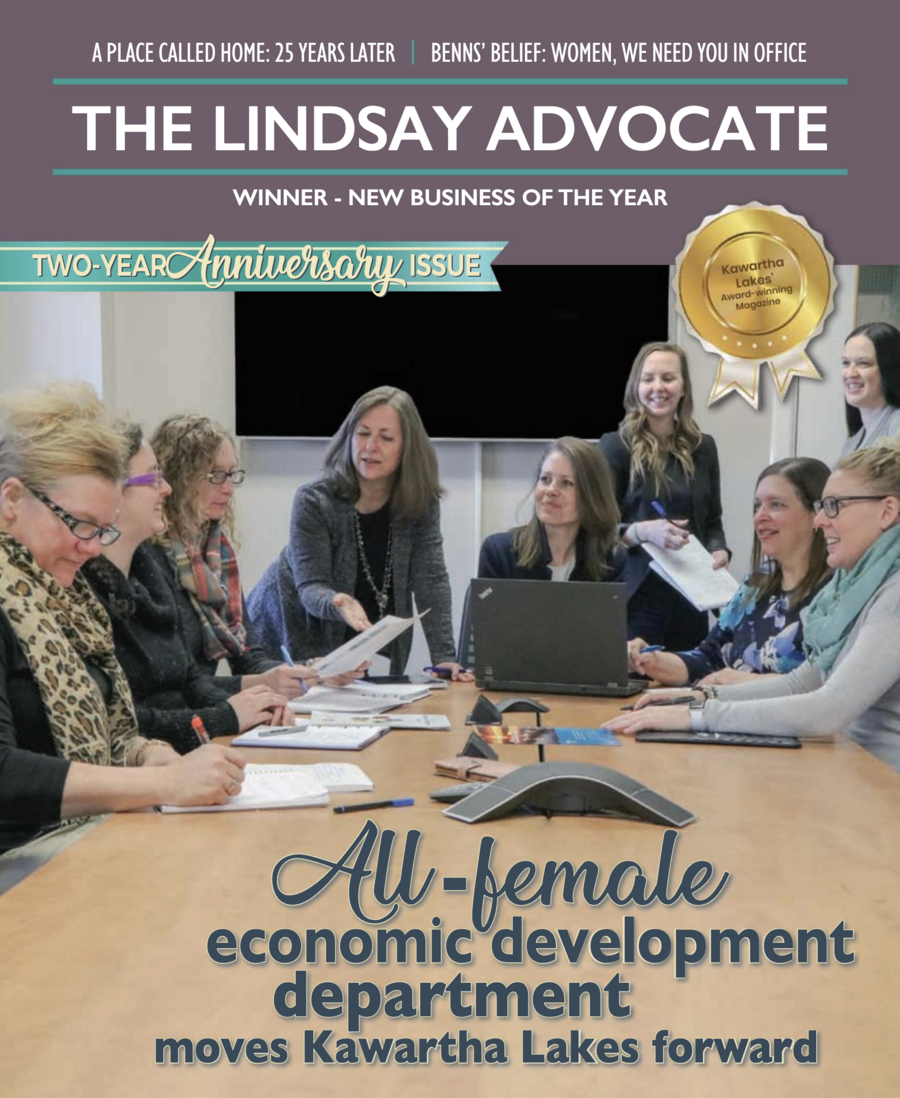
24 - Economic development
Since 2018, Kawartha Lakes’ economic development department had been staffed entirely by women, a team driving a modern, collaboration-focused approach to local growth. Led then (and now) by Rebecca Mustard, the department prioritizes supporting existing businesses, revitalizing downtowns, strengthening cultural and agricultural sectors, and fostering entrepreneurship. Their work reflects a broader shift in economic development to relationship-building and community-wide prosperity.

25 - Farming meets the climate crisis
This feature explored how farmers in Kawartha Lakes were confronting the accelerating climate crisis, balancing the pressures of food production with the need to reduce emissions and rebuild ecological resilience. It highlights the growing recognition among farmers that industrial agriculture has contributed to environmental degradation, and profiles local efforts, such as those supported by the National Farmers Union and ALUS, to restore soil health, plant trees, protect waterways, and adopt regenerative practices. Through personal stories and practical examples, the article shows how farmers were adapting their operations not only to mitigate climate impacts but also to strengthen the long-term sustainability of their land and livelihoods.
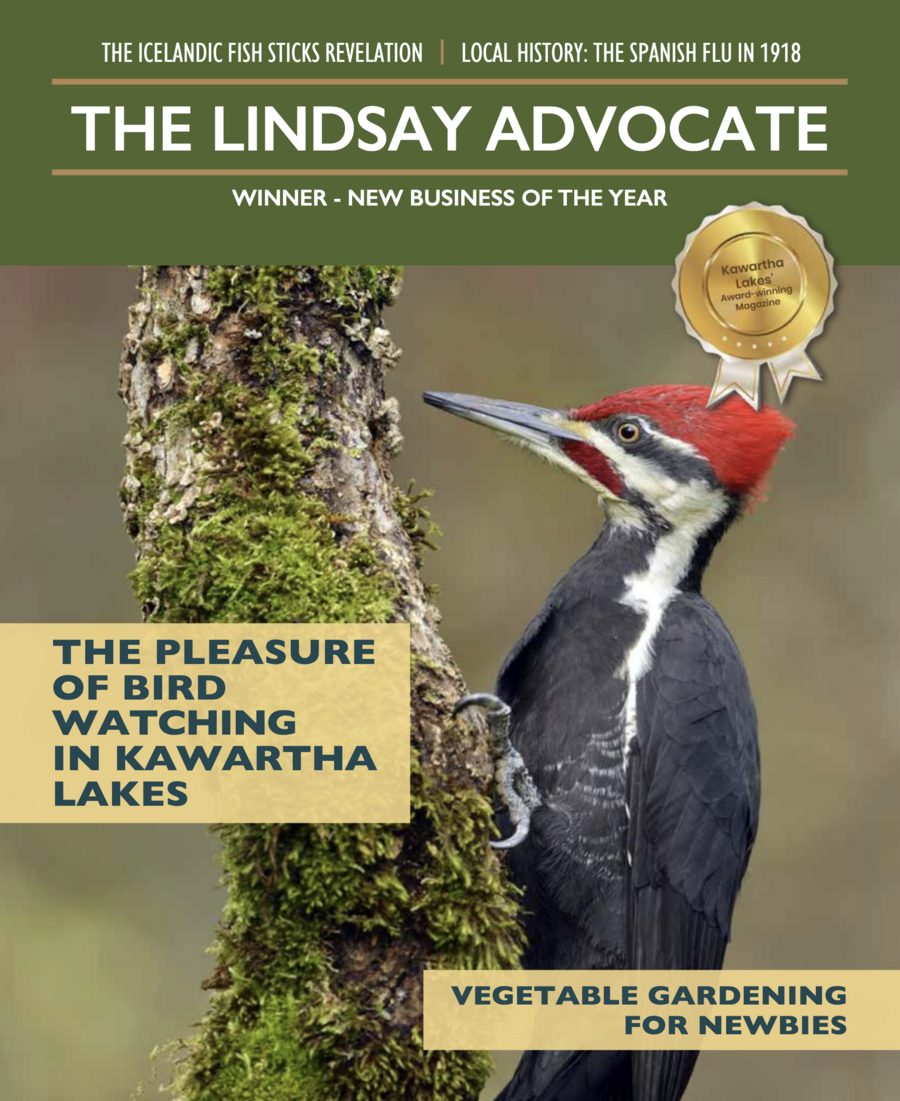
26 - Finding nature during pandemic
During the early months of the pandemic, many Kawartha Lakes residents found comfort in watching the birds outside their windows. With daily life slowed, people noticed species they’d long overlooked — cardinals, chickadees, orioles, and migrating warblers — and better noticed their feeding, nesting, and behaviours. Local naturalists say this renewed attention deepened appreciation for the region’s biodiversity and reminded people how much wildlife thrives close to home. The article celebrated a simple truth: even in difficult times, nature offers connection, curiosity, and calm.

27 - Supporting each other during the pandemic
Like everyone else, the Advocate had no idea how long the pandemic would last. While we covered the day-to-day news about COVID on our news site, the Advocate typically focused on features – but we didn’t want to ignore what we all were experiencing together. This article by Nancy Payne reflected how the pandemic dismantled our desire for simple answers, replacing clear rules with shifting guidance and a constantly changing sense of risk. Early optimism that life might “pick up again over the summer” faded as people confronted the emotional weight of uncertainty, decision-fatigue, and the loss of routine. Yet amid the exhaustion, the piece highlights the resilience and compassion that emerged.
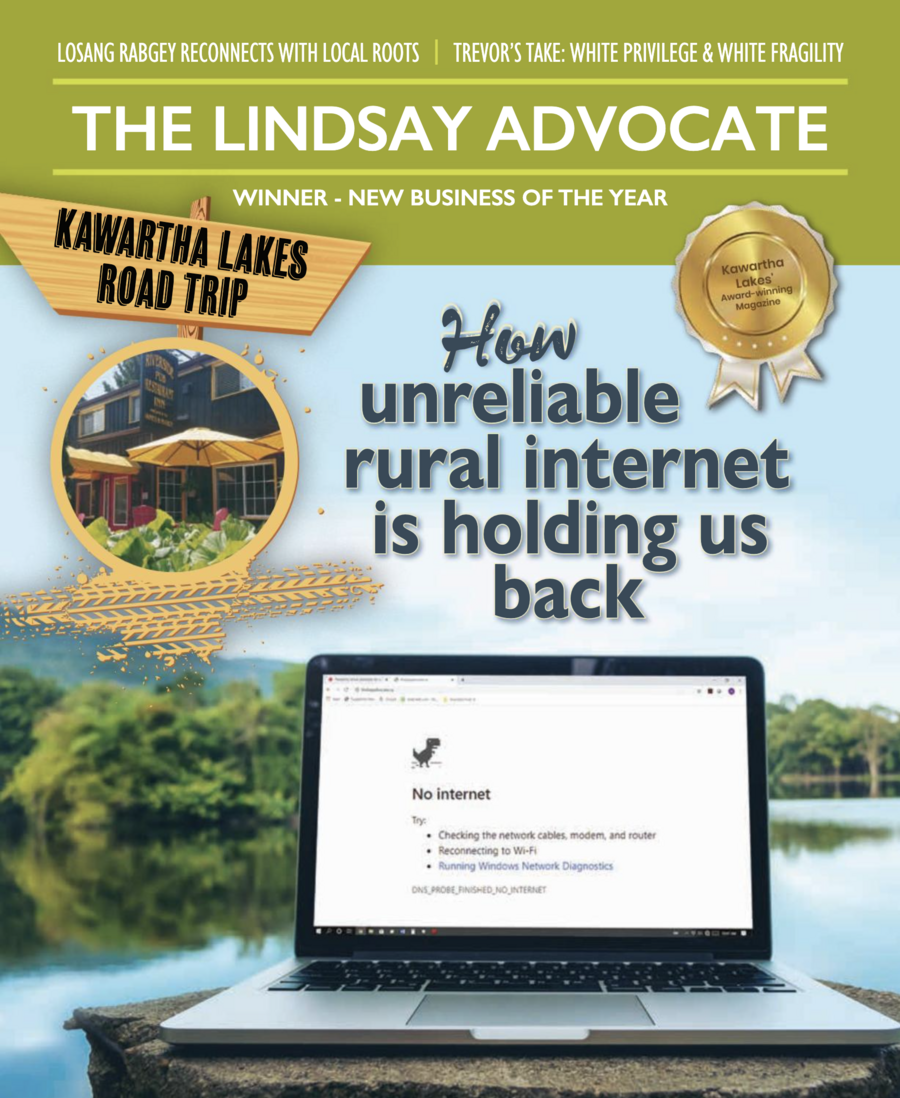
28 - Reliable internet
The long-running struggle for fast, reliable internet in rural Kawartha Lakes was tackled, where slow speeds and spotty service have held back businesses, students, and families. Local residents described the daily frustrations of buffering, dropped connections, and limited provider options, while municipal leaders argue that high-speed access is now essential infrastructure — no different from roads or electricity. The piece highlighted ongoing efforts to expand fibre and improve wireless coverage, but notes that progress is uneven and often delayed. Since then, improvements have been made, partly thanks to central Ontario lobbying through the Eastern Ontario Wardens’ Caucus.
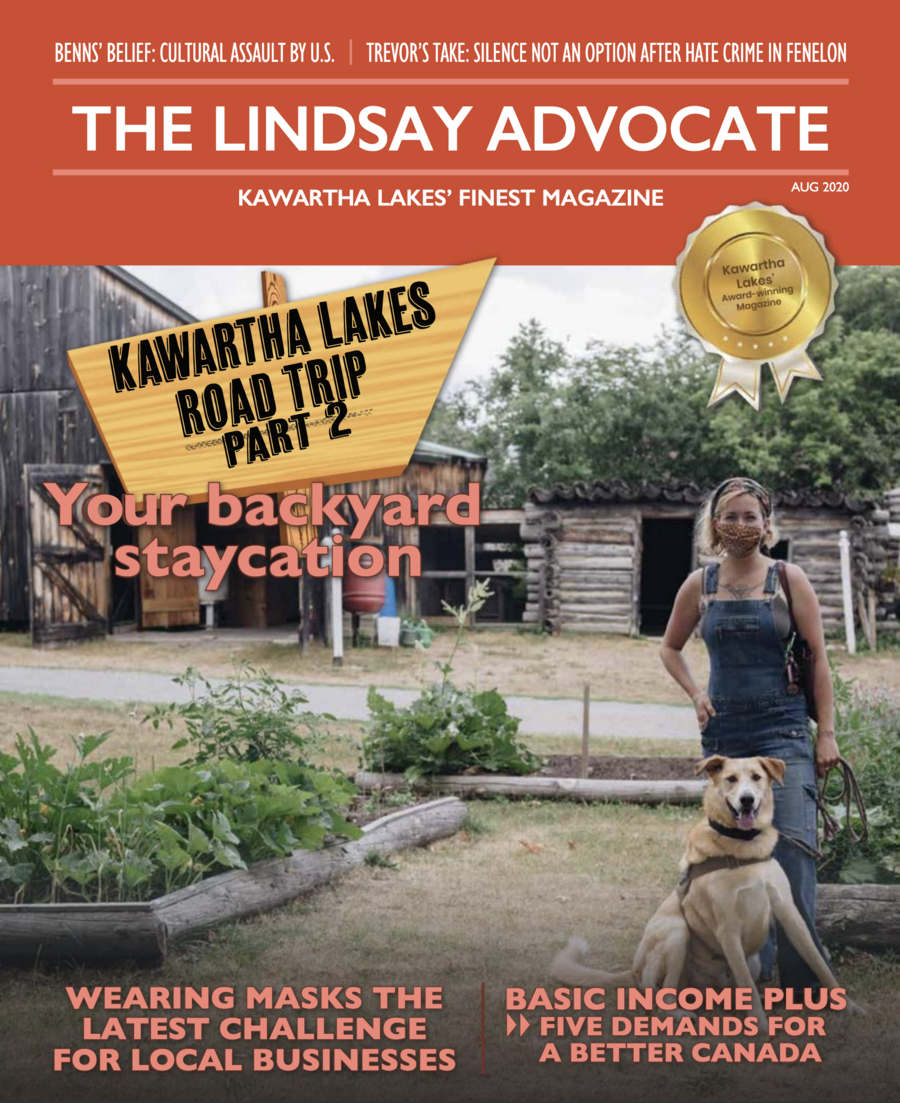
29 - Pandemic’s effect on small businesses
Small businesses across Kawartha Lakes weathered the pandemic far better than early predictions suggested. While a few shops closed, most adapted quickly, launching online stores, shifting to curbside pickup, and reworking operations to stay afloat. Local BIA and chamber leaders credited targeted federal supports, community loyalty, and the sheer tenacity of business owners for helping them survive a year of uncertainty. The piece ends on a hopeful note that the crisis had deepened appreciation for local businesses and strengthened the case for supporting them long-term.
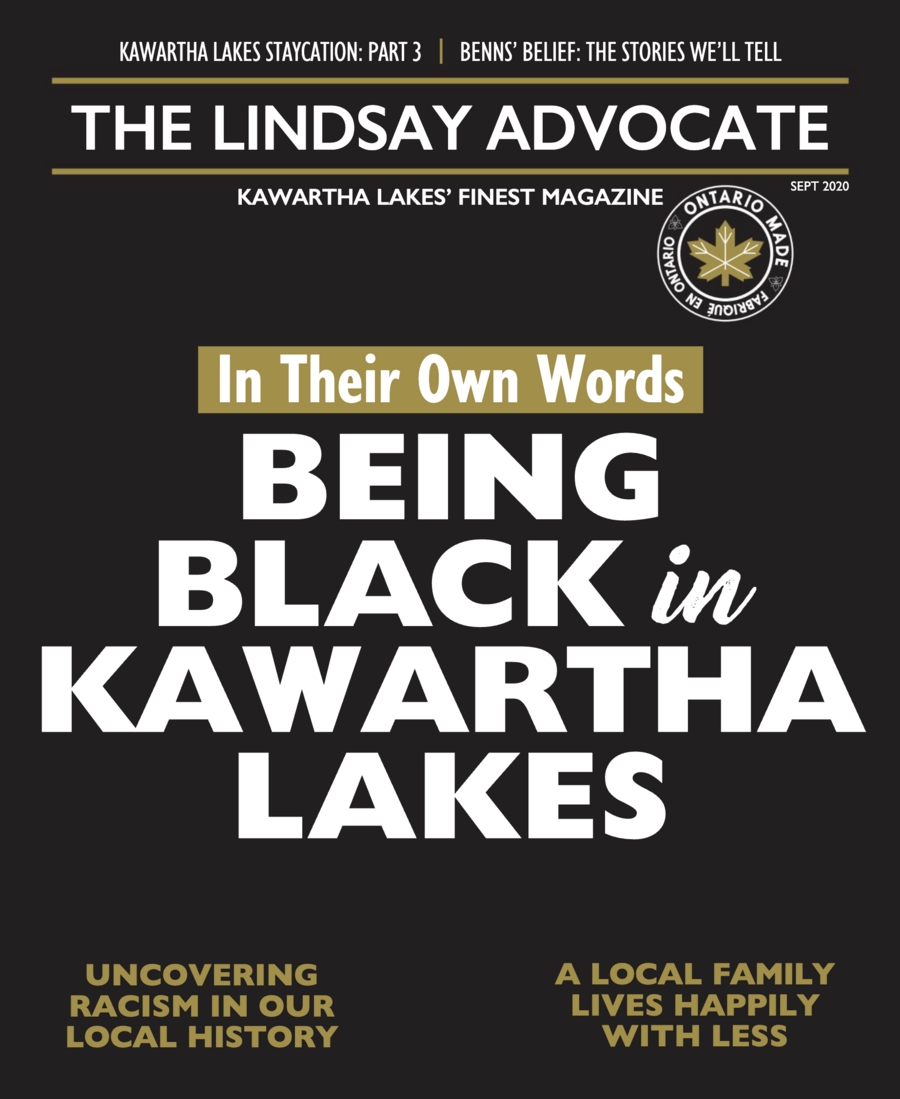
30 - Navigating identity: Local Black residents discuss experiences
This feature by Kirk Winter gathered first-person accounts from Black residents who grew up in Kawartha Lakes, revealing a spectrum of experiences ranging from overt racism and daily microaggressions to moments of genuine community warmth. Young people like Morgan and Olivia Reevie described early encounters with racist slurs, stereotyping, and feeling isolated in a predominantly white community, while older contributors reflect on both the kindness they encountered and the persistent barriers in school, dating, and the workplace. Together, their accounts offered a candid look at what it was like to navigate identity, personal safety, and belonging in a rural community just beginning to experience more visible diversity.
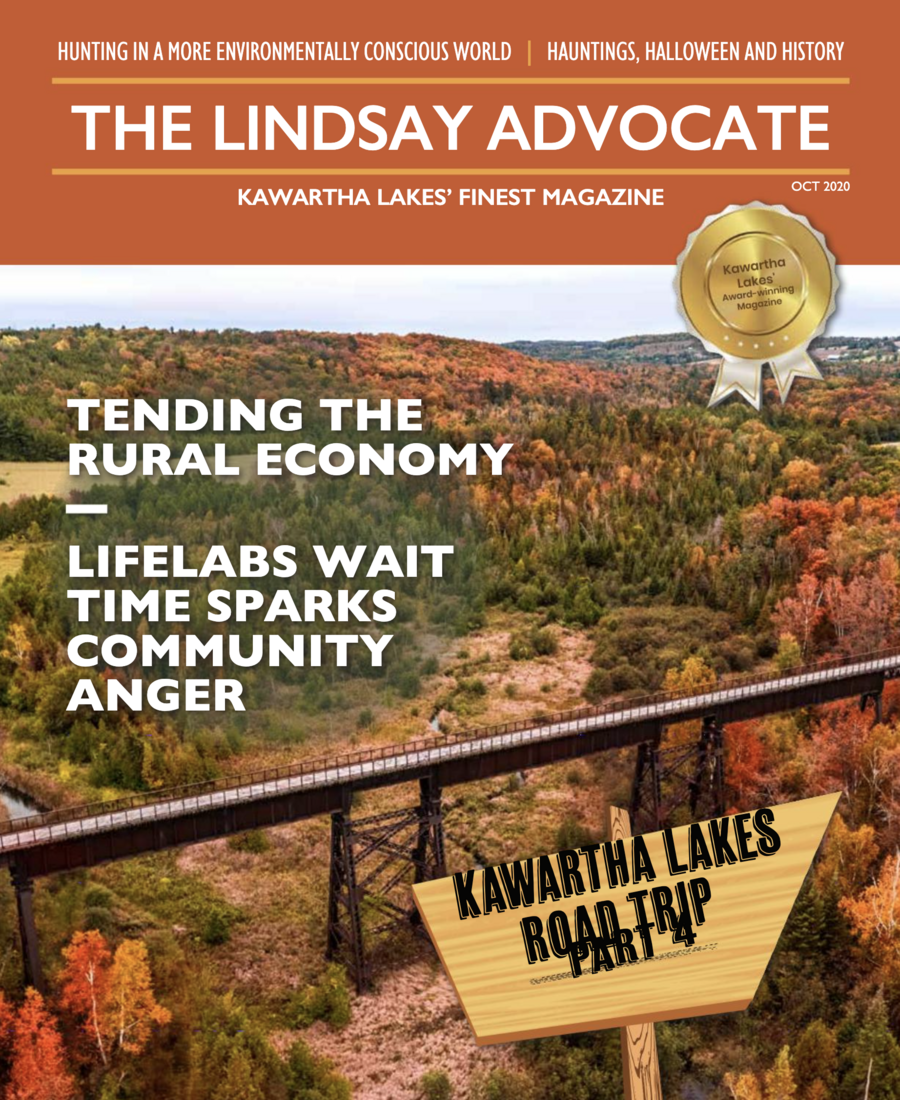
31 - Anger at LifeLabs
Community frustration boiled over in 2020 as long, uncomfortable wait times at Lindsay’s LifeLabs – the only community lab in Kawartha Lakes at the time — left residents standing outdoors for up to two hours, often without seating or shelter. Patients described unsafe conditions, poor communication, and no clear plan from the private, for-profit provider, while comparisons to faster hospital-based services elsewhere sharpened criticism. The story underscored a decade-old policy shift that moved community bloodwork out of hospitals and into private labs, leaving locals demanding accountability and better service.

32 - Living wages
A living wage is defined as the minimum income required for a worker to meet their basic needs and afford a decent standard of living. Throughout the pandemic, several small businesses in Kawartha Lakes continued paying — and in some cases raising — a living wage, with owners saying fair compensation was essential to valuing staff amid heightened stress and workload. Country Cupboard in Fenelon Falls boosted wages as business surged, while other employers held firm on above‑living‑wage rates even as revenues tightened, reflecting a broader commitment to employee well‑being and the belief that stable, fairly paid workforces are vital to long‑term community resilience.

33 - Hospice experiences during pandemic
The pandemic had intensified the already difficult experiences of dying and grieving, with local hospice workers and funeral professionals noting that restrictions on visits, gatherings, and rituals have left families feeling isolated and emotionally unmoored. As 2020 closed, Nancy Payne talked with healthcare staff in a feature story on hospice services, illustrating the heartbreak of patients spending final moments without loved ones present, while grieving families struggled to find closure during COVID.
2021
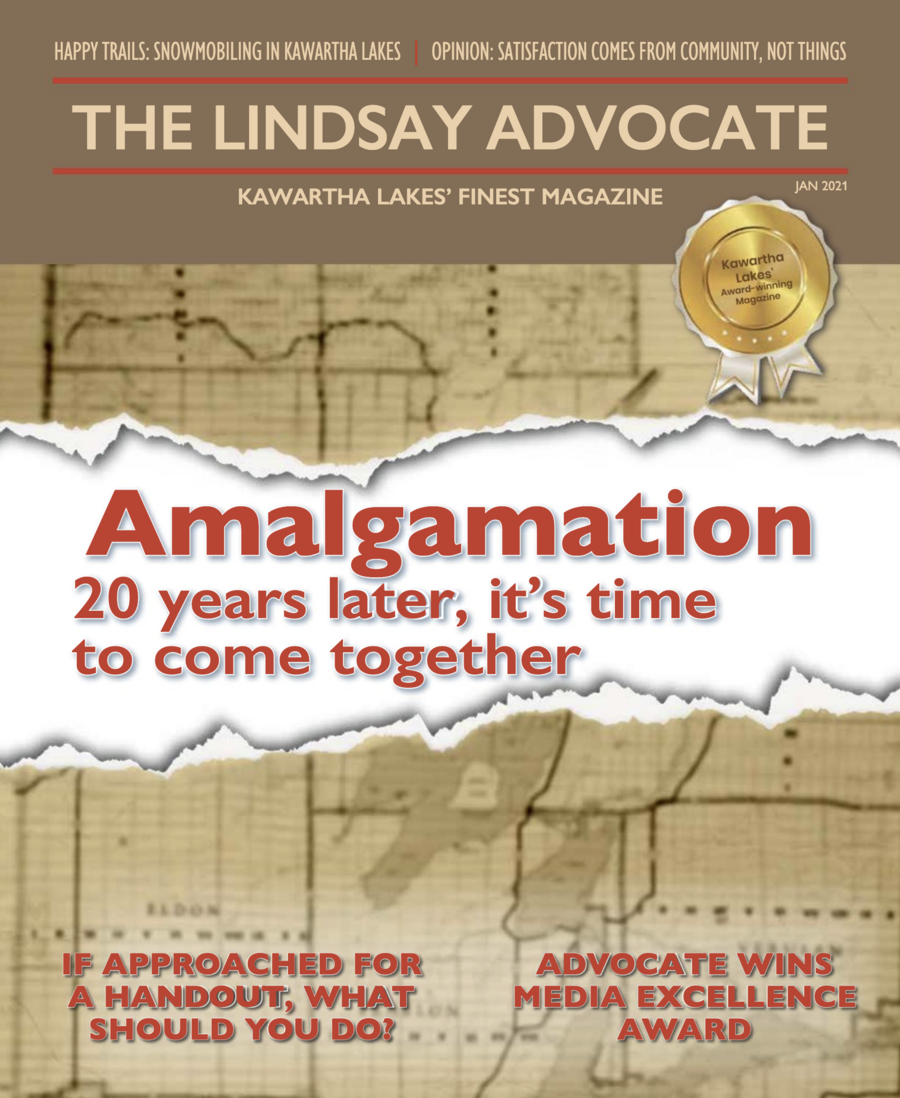
34 - Amalgamation
Two decades after the provincial decision to dissolve the former Victoria County and create the City of Kawartha Lakes, many rural residents remained frustrated. In this feature at the 20th anniversary of amalgamation, Kirk Winter interviewed local people who argued that amalgamation had increased taxes, reduced services, and eroded local identity. However, emergency services, roads, parks and recreation, and engineering became more coordinated and consistent across the municipality, with staff able to plan and deliver services on a city-wide basis rather than through 16 separate councils.

35 - Unionization equals better health
Research highlighted in this guest-written piece shows that unionized workers experience better health outcomes, with studies linking collective bargaining to higher wages, safer workplaces, and reduced stress. Experts note that unions help secure benefits like paid sick days and predictable schedules, which contribute to overall wellbeing, while local labour advocates argue that stronger worker protections translate into healthier families and communities.
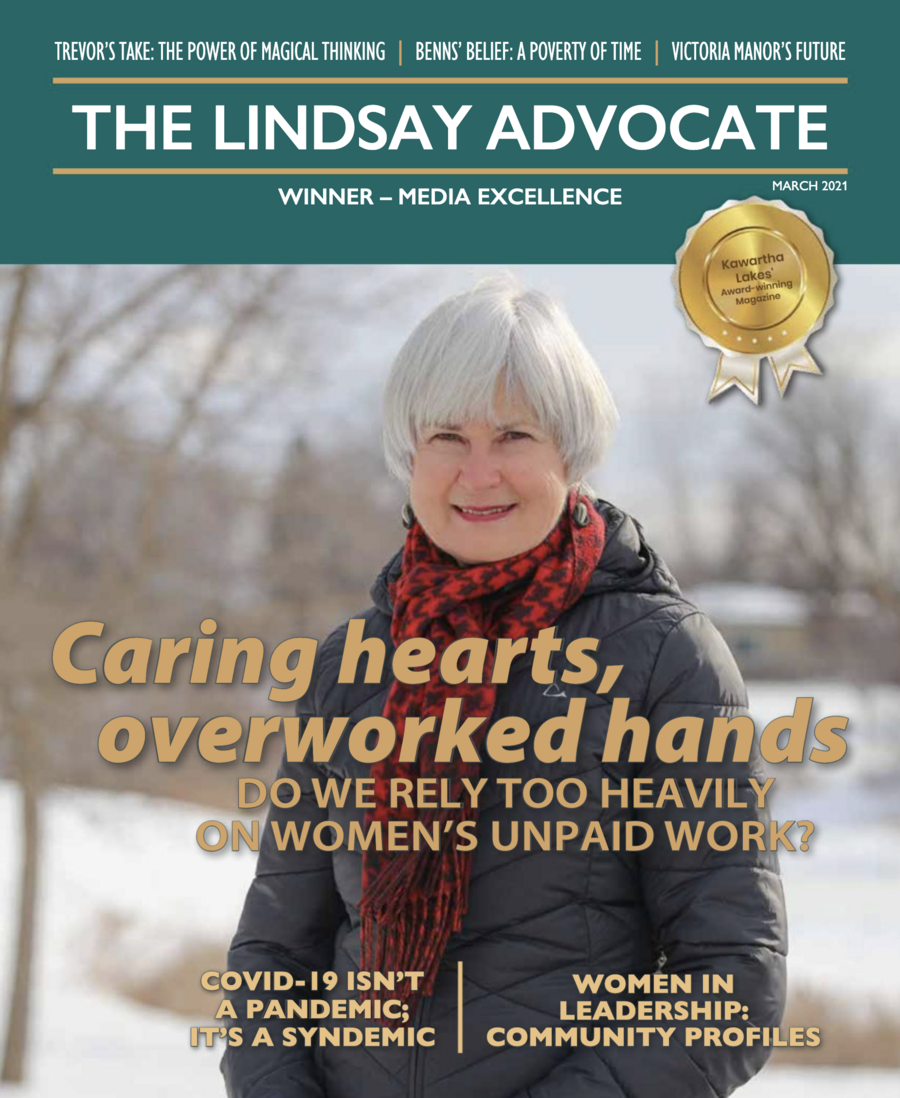
36 - Women’s unpaid labour
This article by Nancy Payne, in a revisitation of how society has long depended on women’s unpaid labour — from caregiving to community volunteering — and questioned whether this reliance is sustainable as burnout rises and volunteer numbers decline. Local advocates noted that women disproportionately shoulder invisible work that keeps organizations and families functioning, and warn that without structural support and recognition, communities risk losing the very contributions they’ve taken for granted.
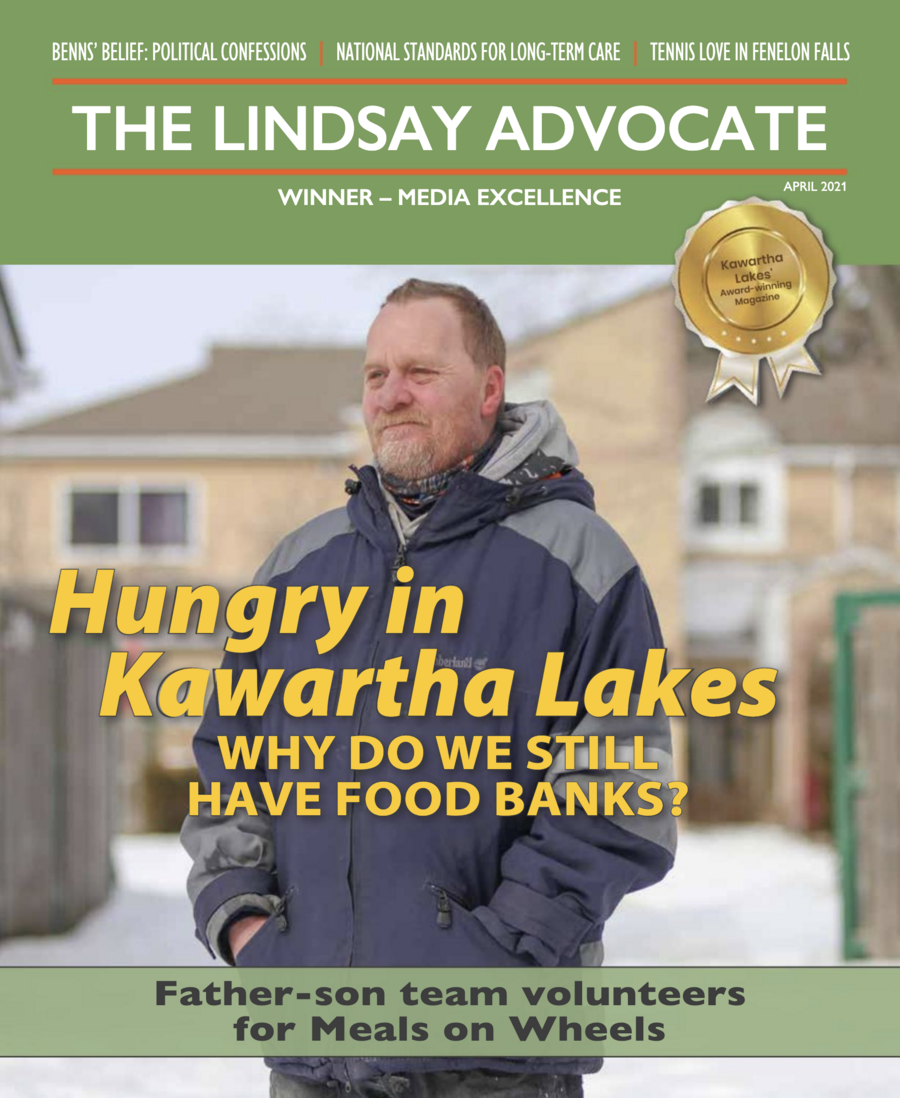
37 - Living with food insecurity
This feature followed a local resident’s lived experience with poverty, illness, and food insecurity to illustrate how deeply residents rely on local food banks. It traces the rise of food bank use in Kawartha Lakes, the systemic factors driving hunger, and the evolution of Kawartha Lakes Food Source as a community response. The story underscores that, decades after food banks were created, the root causes of hunger remain firmly in place. It is a topic the Advocate turns to regularly, as this most basic human need continues to be an intractable challenge.
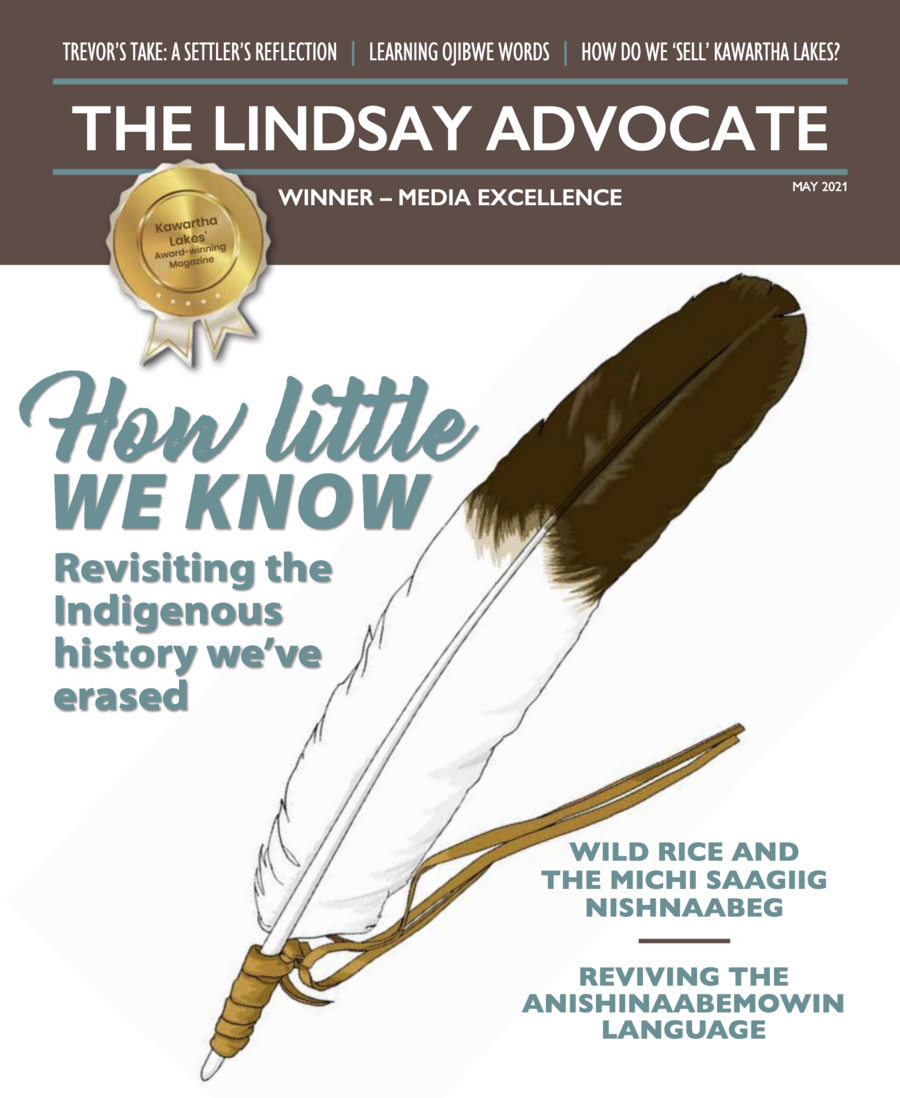
38 - Tracing the Indigenous history of Kawartha Lakes
This feature traced the deep history of the Michi Saagiig Nishnaabeg, the original Indigenous people of Kawartha Lakes, and examined how treaties, land loss, residential schools, and environmental disruption attempted to erase their presence. It highlighted the enduring knowledge, land stewardship, and cultural teachings that sustained the Michi Saagiig for thousands of years, urging settlers today to learn this history and commit to genuine relationship and shared responsibility.
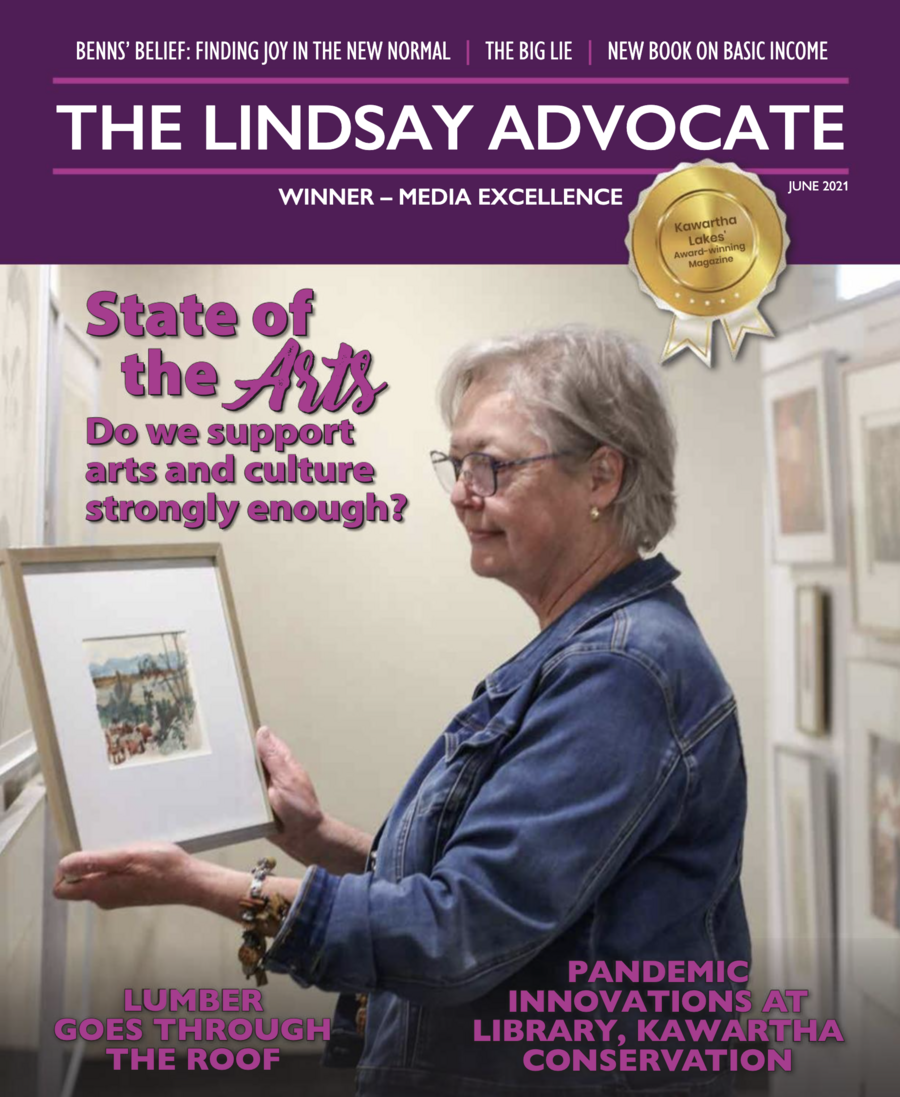
39 - Funding arts and culture
This feature examined the long-standing struggle of local arts and culture organizations to secure stable municipal support, tracing years of underfunding, volunteer-driven operations, and inconsistent city investment. It highlights recent progress — including the cultural master plan, new staffing, and growing recognition of culture’s economic and community value — while underscoring the sector’s ongoing need for sustainable operational funding and coordinated advocacy.
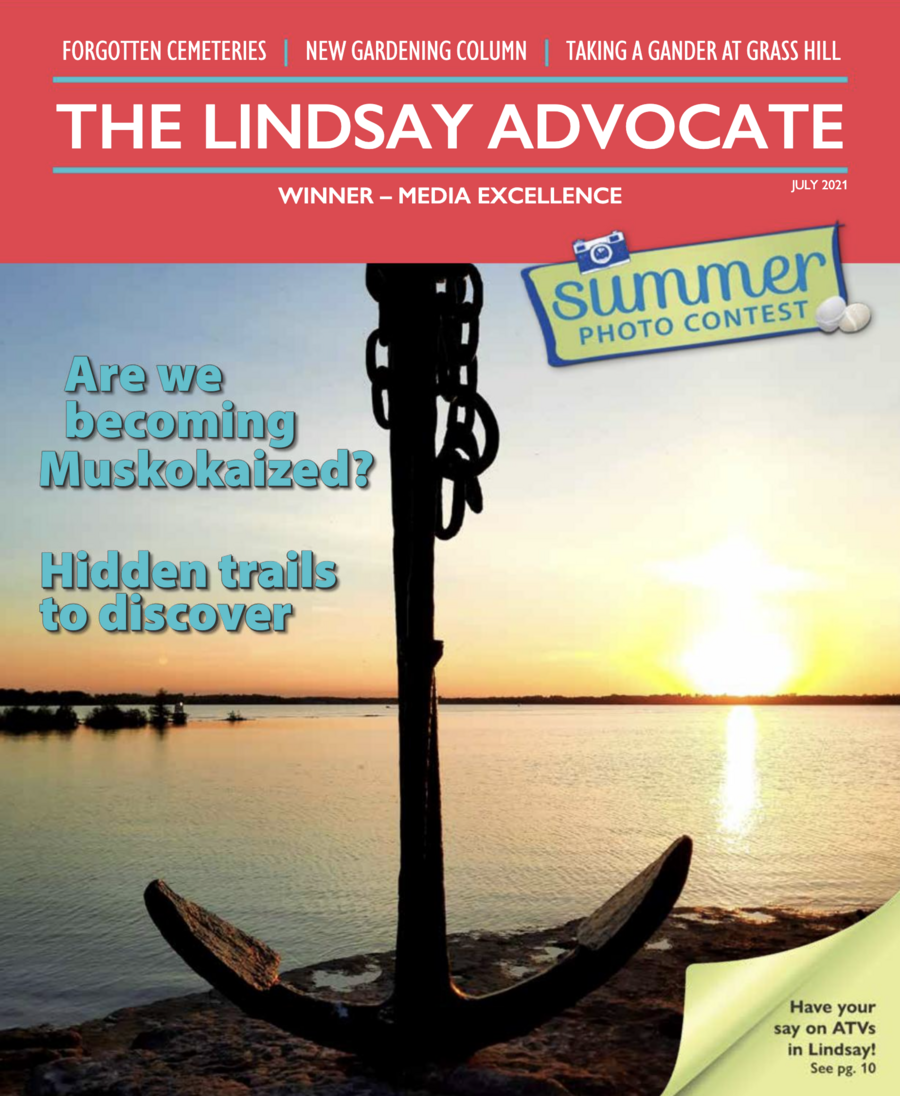
40 - Does productivity equal worth?
Guest author Leah Barrett Werner explored how society’s fixation on productivity shapes our sense of worth, often punishing those who cannot work due to illness, disability, or circumstance. Drawing on stories from Lindsay residents involved in the basic income pilot, it shows how social policies reinforce stigma and material hardship and argues for valuing people beyond their economic output.
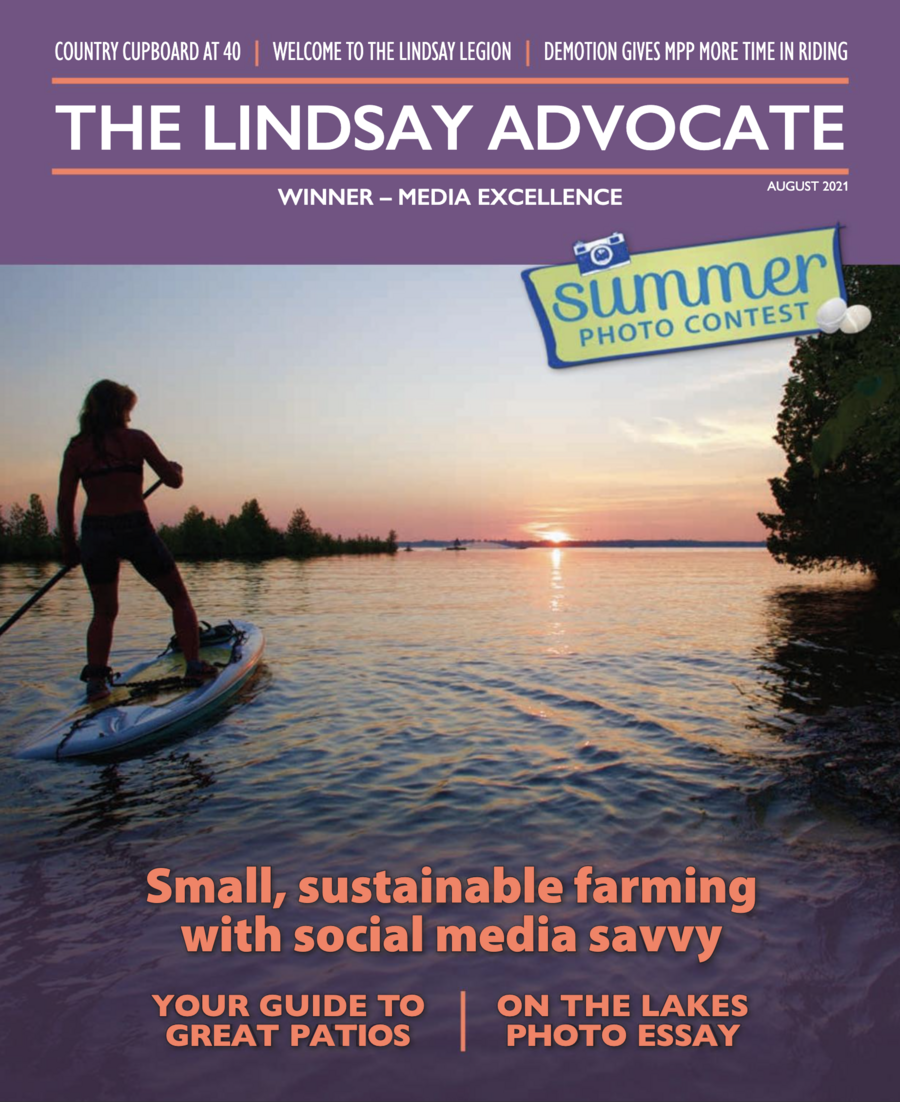
41 - A mission economy
This publisher’s column from Roderick Benns argued that market values alone can’t address society’s biggest challenges, from climate change to public health, because the market assigns worth only where profit exists. Drawing on thinkers like Mark Carney (a few years before he became prime minister) and Mariana Mazzucato, it calls for a “mission economy” in which governments, businesses, and citizens align around shared goals to build a more inclusive, sustainable, and purpose-driven form of capitalism.

42 - Political polarization
After a federal election, we talked with Conservative MP Jamie Schmale, Liberal candidate Judi Forbes, and People’s Party candidate Alison Davidson shortly after the 2021 federal election to reflect on the results in Haliburton–Kawartha Lakes–Brock. They discussed the growing rural-urban political divide, the hostility and polarization seen on the campaign trail, and what the rise of shifting conservative politics might mean for future elections in the riding.

43 - Lack of diversity on council
This feature by Kirk Winter examined how municipal councils across Ontario — including Kawartha Lakes — remain overwhelmingly older, white, male, and financially secure, creating a deep disconnect between local governments and the diverse communities they serve. It outlines the structural barriers that prevent women, racialized residents, Indigenous people, younger adults, and lower-income candidates from running, and explores potential reforms.
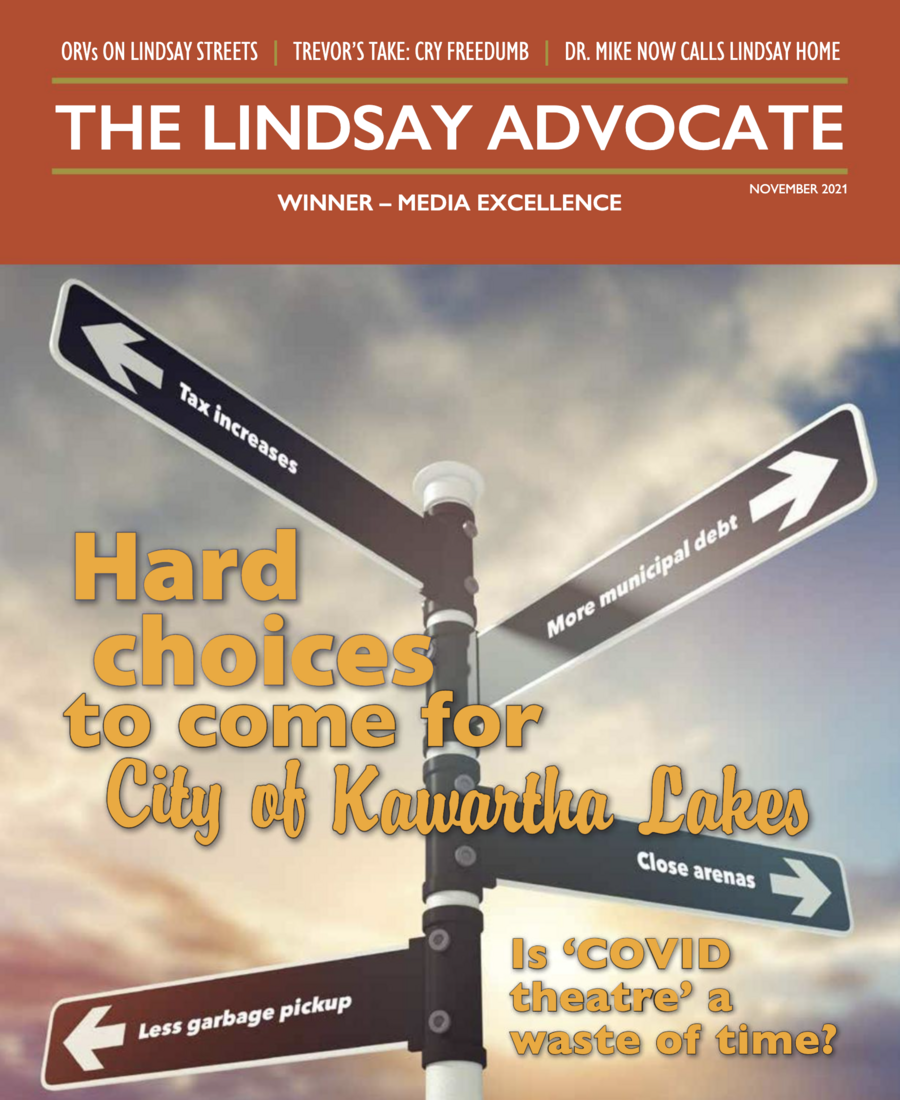
44 - City’s long-term financial plan
This feature centred on the city having saved only a fraction of what its long-term financial plan required, leaving a massive capital shortfall and decades of infrastructure work compressed into the next 10 years. Senior staff outline options — including annual tax increases of at least three per cent plus a dedicated 1.5 per cent capital levy — while councillors debated whether the city must raise taxes, cut services, increase debt, or sell assets to avoid further deterioration of municipal infrastructure. The subsequent years would see council move forward with a combination of tax increases and levies to bring the city’s infrastructure needs back up to par.
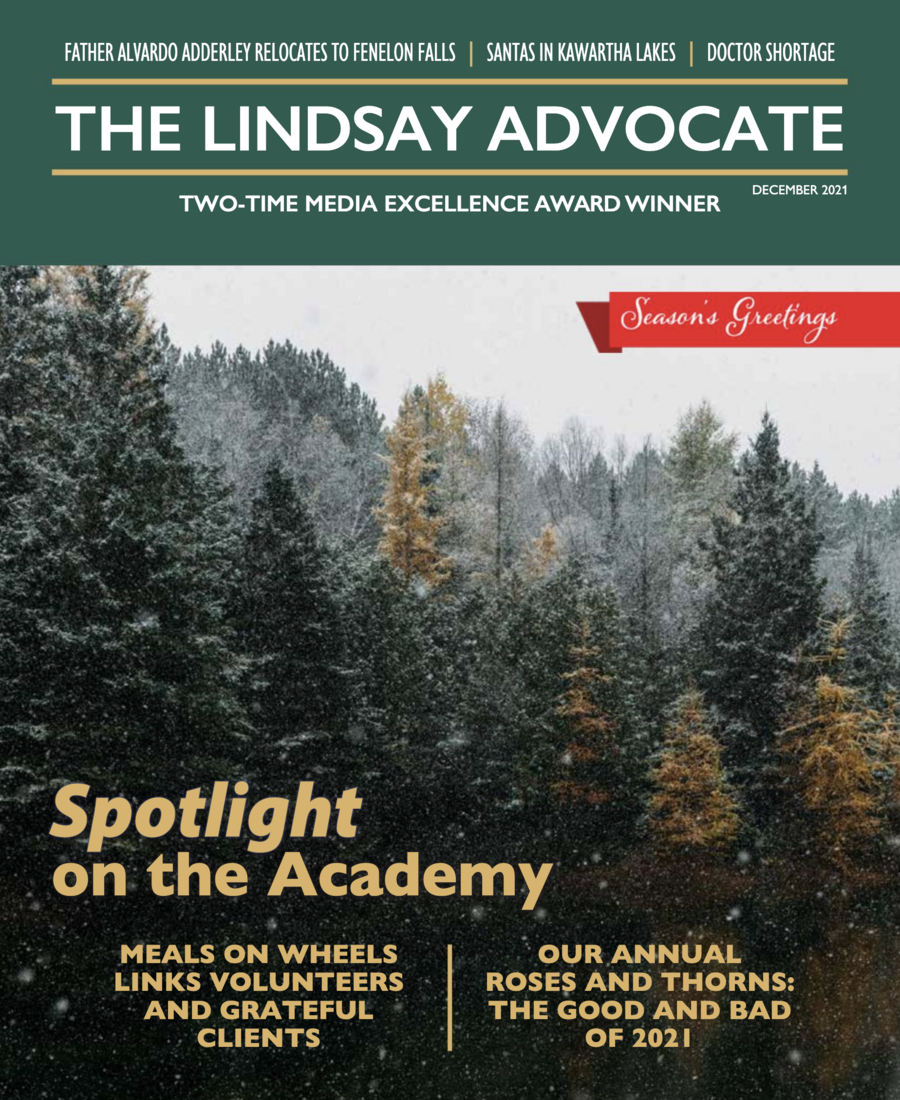
45 - Buying an EV
Columnist Ginny Colling reflects on her shift to a fully electric vehicle, purchased using a small inheritance from her late mother. She described the dramatic savings, low maintenance, and environmental benefits she experienced. Colling acknowledges the higher upfront cost and limited charging infrastructure — especially in Kawartha Lakes — but argues that EVs are rapidly improving, increasingly practical, and an important part of reducing emissions and improving public health.
2022
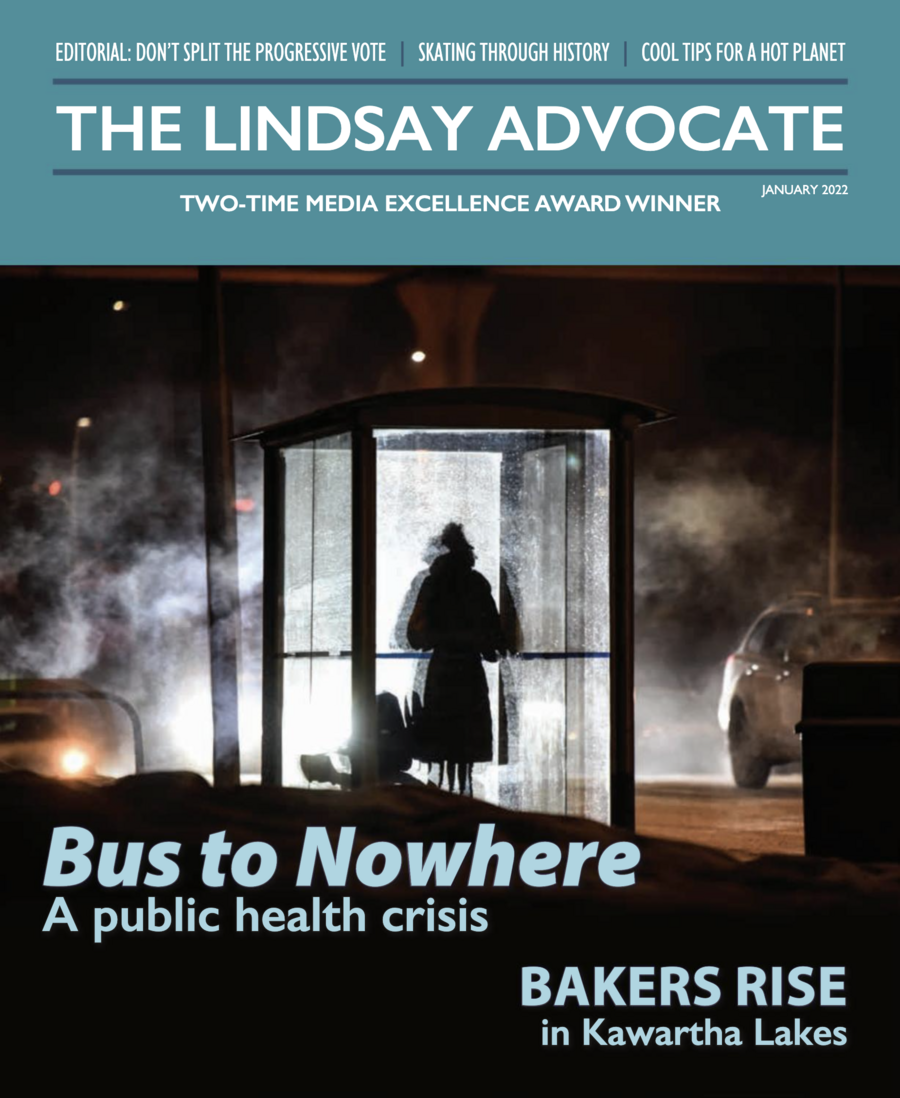
46 - Waiting for the bus
This feature looked at the lack of transportation options to get in and out of Kawartha Lakes, including how this sometimes translates into being unable to access essential medical care. The article showed how isolation, missed appointments, and delayed treatment compound into a broader public-health crisis, underscoring the urgent need for coordinated transportation solutions in rural communities. At press time – four years later after this 2022 feature was published – nothing had changed.

47 - Future union strength will depend on new approaches
This feature argued that unions must evolve to remain effective, especially as younger workers face precarious employment, rising living costs, and declining trust in traditional institutions. It shone a spotlight on the need for more flexible organizing models, stronger community alliances, and a renewed focus on equity and inclusion if unions are to rebuild relevance and power in the decades ahead.
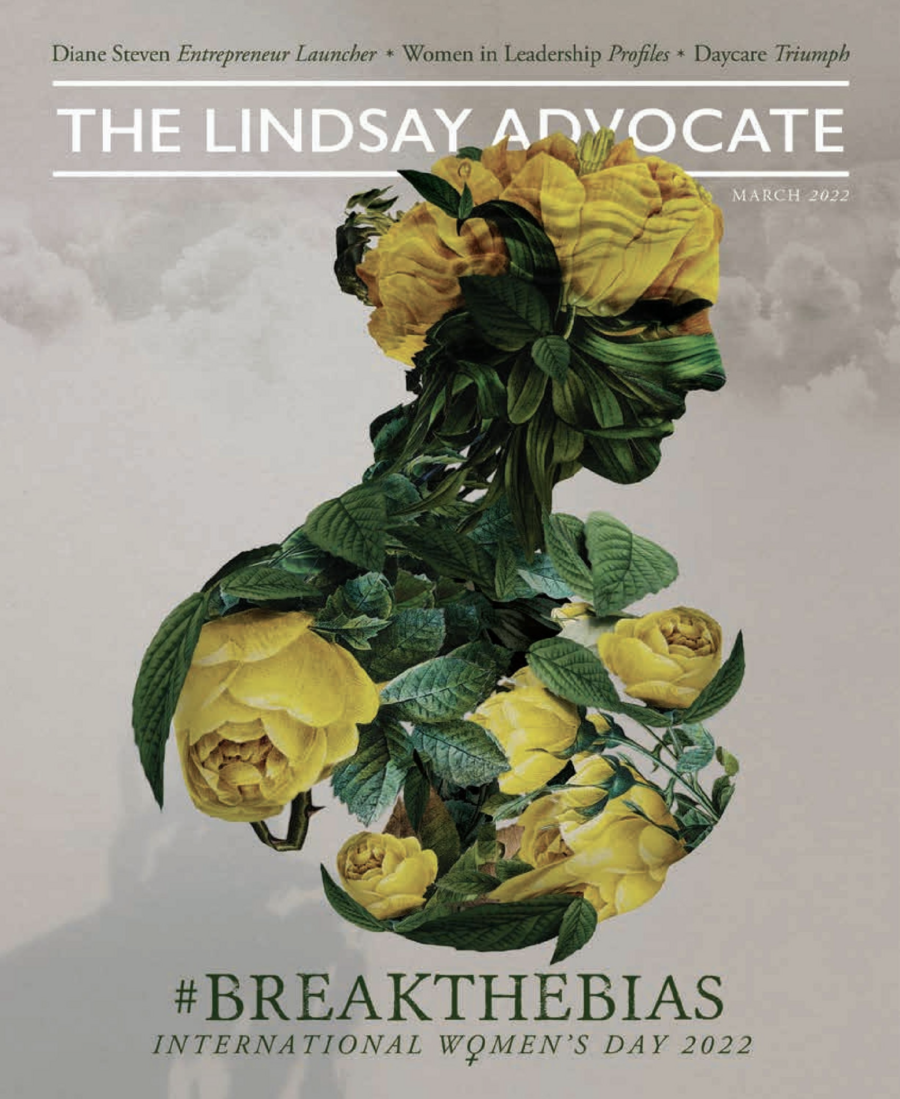
48 - National childcare plan great for women, society
This column by Trevor Hutchinson argued that Canada’s $30-billion national childcare plan is both a social and economic breakthrough, enabling more mothers to participate in the workforce while boosting long-term GDP. Drawing on evidence from Quebec and international models, it showed how affordable, regulated childcare strengthens families, supports gender equality, and benefits the broader economy — and why Ontario’s participation is essential for parents who stand to save thousands of dollars per child.

49 - Self-employment in Kawartha Lakes
This feature explored the growing number of residents turning to self-employment — from tradespeople and artisans to consultants and home-based entrepreneurs — and the mix of freedom and financial uncertainty that comes with it. Through local voices, it illustrated why people choose to work for themselves, the challenges of inconsistent income and limited benefits, and the resilience required to build a livelihood outside traditional employment.

50 - Finding love in a small town
Exploring the quirks and challenges of dating in a small community, where everyone knows everyone and privacy is scarce, this feature looked at love. Through local voices, it showed how friendships often become the foundation for lasting relationships, offering trust, shared history, and a gentler path into romance in a place where social circles overlap.


51 - Advocate at 50
The Advocate at 50 was a milestone edition that celebrated the magazine’s 50th edition and evolution from a small, independent startup to a widely read community voice in Kawartha Lakes. The issue blended reflection and forward-looking optimism and revisited the Advocate’s founding mission of social good, local storytelling, and community advocacy. It also sought the ideas on how to improve our communities and then published those answers.
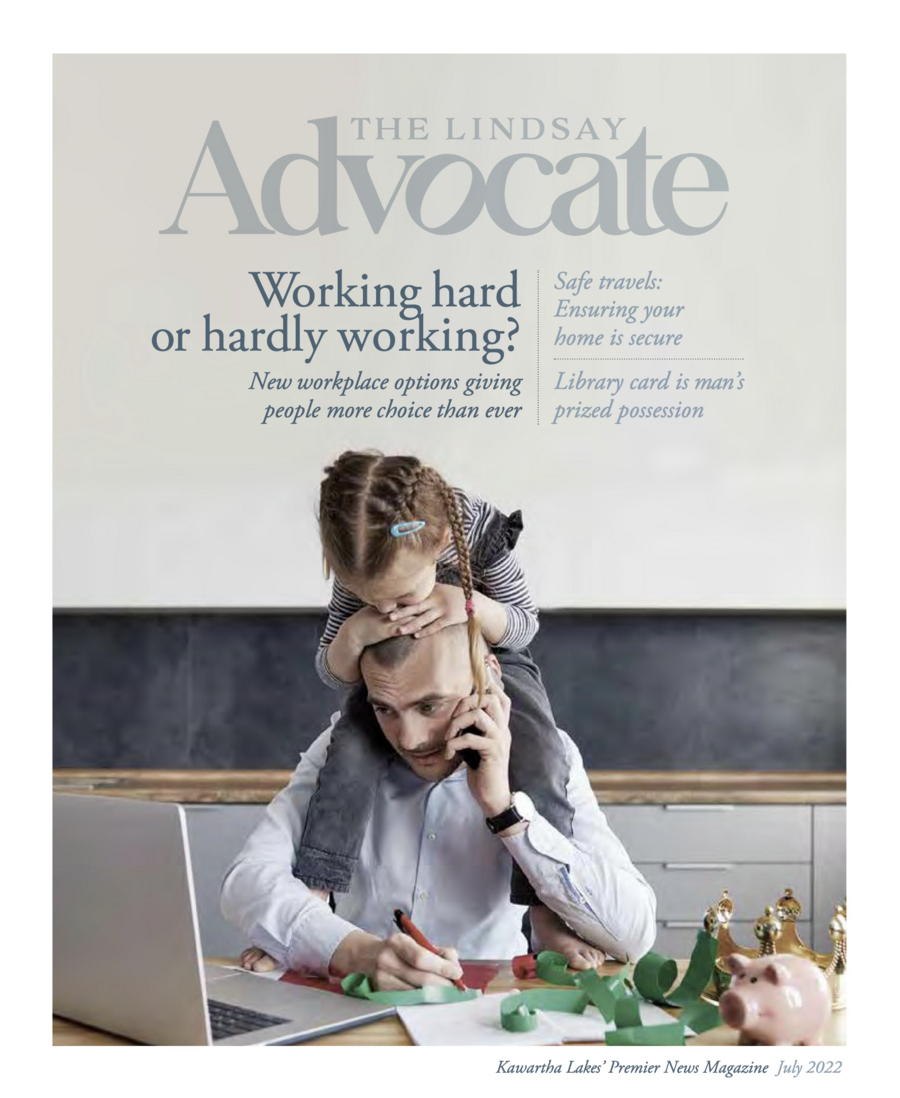
52 - Words to live by
This feature was fundamentally a love letter to public libraries — the sayings, insights, and small truths discovered between their shelves, and the way libraries shape a community’s moral imagination. Through reflections on favourite quotations and the comfort of returning to them, the piece argued that libraries are more than book-lenders: they are repositories of shared wisdom, places where people find guidance, grounding, and a sense of belonging.

53 - Sex trafficking
This guest feature written by Bella Alderton and Mike Perry explained how sex trafficking in Ontario — including in communities like Kawartha Lakes — rarely resemble the sensationalized abduction scenarios people imagine. Instead, it often begins as what appears to be a normal romantic relationship, with traffickers using affection, attention, and trust-building to groom victims before isolating and exploiting them. Drawing on insights from local frontline workers, the article outlines common warning signs, the psychological manipulation involved, and why increased public awareness is essential to protecting vulnerable youth and adults.
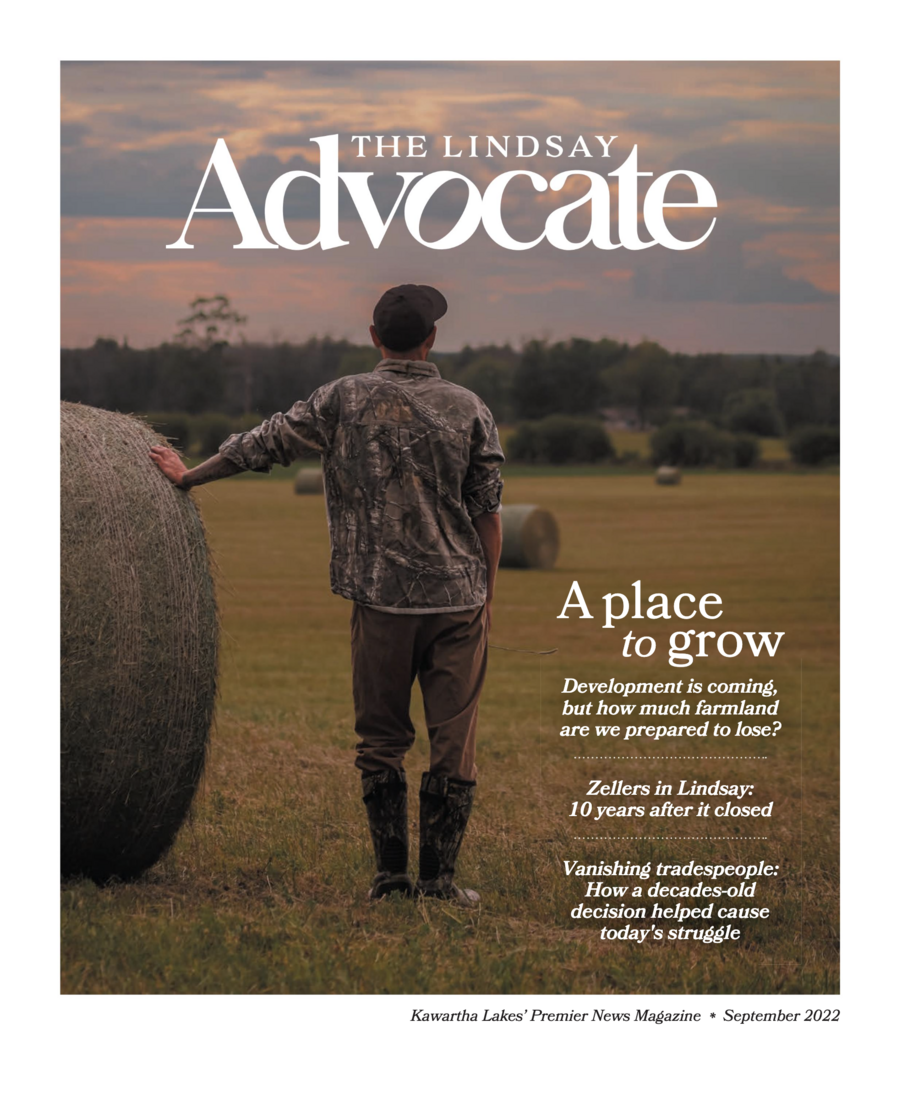
54 - The last crop: Balancing agriculture with development
Nancy Payne examined the growing pressure on farmland in Kawartha Lakes as residential development continues to accelerate. Farmers, planners, and local officials describe a region where agriculture remains economically vital and culturally defining, yet increasingly squeezed by housing demand, rising land values, and competing visions for growth. The article explored how to protect productive farmland, support farm families, and maintain rural character while still accommodating population growth — a balancing act that continues to shape the future of both the local economy and the landscape itself.

55 - We need to talk about cats
Tackling the growing problem of free-roaming cats in Kawartha Lakes — both owned and feral — this article showed how significant harm occurs to local wildlife when cats are free to roam. Drawing on research and local expertise, it explained how outdoor cats kill millions of animals each year, spread disease, and contribute to declining species populations. The article urged a cultural shift toward keeping cats indoors, supporting spay-and-neuter programs, and treating the issue as a genuine environmental concern rather than a quirky neighbourhood nuisance.
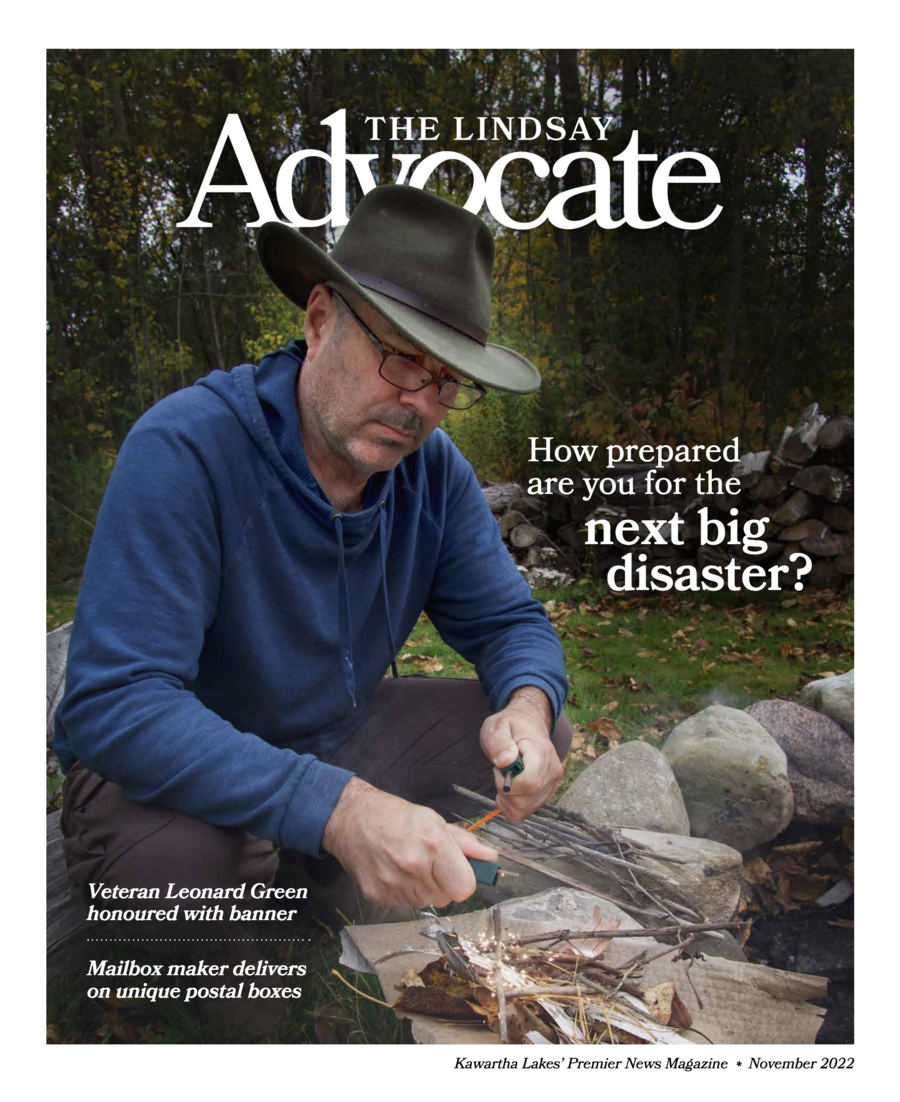
56 - Emergency readiness
This feature challenged residents of Kawartha Lakes to think realistically about how they would cope if a major emergency — a long power outage, severe storm, or supply-chain disruption — lasted not hours but days or weeks. Drawing on guidance from emergency-management experts, it outlined the essentials every household should have (food, water, heat, medications, communication tools), the common gaps people overlook, and why rural communities face unique vulnerabilities. The article ultimately argued that personal preparedness isn’t alarmist; it’s a practical responsibility that strengthens the whole community when disaster strikes.

57 - Restoring civility
This piece by Nancy Payne closed off 2022 and reflected on the rising incivility in public life, from politics to everyday interactions. It argued that rebuilding a culture of respect starts with small, personal choices. Drawing on local examples and broader social trends, it highlights how impatience, polarization, and online hostility spill into real-world behaviour, eroding community trust. The article ultimately calls for a return to empathy, curiosity, and neighbourliness as the foundation for healthier civic dialogue in Kawartha Lakes.
2023

58 - Bill 23’s danger to environment
This opinion column by Coun. Pat Warren argued that Ontario’s Bill 23 undermines both environmental protection and the very goal it claims to advance: affordable housing. She warns that the bill weakens conservation authorities, threatens wetlands and natural heritage, and shifts costs onto municipalities and taxpayers. Warren contends that true affordability cannot be achieved by sacrificing environmental safeguards or by downloading expenses to cities already struggling with infrastructure and housing pressures.
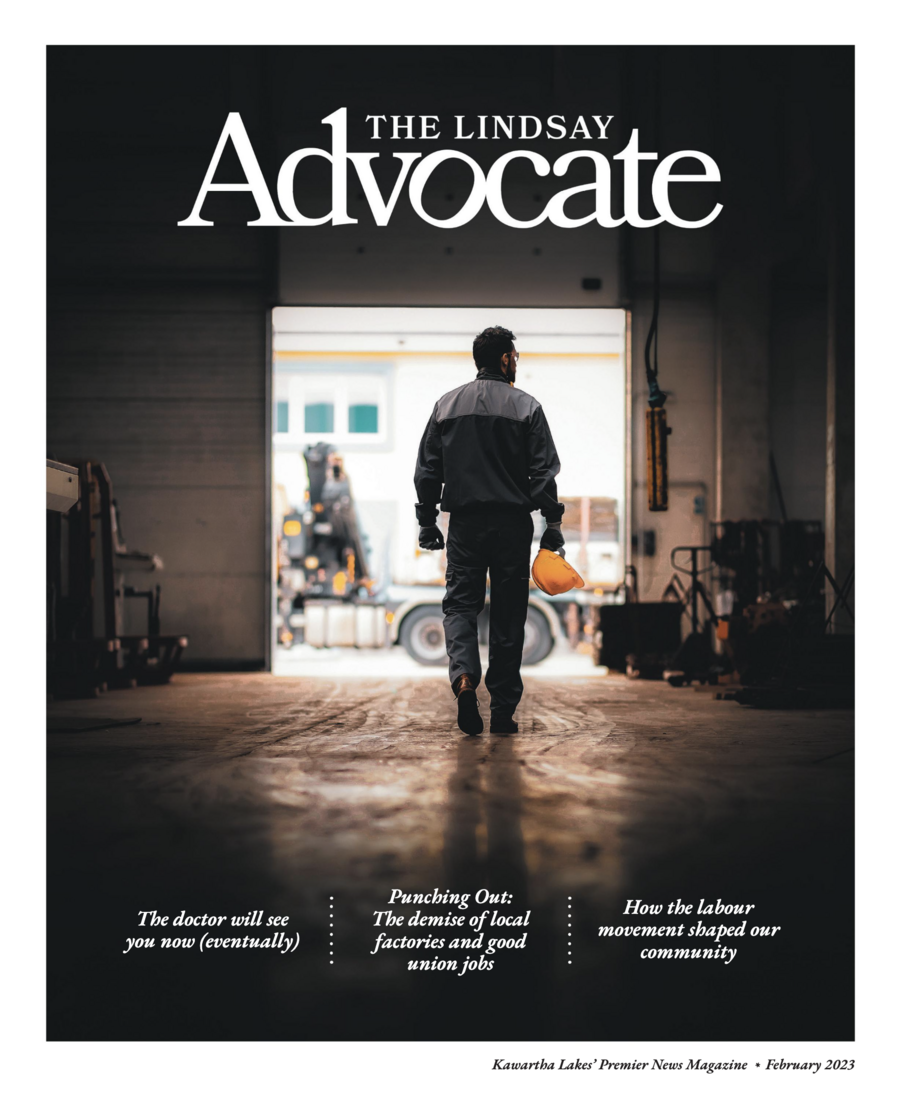
59 - Punching out
Like many small cities across Canada, this feature traced the rise and collapse of our once-mighty manufacturing sector, focusing on the closures of Viskase, Trent Rubber, and Fleetwood between 2000 and 2007. At their peak, these factories employed hundreds and formed the backbone of local economic life, from Viskase’s mid-century boom in cellulose casings, to Trent Rubber’s experiment in employee ownership, to Fleetwood’s prolific trailer production. Global market pressures, corporate restructuring, technological shifts, and the loss of rail infrastructure ultimately converged to shutter all three plants, eliminating more than 400 jobs and reshaping the town’s industrial identity.

60 - Being better humans
In his monthly column, Trevor Hutchinson delivered a frank, urgent call for men to confront the realities of misogyny, gender-based violence, and systemic inequality. Drawing on national data showing persistently high rates of femicide and family violence against women and girls, he argues that progress will only come when men take responsibility for changing harmful behaviours, challenging toxic masculinity, and actively supporting gender equity. The column urges men to listen to women’s experiences, advocate for reproductive rights and pay equity, and model healthier, more compassionate forms of masculinity, framing this work as essential to building a safer, more just community. This theme would be echoed in 2026 during a popular panel discussion hosted by the Advocate called Empty Seats, discussing women’s experiences in public life.

61 - 68 Lindsay Street North, a year after reset
This story examined whether conditions have improved at Lindsay’s most controversial supportive-housing site nearly a year after the city and KLH Housing Corporation overhauled its service model. Emergency calls and police visits had dropped significantly since the 2022 “reset,” which introduced mandatory participation in transitional programs, stricter eligibility, enhanced security, and the eviction of tenants whose behaviour endangered others. City officials and police said the building was now more stable and better supported, though they acknowledge ongoing challenges tied to addiction, mental-health gaps, and the behaviour of guests.

62 - Environment under threat
Local environmental experts warn that Kawartha Lakes’ wetlands are disappearing at an alarming rate. More than 70 per cent of Ontario’s wetlands have already been lost since European settlement began, and recent provincial policy changes had weakened protections further by limiting conservation authorities’ oversight and altering how wetlands are evaluated. In the Kawartha Lakes region, hundreds of hectares have vanished in the past decade, largely due to development and agricultural expansion. Experts argued that wetlands provide irreplaceable ecological and economic value, from clean drinking water to wildlife habitat and flood mitigation.
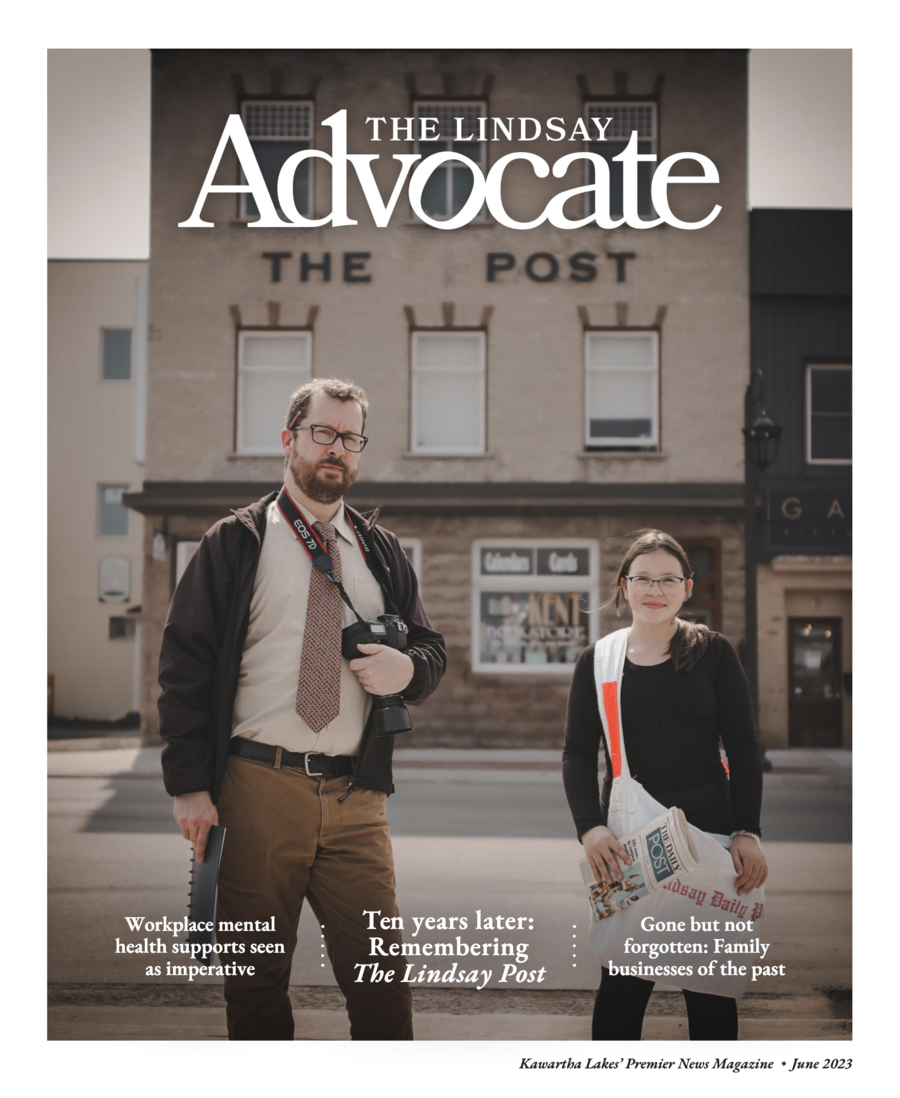
63 - Ten years after the closure of The Lindsay Post
This reflective feature by Nancy Payne looks back at the 2013 shutdown of The Lindsay Post, a newspaper that had served the community for more than a century. Once a competitive daily with deep local roots, the Post gradually thinned, reduced publication, and cycled through a series of corporate owners before finally closing amid collapsing advertising revenue, digital disruption, and shrinking staff. Former employees recall the rapid industry-wide shift: centralized printing, job losses, declining subscriptions, and the rise of social media that siphoned both readers and advertisers. A decade later, former staff reflect with sadness but also note the importance of new local journalism, such as the Advocate, to keep people connected.
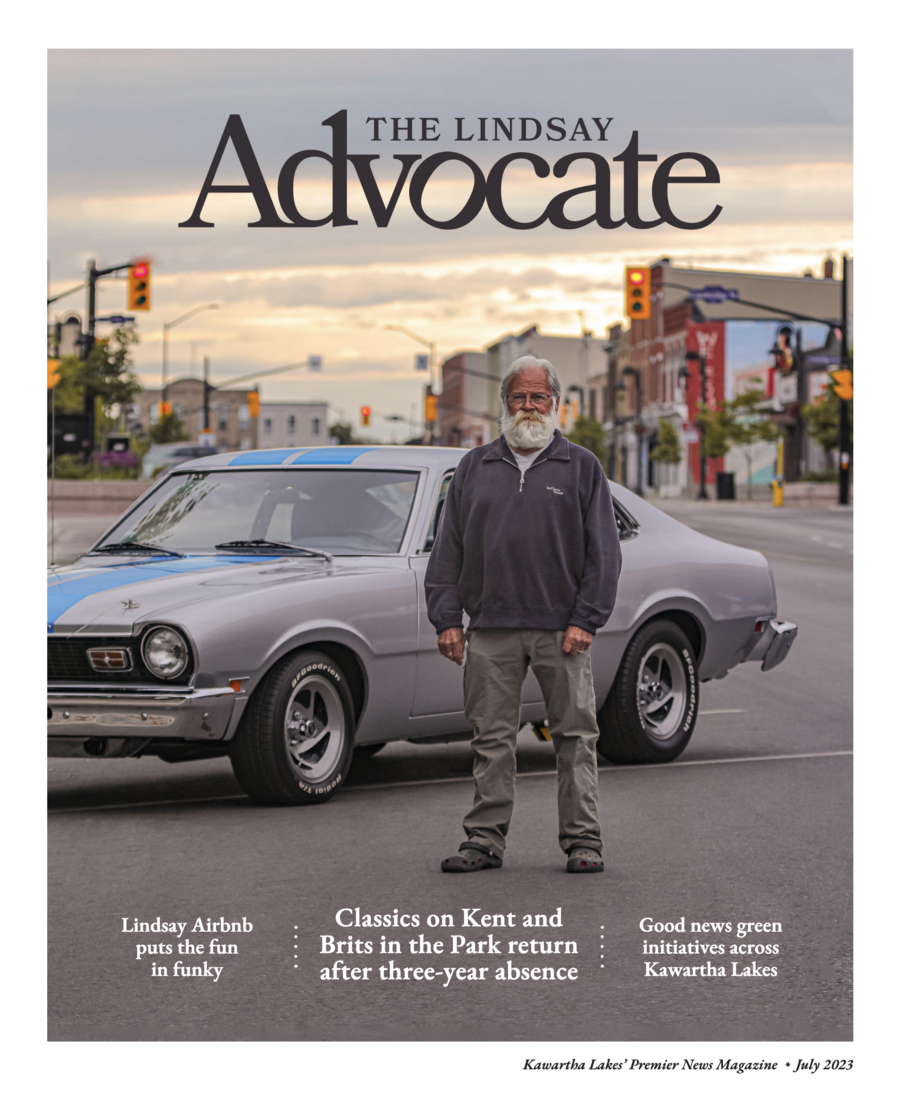
64 - Working with nature for success
This upbeat feature by writer Jamie Morris took the opportunity to highlight five innovative, homegrown environmental projects across Kawartha Lakes that demonstrate how working with nature can solve real problems. From a Fenelon Falls rain-garden that filters stormwater and supports pollinators, to the ambitious tallgrass prairie restoration at Ballyduff Trails, each initiative shows residents reclaiming and strengthening local ecosystems. Together, these stories present a rare burst of environmental optimism — proof that community-driven stewardship matters.

65 - Erica Ehm on the importance of values and the charm of Kawartha Lakes
This profile from the occasional “Lunch with Roderick Benns” series captures the warmth, idealism, and creative drive of former MuchMusic VJ Erica Ehm, who has quietly become part of the Kawartha Lakes community after buying a cottage on Pleasant Point. Over lunch, she reflects on the values that have guided her life, from her early days DJ’ing in Montreal, befriending a then-unknown U2 that was on tour, to her decade shaping Canadian music television, to her later success as a songwriter, TV host, entrepreneur, and founder of YMC. Ehm speaks candidly about empathy, courageous leadership, and surrounding herself with people who share her commitment to kindness.

66 - Hugh Segal and basic income
This profile honours the late Senator Hugh Segal, one of Canada’s most influential and persistent champions of basic income. The piece traces his decades-long fight to replace punitive, inadequate social-assistance systems with a guaranteed, dignity-focused income floor for all Canadians. It highlights Segal’s rare cross-partisan credibility — an unapologetic Progressive Conservative who argued that poverty reduction was both morally necessary and fiscally smart. The article revisits his role in shaping Ontario’s 2017 Basic Income Pilot, which ultimately saw Lindsay chosen as one of three pilot sites for the program, before the government of Doug Ford abruptly halted it.
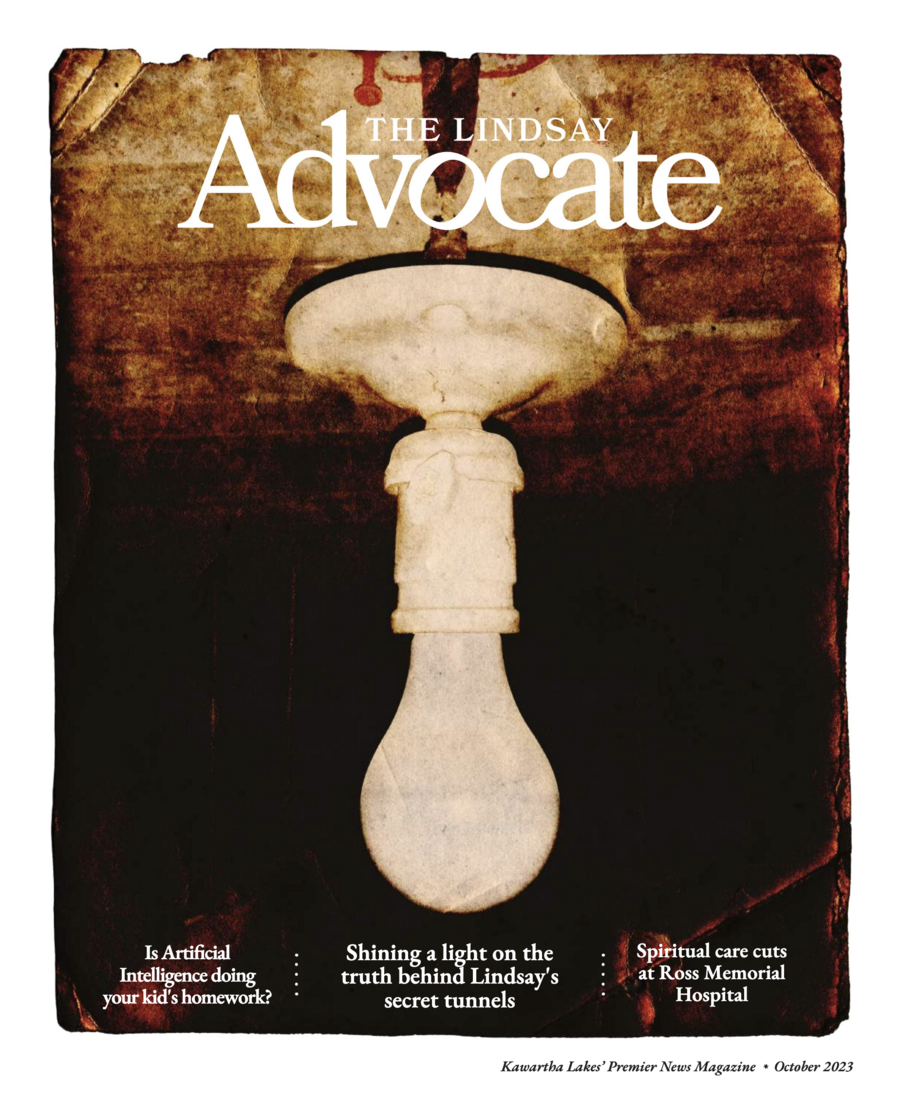
67 - No news is bad news
This editorial confronts the accelerating collapse of local journalism in Ontario, triggered most recently by Metroland’s shutdown of 70 print community newspapers — including Kawartha Lakes This Week — and the loss of more than 600 jobs. It situated the crisis within a broader media landscape dominated by tech giants like Meta and Google, which then captured 80 per cent of Canada’s online advertising revenue and, in Meta’s case, block Canadian news entirely. It reflects on the community impact of losing yet another local outlet, coming just a decade after the closure of The Lindsay Post. In response, the Advocate outlines its own expanded commitment to local news. One year later, it would launch Kawartha Lakes Weekly in print and online, the only all-local print newspaper.
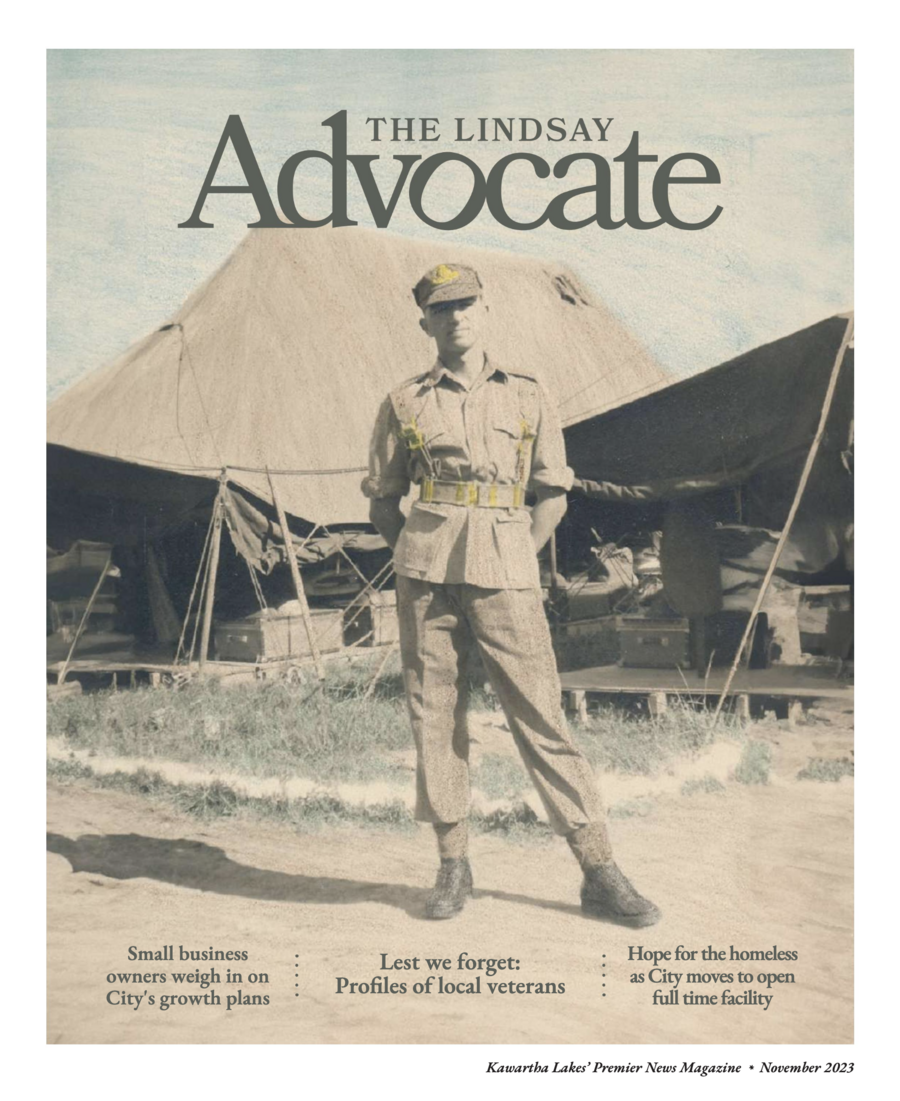
68 - City braces for extraordinary growth
CAO Ron Taylor says Kawartha Lakes is bracing for unprecedented expansion, with Lindsay expected to nearly double by 2031 and absorb most of the city’s 22,000 new homes by 2051. Growth is concentrated there because the town already has the hospital, college, transit, and servicing capacity to support it. The city is updating water and wastewater systems, roads, bridges, landfill planning, and recreation spaces to keep pace, while insisting that “growth pays for growth” through development charges. Local business owners see opportunity but worry about traffic, parking, housing affordability, and doctor shortages. The piece captures a community preparing for rapid change.
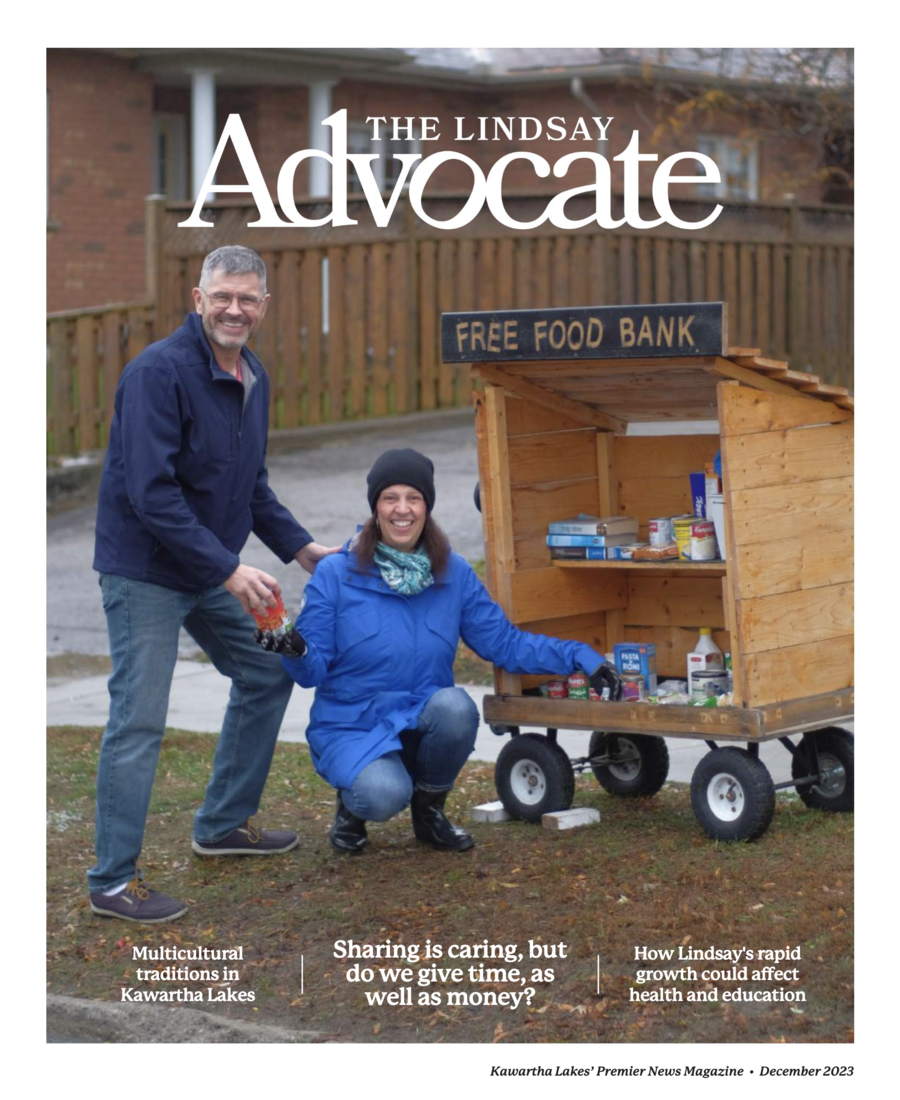
69 - Who cares when service clubs face shrinking memberships
The article by writer Geoff Coleman explores why traditional service clubs across Kawartha Lakes are shrinking even as community need grows. Groups like the Lions and Kinsmen report fewer members — especially younger ones — and difficulty filling leadership roles, despite long histories of major local contributions. Time pressures, dual-income households, and changing social habits mean people prefer flexible, low-commitment models such as the “100 Women/100 Men” groups, which offer quick, direct impact. Yet the story shows that while financial giving remains strong, hands-on volunteer labour is harder to find, even though big community projects — from splash pads to toy drives — still depend on it.
2024
70 - Barely getting by
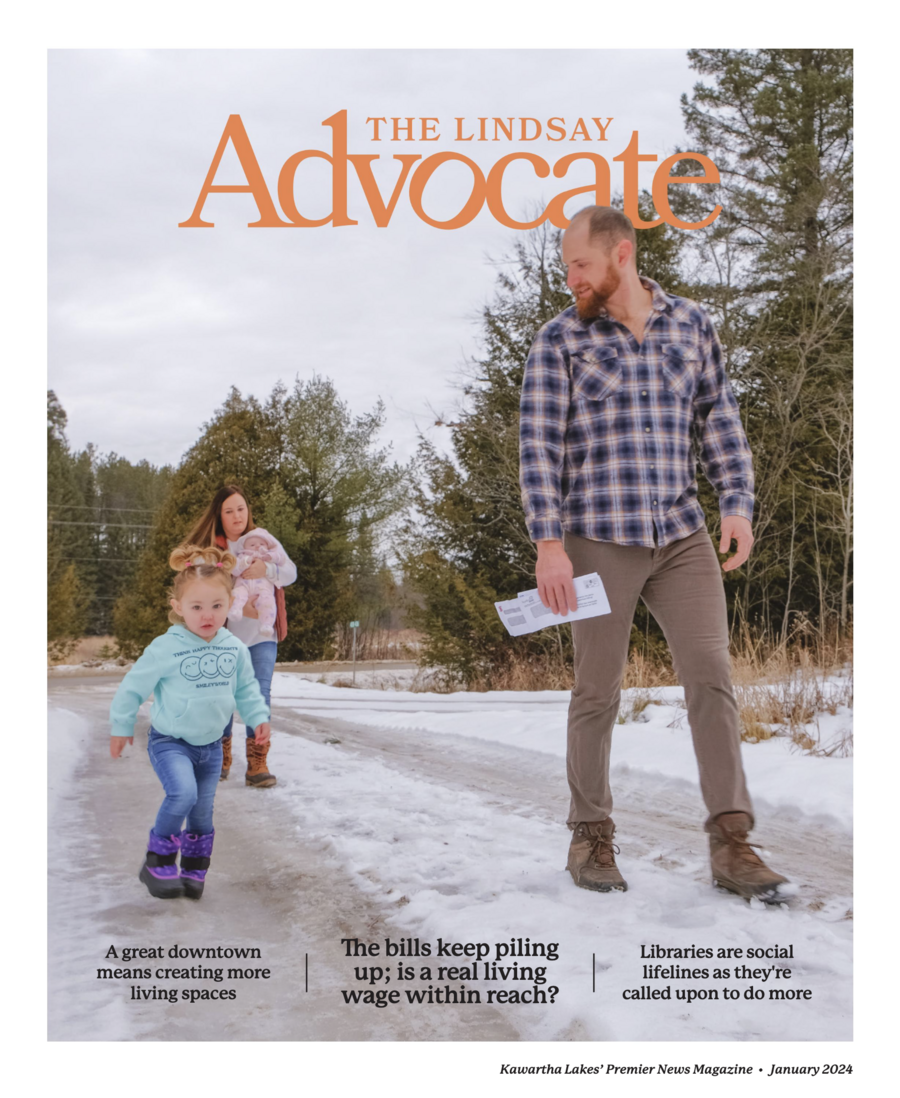
The Advocate returned to the subject of living wages as 2024 began, noting that a Kawartha Lakes’ official living wage was $20.60/ hour (now $22.20 in 2026) and how even that falls far short of what residents actually need to survive. Families with young children, gig-economy workers, and tradespeople earning above that threshold all describe being squeezed by soaring rents, food prices, fuel costs, and childcare. Many rely on multiple jobs, undeclared work, or living with parents to stay afloat. Advocates argue higher wages reduce turnover and boost the local economy.
71 - There’s something about Downeyville
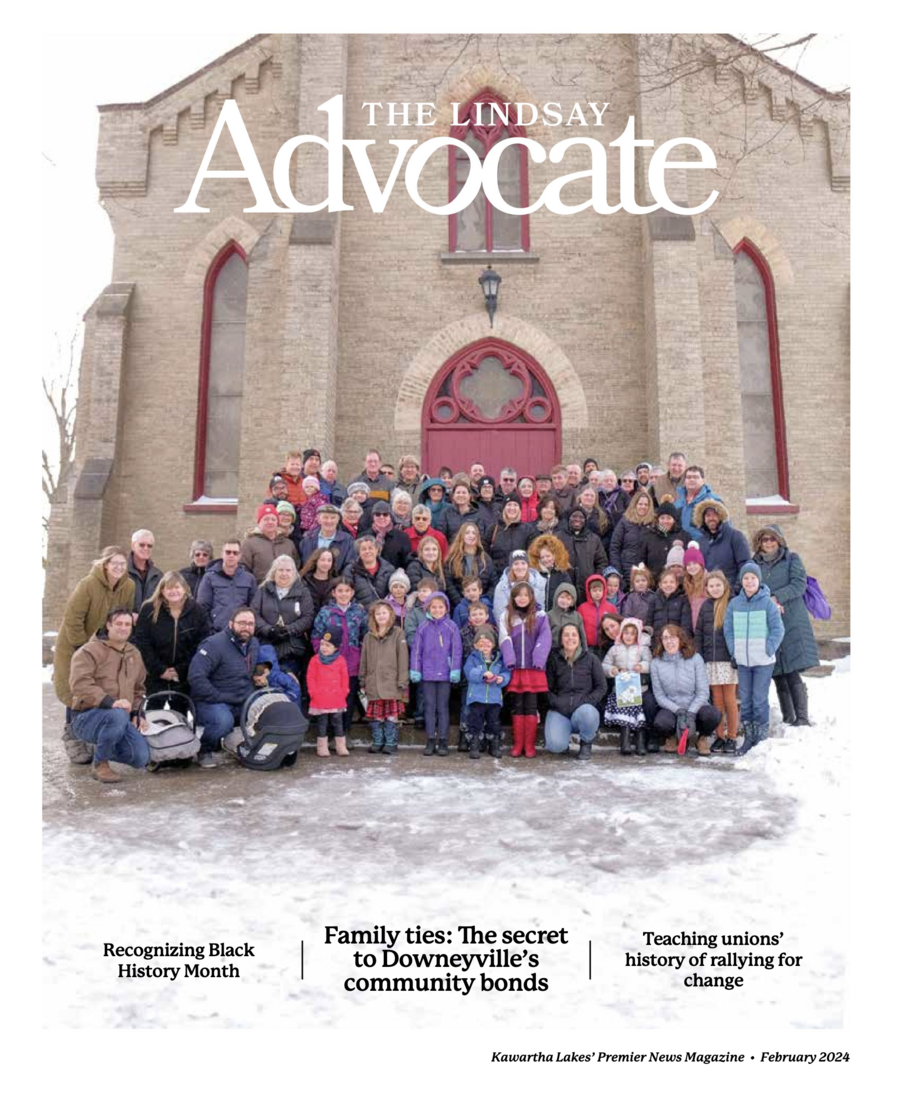
A classic Advocate feature that blends personal stories with community, Geoff Coleman explores why tiny Downeyville — an Irish Catholic hamlet in Kawartha Lakes — punches far above its weight in community spirit. Anchored by St. Luke’s Catholic Church and its bustling hall, the village sustains an unusually strong culture of volunteering, multigenerational events, and neighbour-to-neighbour support. Residents trace this cohesion back to the original 1825 Irish settlers, whose shared hardships forged a tradition of cooperation that still defines the community. Longstanding families, deep roots, and a sense of extended kinship shape everything from fundraisers to jamborees to welcoming newcomers.

72 - Midwife care growing in popularity
The article shows how demand for midwifery in Kawartha Lakes has surged as more women seek personalized, low-intervention birthing options. The Kawartha Community Midwives clinic now serves hundreds of clients a year, offering continuity of care, longer appointments, home-birth options, and a relationship-based model many families say they can’t find in traditional hospital settings. Midwives emphasize safety, working closely with Ross Memorial Hospital and transferring care when needed, while clients highlight feeling heard, supported, and empowered. Despite growing interest, the profession faces long waitlists and limited provincial funding.

73 - Building a stronger future for Tibet
This feature by Ian McKechnie traces the deep, 50- year relationship between Lindsay and its Tibetan community, centred on the Rabgey family and the long-running Machik Lindsay Dinner. After arriving as refugees in the 1970s, Pencho and Tsering Rabgey built new lives in Lindsay while raising daughters Losang and Tashi, who went on to become internationally recognized scholars. In 2002, the family helped establish the Chungba Primary School in rural Tibet, which grew into Machik, a global NGO supporting Tibetan education and community development. The Rabgeys reflect on Lindsay’s decades of solidarity and the belief that small, committed communities can drive meaningful change across the world.

74 - Academy Theatre needs ongoing municipal support
This column by Roderick Benns argues that the Flato Academy Theatre — one of Kawartha Lakes’ most important cultural assets — needs stable, annual municipal funding rather than occasional one-off grants. Despite the city’s own data showing that every dollar invested in culture returns between $3.70 and $11.70 to the community, the Academy receives no dedicated budget line, even though nearly 90 per cent of Ontario community theatres do. The piece argues that if the city promotes the Academy as a cultural jewel, it should also help sustain it.
75 - Healing hands: Convincing new doctors to call this city home
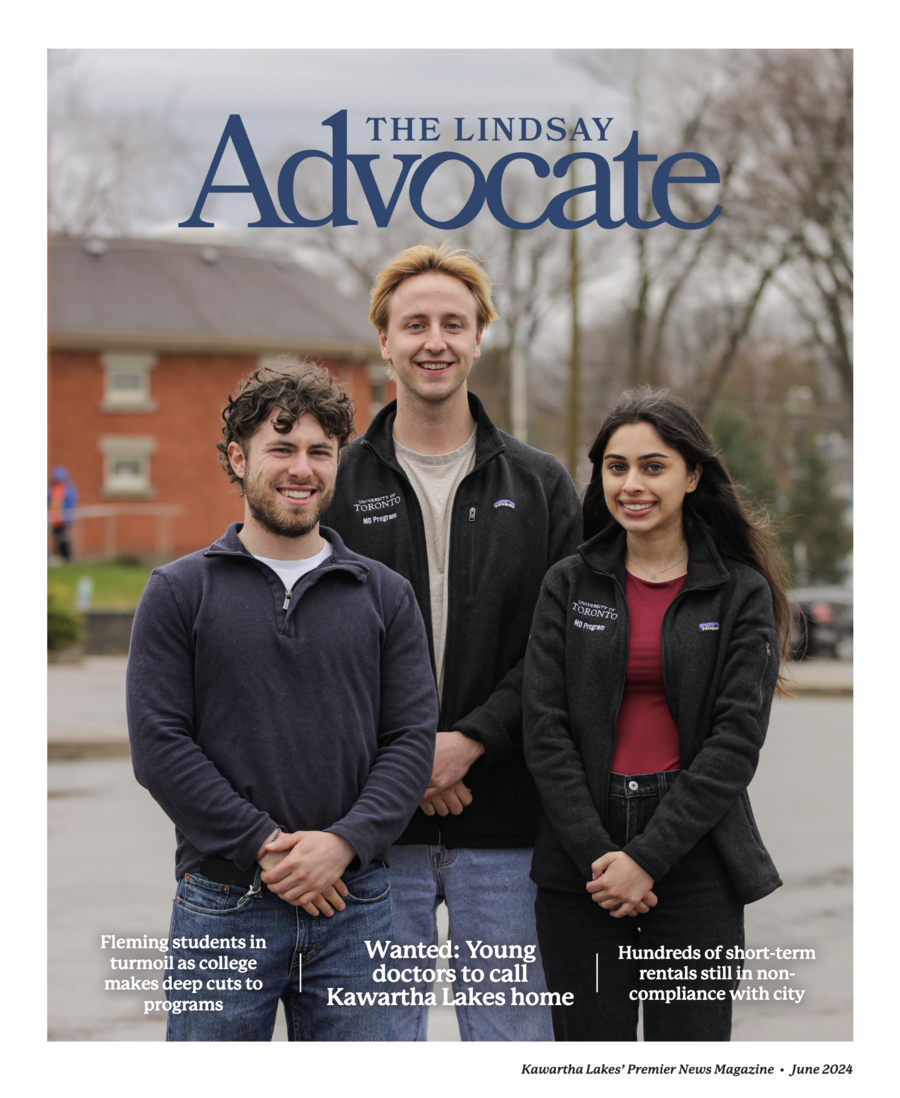
Trevor Hutchinson wrote this feature about how local health leaders are trying to attract and keep doctors in Kawartha Lakes, especially by exposing U of T medical students to rural practice through a “Rural Medicine Experience Day” at Ross Memorial Hospital. The piece emphasized the scale of Ontario’s doctor shortage, the challenges rural communities face in recruiting physicians, and the case that rural medicine can offer both meaningful work and a better work-life balance.

76 - Local healthcare needs major fix
This guest column by Dr. Bert Lauwers argues that Kawartha Lakes needs a population-based master plan to deal with the family doctor shortage and improve access to primary care. Lauwers says the plan should create a seven-days-a-week clinic for unattached patients, reduce pressure on the emergency department, and include strategies to recruit and retain more physicians. He also linked the crisis to retirements, doctors leaving comprehensive family practice, rapid growth, and systemic problems such as paperwork and compensation that make family medicine less attractive.
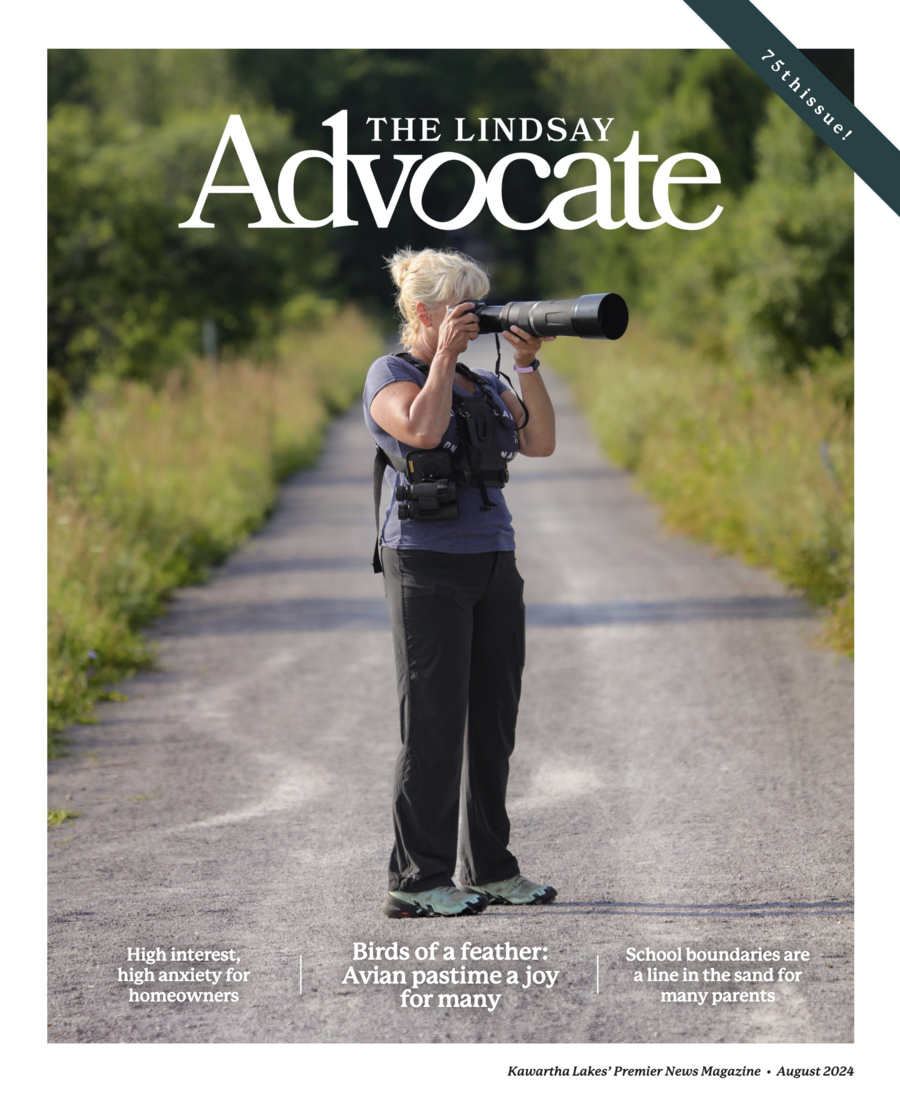
77 - Mortgage mayhem
The wave of mortgage renewals in Canada was the topic of this feature, colliding with much higher interest rates, leaving many local borrowers worried about payment shocks – something still relevant in 2026. It used local examples to show how people are responding: some are renegotiating through brokers, some are shifting debt into their mortgage to lower overall monthly costs, and some are even considering renting instead of buying again.
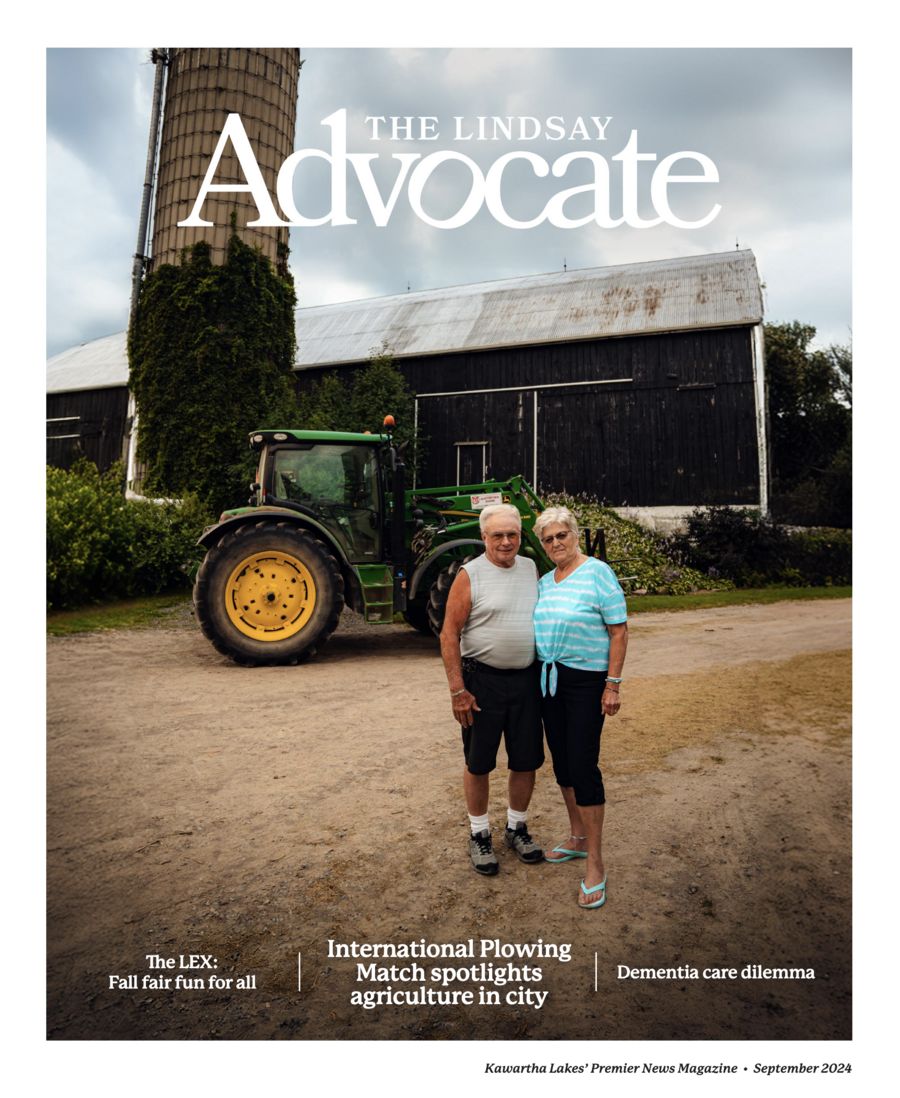
78 - International Plowing Match comes to city
The International Plowing Match and Rural Expo came to Kawartha Lakes in 2024, bringing in more than 50,000 visitors and generating millions of dollars in economic activity. The IPM highlighted the excellence and innovation of our local agricultural community. With captivating exhibits, hands-on educational workshops, and lively entertainment, there was something for everyone.

79 - Citizens are hungry
This column by Trevor Hutchinson pointed out that despite strong community generosity, food insecurity in Kawartha Lakes is worsening. Kawartha Lakes Food Source expected nearly 3,000 more food-bank visits in this year—almost a 30 per cent increase — driven by high rents, inflation, climate impacts, labour shortages, and global instability. Hutchinson called for national action, including a food pricing code of conduct, stronger competition in the grocery sector, and investigations into price-fixing.
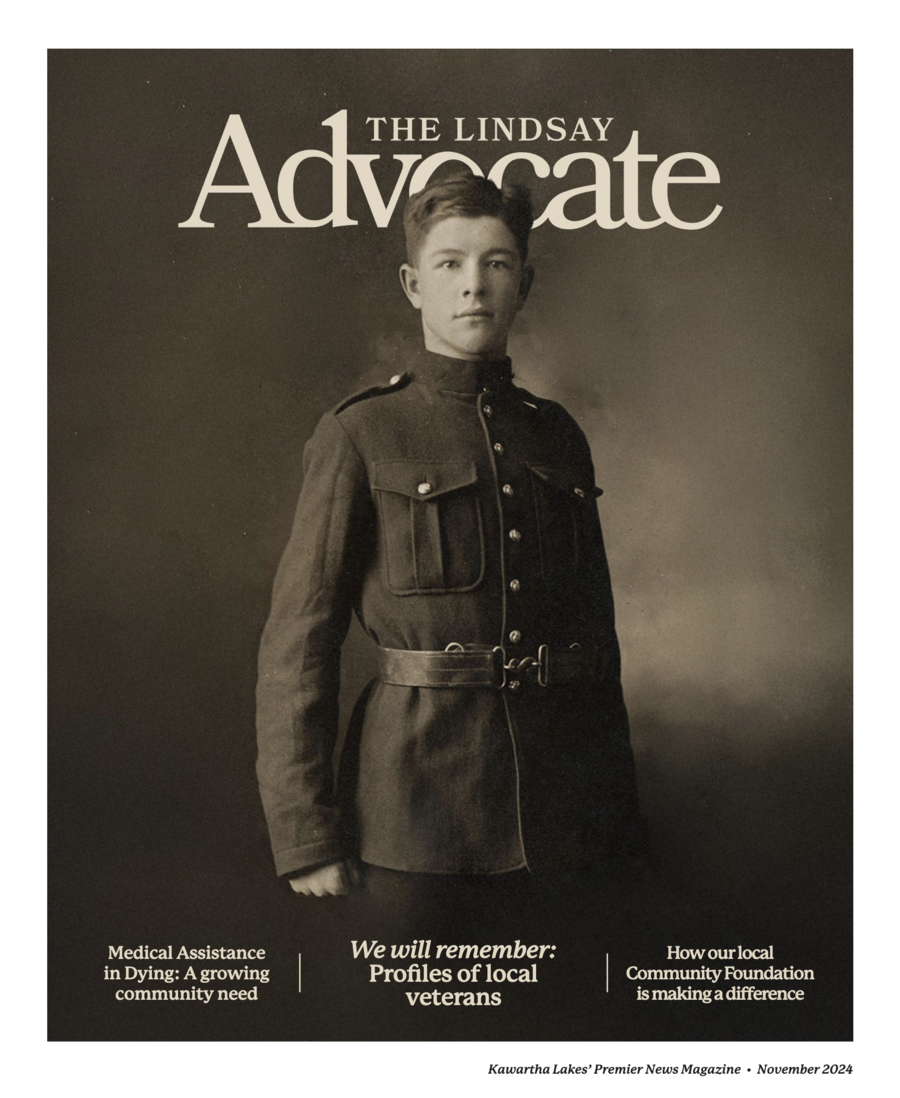
80 - Medical Assistance in Dying (MAID)
This feature by Aliyah Mansur on Medical Assistance in Dying (MAID) from 2024 showed that cases were rising sharply in Kawartha Lakes by then, mirroring national trends. At Ross Memorial Hospital, cases more than doubled since 2021, reflecting a 30 per cent year-over-year increase as seen across Canada. The article explains how MAID works through two tracks: one for patients whose natural death is foreseeable, and another requiring a lengthy, three-month review period when death is not imminent.

81 - Commuting realities
Writer Aliyah Mansur showcased three Kawartha Lakes residents whose long commutes to Toronto shape – or have shaped – their daily lives in different ways. High school teacher Dawn Legrow spends two to three hours each way from Reaboro, while Chris Schmidt relies on a self-driving car for his twice-weekly trips. Former commuter Robyn James reflects on the relief of having left the grind behind. All describe the rising financial burden — gas, Highway 407 tolls, weather-related hotel stays — along with worsening traffic and increasingly unpredictable weather that heighten stress and safety concerns.
2025
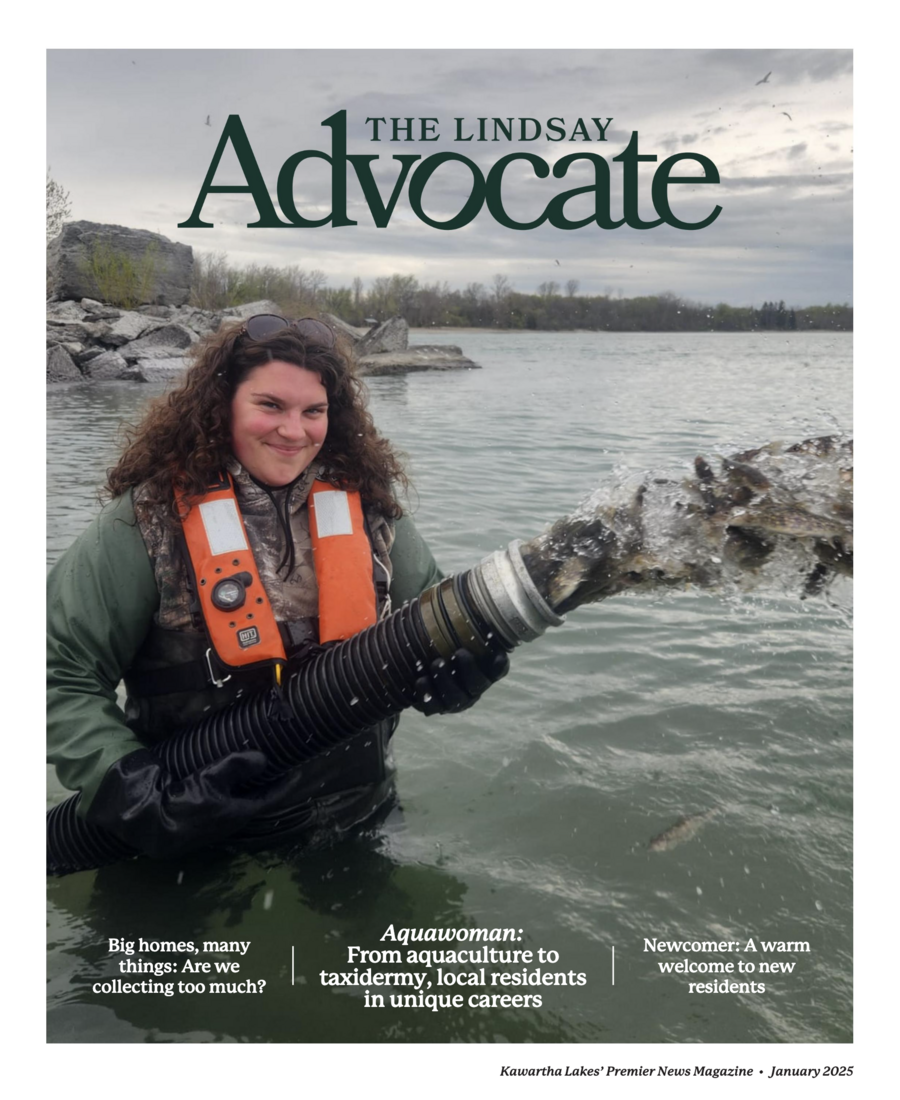
82 - Here comes the sun
Environmental columnist Ginny Colling kicked at the darkness of January by writing about the rapid rise of solar power. As the world’s cheapest and fastest-growing source of new electricity, global installations now add the equivalent of a nuclear reactor every day. The column explored how local residents Jamie and Glenda Morris have benefited from solar power. Through rooftop solar, supported by federal grants and loans, solar now offsets their annual electricity use.

83 - Calling out racism
This column was a direct appeal by the publisher, Roderick Benns, to the community at large to choose to confront the rise in racist behaviour in Kawartha Lakes, especially the surge of online hostility aimed at the area’s growing Indian population. Drawing on his own memories of growing up in a largely homogeneous Lindsay of the 1970s and ’80s, the writer reflects on how casual intolerance once went unchallenged — and how some of those same attitudes now reappear behind the anonymity of message boards and social media.

84 - Celebrating women while undervaluing them
In the March edition in 2025, guest writer Erica Ehm’s column argues that while International Women’s Day is meant to celebrate women, it also exposes how deeply society continues to undervalue them. She points to the persistent gender pay gap and the unequal burden of domestic labour, which became especially stark during the pandemic. Her friend, a senior government official and mother, is held up as an example: expected to manage a household and a high-pressure job simultaneously, while her male colleagues worked uninterrupted thanks to the invisible labour of their wives.

85 - Tariff war brings a new Canadian focus
In this local business story, area manufacturers discussed bracing for the Canada–U.S. tariff war, with U.S. President Donald Trump’s ongoing tariff attacks that seem to change almost daily and Canada’s retaliation driving up costs and shaking long-standing cross-border relationships. Ideal Roofing and Lindsay Paper Box Company both expected at the time to shift more attention to Canadian markets. Government programs offer support, but business leaders say uncertainty remains the biggest threat.

86 - The generations
This feature by Sarah Fournier gathered five Kawartha Lakes residents to reflect on how different eras shape values, communication, and expectations. The now-late Zarina Decambra (Silent Generation) recalled a childhood of strict obedience and little emotional expression and then found herself in a lively multigenerational home. Boomer Peter Sanderson remembers a freer, more communal Lindsay and worries that screens have replaced the unstructured play that once built resilience. Gen-Xer Jason Ward sees his cohort as the bridge between analogue and digital life, shaped by taverns, music scenes, and face-to-face connection. Millennial Sue Allen tries to give her kids the outdoor freedom she had while navigating the pressures of constant technology. Gen Z participant Sage Stapleton embraces digital life but admires older generations’ ease with direct, offline communication. Across the board, participants rejected stereotypes and instead pointed to the economic and cultural forces that shaped them.

87 - The lost art of conversation
Guest writer Richard Gauder reflected on the reality that real conversation is slipping away as digital communication becomes our default. Phones, social media, and algorithm-driven outrage reward speed and reaction, not depth, leaving people less patient, less empathetic, and more isolated. The pandemic accelerated the shift, shrinking our “third places” — cafés, clubs, churches, community spaces — where strangers once naturally mixed and talked. Gauder argues that recovering the art of conversation requires intention: seeking face-to-face interactions, listening with curiosity, paying attention to non-verbal cues, and reviving storytelling as a way to build understanding.

88 - Patriotism strong across Kawartha Lakes
This feature captured the surging sense of pride across Canada including Kawartha Lakes, sparked by repeated dismissive comments from the U.S. president and intensified by the tariff war – something that continues to this day. Residents describe a collective “back-straightening” — a renewed desire to buy Canadian, fly the flag, and assert national identity. Lindsay business owner Steve Turner now stocks only Canadian team jerseys and avoids U.S. suppliers wherever possible, echoing a broader shift he sees among local entrepreneurs. Snowbirds returning from Florida report feeling a sharper political edge there, making Canada’s unity and patriotism feel newly energizing.

89 - Small town, big dreams
This feature by historical writer Ian McKechnie explores the tension between Lindsay’s rapid growth and the small-town character residents cherish. Downtown landmarks like the Olympia and Kindred Coffee Bar still embody the intimacy and familiarity people associate with Lindsay — places where staff know your name and conversations spill across tables. But just minutes away, widened highways, new subdivisions, and big-box development signal a community on the brink of major transformation.

90 - Arctic security radar site
The Advocate was the first to report on the federal government selecting Kawartha Lakes as one of two national transmit sites for Canada’s new Arctic Over-the-Horizon Radar system — a major milestone in the country’s $39-billion plan to modernize NORAD – despite local pushback from area residents. The Department of National Defence has acquired 163 hectares of land north of Bexley Township for the project, which will allow Canada to detect threats far beyond the range of traditional radar by bouncing signals off the ionosphere.

91 - Vital Signs: The state of wellbeing in Kawartha Lakes
The inaugural Vital Signs report from the Kawartha Community Foundation offered the clearest picture yet of how Kawartha Lakes is doing across 11 indicators of community health. Writer Sarah Fournier highlights three of the urgent pressure points in the report: high rates of preventable and treatable deaths, one of the oldest populations in Ontario, and a dramatic rise in immigration without matching local supports. Municipal leaders say the Vital Signs report will become a roadmap for aligning services, funding, and partnerships. Community groups see it as a tool for unity and smarter local giving.
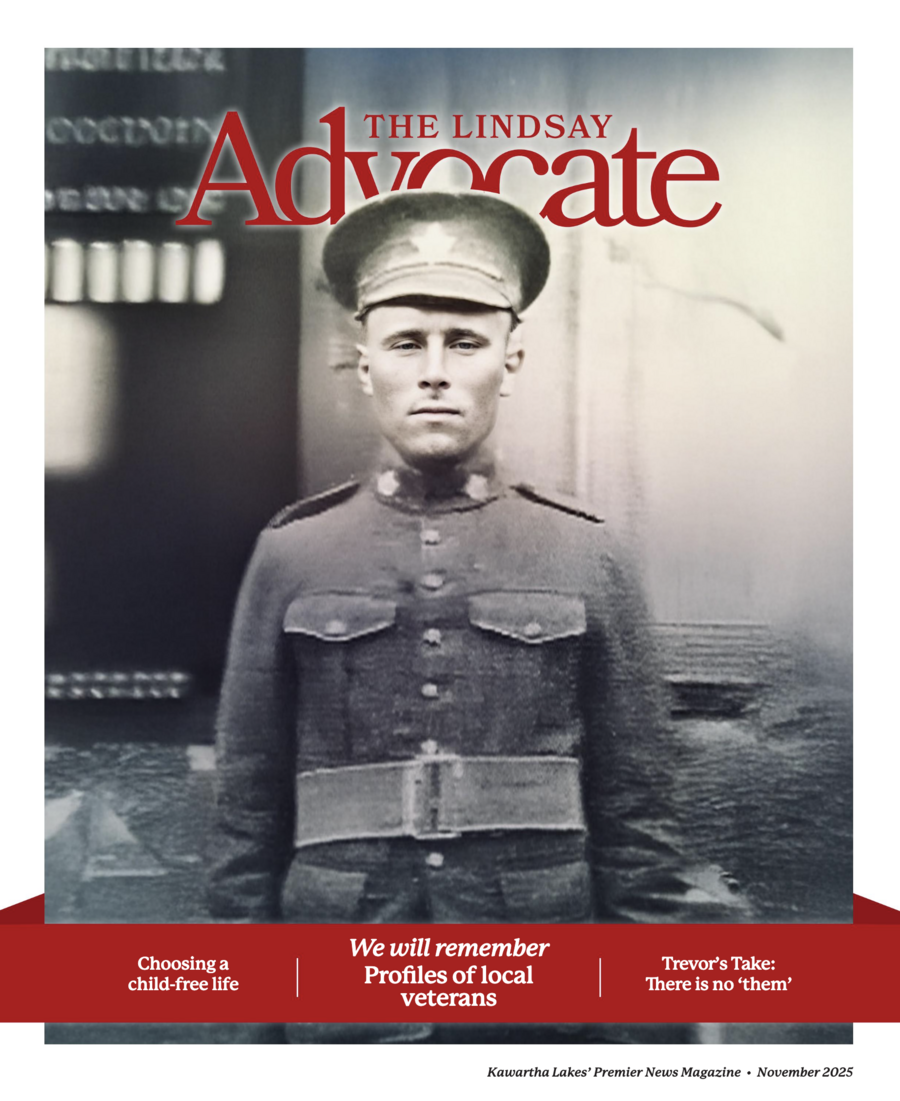
92 - Choosing a child-free life
This feature by Robyn Best explores the growing number of Canadians choosing not to have children — a shift reflected in falling fertility rates and new Statistics Canada data showing 34 per cent of people aged 15–49 have no plans for kids. Economic pressures, climate anxiety, and changing social norms all play a role, but the article focuses on the lived experiences behind the trend. All three couples interviewed describe the persistent stigma they face — from assumptions that they “couldn’t” have children to judgments that they’re selfish or will regret it. The article situates these experiences within broader demographic research showing that declining fertility is tied to urbanization, women’s education, and shifting values.

93 - How small gestures can help combat loneliness
This feature by writers Robyn Best and Ian McKechnie examines the growing loneliness crisis in Kawartha Lakes through the experiences of residents who’ve found themselves suddenly isolated. Local experts point to broader forces deepening the problem: social media replacing real interaction, shrinking community spaces, and the lingering aftereffects of the pandemic. Rev. Glenn Kukkola warns that online substitutes for connection can worsen loneliness, while Community Care’s Ryan Alexander highlights how simple supports — a meal delivery, a ride, a friendly visit — can restore a sense of belonging.
2026

94 - New immigrants in Kawartha Lakes
In our current year of publication, we kicked off 2026 with a focus on newcomers to Kawartha Lakes, who often struggle to find work that matches their skills and to feel a sense of belonging in a largely rural, homogenous community. In this feature, the Advocate identified what has become a key issue for this city in the coming years – ensuring better settlement for recent newcomers. KLHIISA, a volunteer-run immigrant support group, helps newcomers with job searches, training, and community integration, and works directly with employers to match candidates and support them long-term. Many immigrants report isolation, but KLHIISA’s events and partnerships aim to build connection and confidence

95 - Celebrating Black History
In February of this year, Kawartha Lakes marked Black History Month with events that highlighted both local stories and broader contributions of Black Canadians. The celebrations emphasized education, community connection, and recognition of Black residents whose histories are often overlooked in rural areas. As this city’s Black population grows, speakers and organizers noted that learning about Black history helps build understanding and inclusion, especially in communities where diversity is growing.

96 - Snizhanna Otych on fleeing Ukraine
In this feature length interview with Roderick Benns, Snizhanna Otych reflects on fleeing Ukraine after Russia’s invasion, leaving behind her home, career, and the familiar foods and traditions that shaped her life. Now living in Lindsay with her husband and family, she spoke about the emotional toll of displacement — the fear of war, the pain of separation from loved ones, and the challenge of rebuilding in a new country. Cooking dishes from her home country help her stay connected to her identity, even as she adapts to Canadian life. Her story highlights both the resilience of Ukrainians forced to leave everything behind, and the ongoing trauma caused by Russia’s war.

97 - From wine glass to weed gummies
The proliferation of cannabis retail outlets prompted the Advocate’s feature on alcohol vs. cannabis use. The article explores this shift in Kawartha Lakes, where some residents say gummies help them unwind without the after-effects of alcohol. Health experts note that while cannabis isn’t risk-free, regulated edibles offer a controlled alternative that some people find easier on their bodies and routines. The trend reflects a wider cultural move toward reducing alcohol consumption and experimenting with legal cannabis.

98 - Vital Signs: Wellbeing indicators
The Advocate kicks off a 12-part series by longtime former journalist Mike Puffer on the Vital Signs report – which writer Sarah Fournier first explored in October of 2025. This overview examines all 11 key indicators of community wellbeing in Kawartha Lakes, from housing and income to health, safety, education, and the environment. The findings show a mixed picture: strong community engagement and natural assets, but ongoing challenges in affordability, access to services, and economic stability. Overall, it offers a data-driven snapshot of how the community is doing — and where focused investment could make the biggest difference.
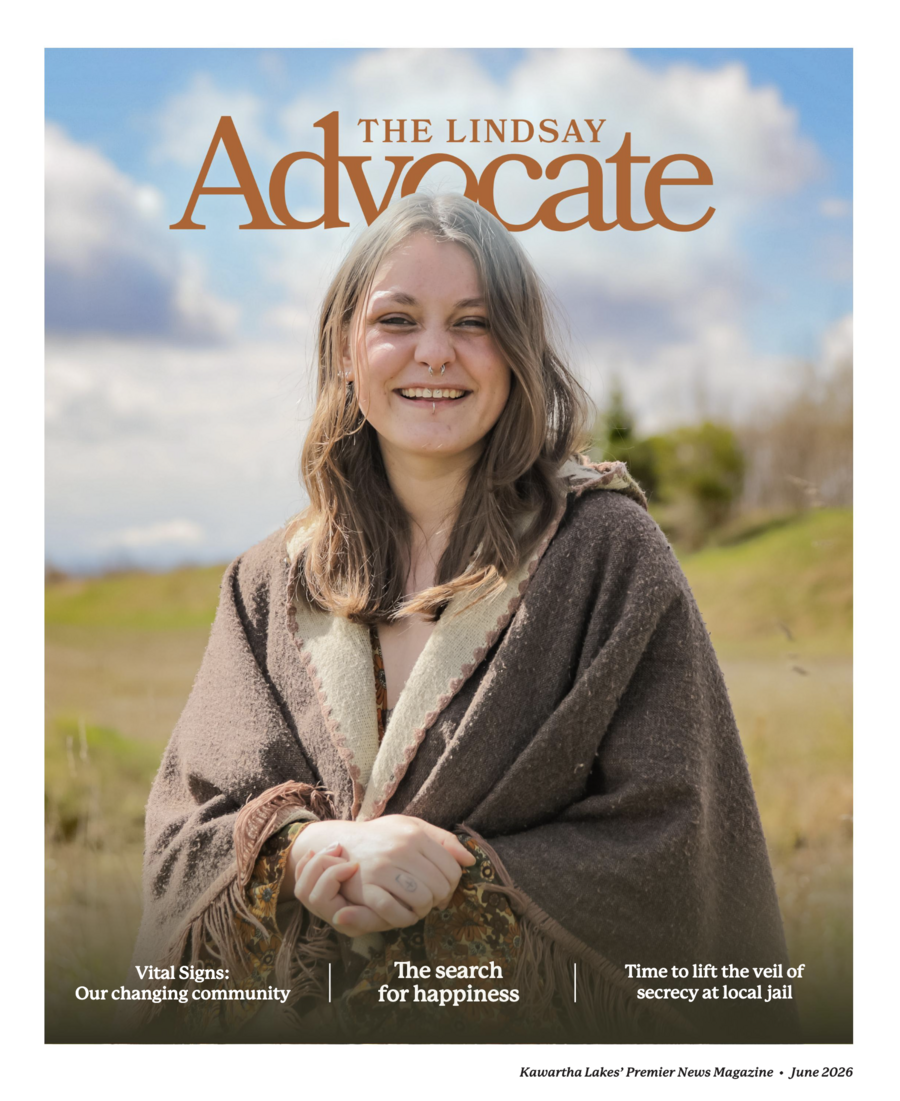
99 - Unveiling the jail in plain sight
In this hard-hitting guest feature by lawyer and guest writer Jason Ward, he explores how the Central East Correctional Centre faces overcrowding, staffing shortages, and a growing reliance on incarceration for people struggling with mental health, poverty, and addiction. His piece also raises questions about transparency and public awareness, noting that the jail shapes the community socially and economically even as it remains largely hidden from view.
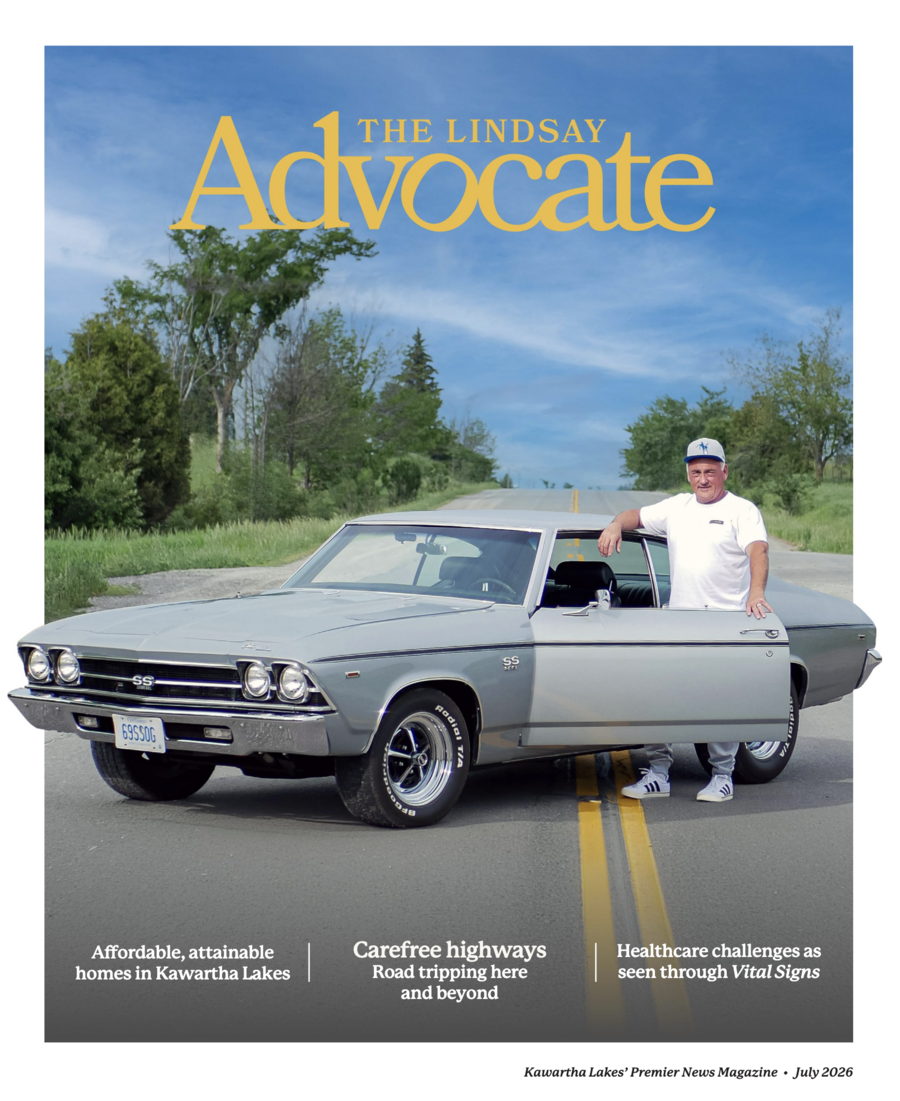
100 - Affordable, attainable homes
For our 100th issue, we turned to a familiar and important topic – housing. Kawartha Lakes is experiencing rapid growth, but housing supply isn’t keeping pace. The Foundry, Lindsay’s new eight-storey, 110-unit building opening in 2027, reflects both demand and pressure. With only 17 per cent of local housing available as rental and three per cent subsidized, the gap is widening and buildings like this are needed. At the same time, Norsemen Haus is advancing a different solution — attainable homeownership. Their Scandinavian-inspired two-bedroom homes, priced around $356,000, aim to serve middle-income residents while offering flexible options such as additional dwellings on existing properties. Both projects highlight the urgency identified in the city’s 10-year housing strategy.

101 - Manosphere
Last month, Robyn Best writes about the rise of the online “manosphere,” a sprawling network of influencers who turn male insecurity into a lucrative brand. Her piece traces how figures like Andrew Tate and his imitators package misogyny, rigid gender roles, and one‑way monogamy as self‑help — messaging that now reaches boys and young men in Kawartha Lakes as easily as anywhere else. Best shows how these narratives can shape attitudes about relationships, power, and masculinity, and why media literacy matters more than ever as we mark this milestone issue.

102 - Whoops!
Yes, that’s right. It’s actually our 102nd issue of the Advocate because of two numbering errors we made over the last nine years of producing the magazine. At least it’s clear we’re human beings and not AI. But celebrating our 100th just made the most sense. As always, thank you for reading!


Leave a Comment
Your email address will not be published. Comments are moderated.