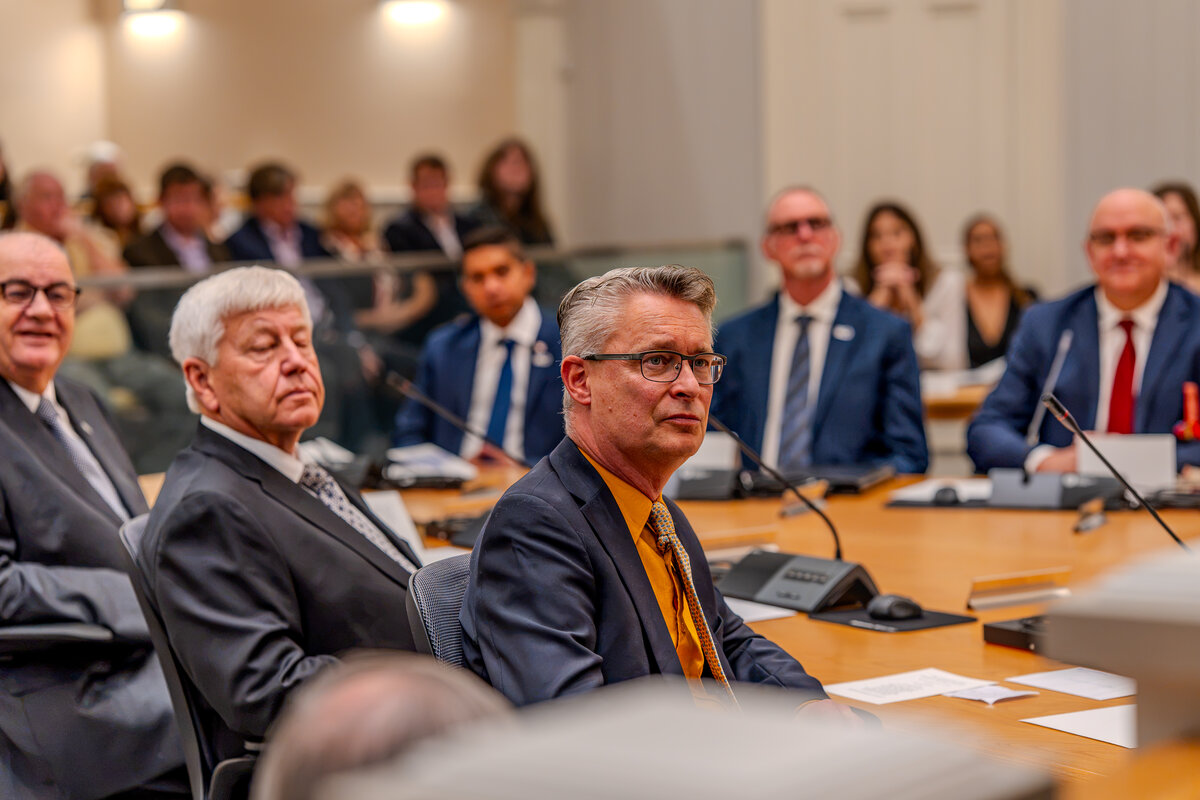
In May, Kawartha Lakes council took $300,000 out of a city reserve to help bring three new family doctors to the area.
Health care is a provincial responsibility. But recruiting doctors has become another expense the city helps cover with municipal money.
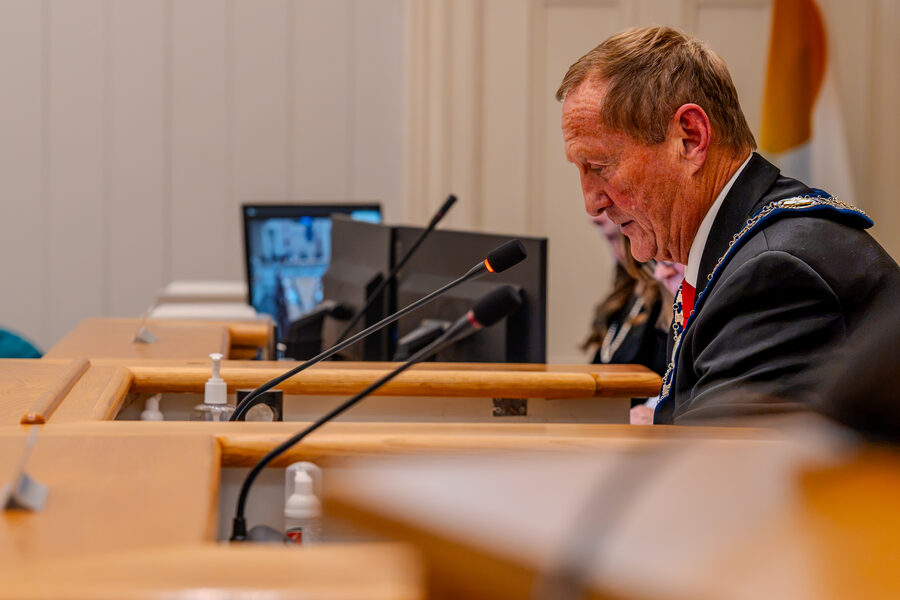
Mayor-elect Charles McDonald and the incoming council now face a broader version of that choice: how to deliver services residents need while honouring campaign commitments to restrain taxes and find savings.
Infrastructure funding remains unannounced. Federal supportive-housing plans depend on provincial operating commitments. Meanwhile, local research identifies gaps in housing, health care and transportation.
The city’s long-term financial plan assumed property tax increases averaging seven per cent annually from 2026 through 2035. Those are projections, not approved increases. Council set the 2026 increase at 5.9 per cent.
Campaign commitments face their first test
Brian Bartley campaigned against the projected increases and called for lower administration costs. Jasmine Marshall advocated increases tied closely to inflation. Mark Doble proposed incentives for departments that find savings.
McDonald emphasized value for tax dollars, infrastructure improvements and using the Kawartha Community Foundation’s Vital Signs report to inform decisions.
Those commitments leave council with questions that campaign slogans cannot settle: which savings are achievable, which improvements come first and what can wait?
The foundation’s 2026 report identifies pressures on housing, health care and transportation. Its consultations describe seniors struggling to reach appointments and a shortage of smaller, accessible homes near services.
Coun. Mike Perry, executive director of the City of Kawartha Lakes Family Health Team, brings experience in both municipal government and primary care.
Peterborough gets funding; Kawartha Lakes waits
Development charges provide a direct test of who pays for growth.
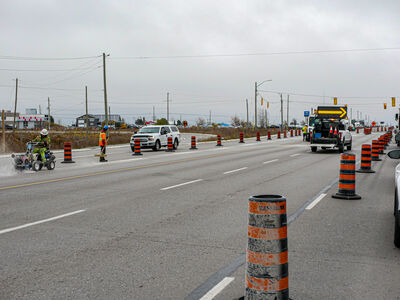
In March, Ottawa and Queen’s Park announced the $8.8-billion, 10-year Canada-Ontario Partnership to Build. Most funding flows through a program requiring municipalities to cut residential development charges by 30 to 50 per cent or more for at least three years.
In return, municipalities receive funding for roads, water and sewer infrastructure supporting housing. Development charges are fees collected from builders to help pay for growth-related infrastructure; cutting them reduces that revenue.
On June 18, Mayor Doug Elmslie issued a strong-mayor directive committing Kawartha Lakes to reductions of up to 50 per cent and authorizing chief financial officer Adam Found to apply before the June 19 deadline.
Peterborough made a similar commitment. On Nov. 9, the federal and provincial governments announced it would receive about $39.9 million.
As of Nov. 11, no award had been announced for Kawartha Lakes.
Less certainty at Queen’s Park
The Association of Municipalities of Ontario says municipalities contributed almost $5.4 billion from municipal budgets in 2024 toward services that are provincial responsibilities elsewhere in Canada, including public health, land ambulance and long-term care.
AMO has sought a provincial-municipal review of who pays for what.
Ontario says its municipal support grew from $7 billion in 2019 to $11.2 billion in 2025. But its financial outlook has weakened: the fall economic statement projects a $16.9-billion deficit this fiscal year, up from $13.8 billion forecast in the spring.
On Nov. 4, Premier Doug Ford ruled out a second broad funding agreement with Toronto, while leaving room for support on specific priorities.
On homelessness, Ottawa’s Nov. 5 budget includes $10 billion through Build Canada Homes for about 25,000 supportive and transitional homes. Provinces and territories would fund operating supports.
Ontario has not committed that money. Ottawa says it aims to reach agreements before next spring.
Transit makes the trade-offs concrete
Kawartha Lakes’ draft transit plan offers another test of council’s spending priorities.
It proposes connections between communities, citywide pre-booked microtransit and a Lindsay–Omemee–Peterborough route serving Fleming College’s Peterborough campus, Peterborough Regional Health Centre and the downtown bus terminal.
The draft estimates total annual operating costs of about $1.96 million in 2027, rising to $3.83 million in 2028 as service expands. Those figures are system costs, not the net amount local taxpayers would pay.
The budget question is how much service the city can provide, what partners might contribute and how much would fall on the tax levy.
The draft also identifies the lack of a GO Transit connection and considers service toward Oshawa.
What council can deliver
The budget will test council’s ability to reconcile tax restraint with demands for better services.
McDonald’s first budget may be settled before Ontario’s next budget, expected in March, and before federal-provincial homelessness agreements are reached.



Leave a Comment
Your email address will not be published. Comments are moderated.