

From the 5 a.m. commute to rural emergencies and gravel-road repairs, the test is whether maintenance delivers reliable roads — not simply completed work orders.
WHY THIS MATTERS
Kawartha Lakes maintains approximately 5,400 lane-kilometres of roads. Residents depend on them for work, school, farming and emergency response. Taxpayers should know the service standard council has approved, when it is met, what it costs and why results sometimes fall short.
An unexpected fifth and sixth installment
Our original four-part Kawartha Lakes Scorecard has become six. Encouraging reader feedback persuaded us to continue, and the Lindsay Advocate is delivering more than originally promised, at no additional cost.
Under promise and overdeliver. It's a good way to make people happy.
Roads warrant two instalments: this one on the service residents receive, and the next on the operating system taxpayers finance.
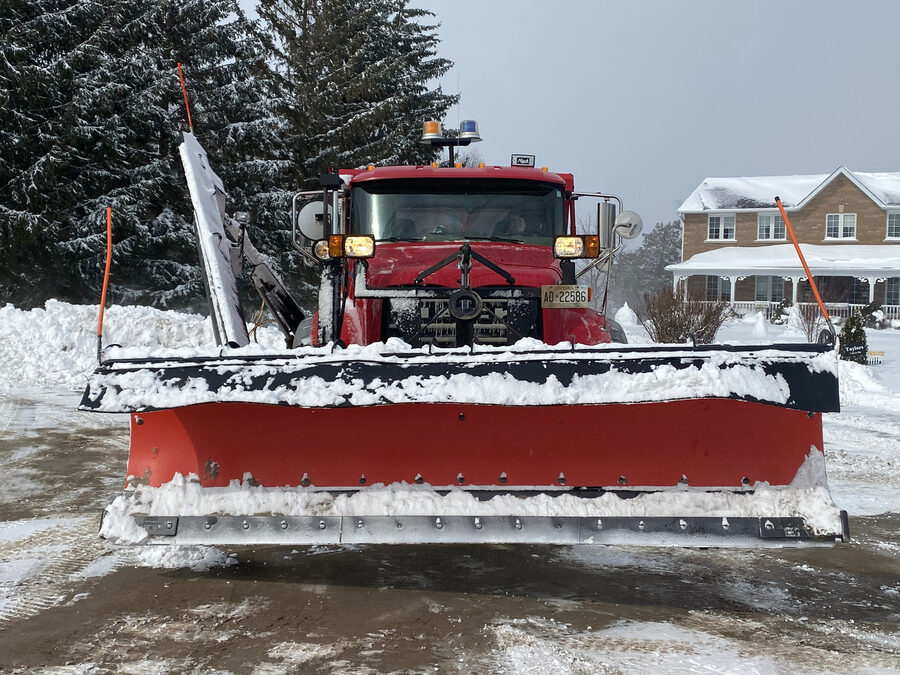
Before the first snowflake falls
The former Town of Lindsay subscribed to AccuWeather. Forecasts arrived by fax at the Public Works depot, allowing staff to prepare for snow before it began.
Manvers Township used a less formal network. On some stormy nights, roads superintendent Ross Neals received a call around 3 a.m. from a contact at the Ministry of Transportation's Pontypool yard. I remember the phone ringing at home: Ross is my father.
He would check conditions and arrange crews where needed. Porter Road and Pontypool Road, maintained by Manvers under contract for Victoria County, carried early commuter traffic. Getting ahead of snowfall helped prevent vehicles from packing it into ice.
On one occasion, Lindsay ambulance dispatch warned that a rural patient might be difficult to reach in a storm. A Manvers contracted four-wheel-drive plow cleared the road, farm laneway and room for the ambulance to turn around before paramedics arrived from Lindsay.
That story is a family recollection. Its lesson remains useful: policy matters, but so do local knowledge and the authority to act on it.
The 5 a.m. commuter test
Kawartha Lakes operates more than 70 plow routes. The city says operations typically begin at 4 a.m. and some routes take up to 10 hours. That describes the system, but not when a particular road receives its first treatment.
Many people commuting to Oshawa or Toronto leave around 5 a.m. Ski Hill Road, Porter Road, Simcoe Street, Ramsey Road, Eldon Road, Portage Road are among the many corridors worth examining. The priority network should be chosen by traffic, emergency access and exposure to winter hazards — not simply by complaint volume.
Should designated corridors receive an initial effective plow or traction treatment by 5 a.m. when forecasts and conditions reasonably permit?
The target would not promise bare pavement during active storms. A sudden 4:50 a.m. freezing-rain onset differs from overnight snowfall forecast hours ahead. Yet early treatment can prevent traffic from compressing snow into hard pack that is much harder to remove.
Kawartha Lakes already forecasts weather, patrols roads overnight and permits operational decisions under its winter policies. On Dec. 28, 2025, the city announced advance mobilization ahead of freezing rain. That is evidence of planning, and it deserves recognition.
But what happened on individual priority roads? A public scorecard could show forecast time, actual storm onset, crew callout, first effective treatment, cost and the percentage of priority-route targets achieved, with explanations for exceptional weather or equipment problems.
Conditions differ across the municipality. Wind direction changes drifting; exposed higher roads in Manvers and Somerville may freeze before sheltered ones; and open lakes can influence localized snowfall. Experienced supervisors need discretion to redeploy crews, while council needs evidence that those choices meet the service standard.
Former provincial highways now maintained municipally deserve the same evidence-based review of overnight monitoring and rapid treatment. Higher standards may cost more; the city should calculate that cost alongside the public benefit.
Emergency access is a road-service outcome
The Manvers ambulance story raises a current question for farms and all-season cottages, including homes reached by private roads or long laneways. What winter access protocol already joins public works, paramedic services and local contractors? How quickly can assistance be dispatched when an ambulance may encounter deep snow?
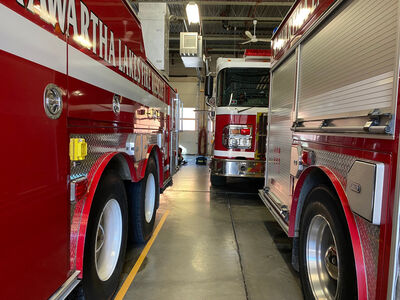
Rural structure fires add another risk. Heavy tankers may shuttle water between a fill site and the fire. Spilled water can freeze on the route, threatening firefighters, apparatus and other motorists. A properly equipped plow and salt/sand truck could support safe access and continued tanker operations where conditions warrant.
Automatic tiered dispatch of public works with paramedic and fire seems prudent during winter storms to remote locations.
Not every call needs a plow. Dispatch decisions must be coordinated, and private-property access, staffing and response delays must be addressed. The city should first publish what arrangements already exist, then test whether they are fast and reliable enough.
Good gravel roads require more than grading
Winter is only half the maintenance job. The city's 2021 Road Needs Study identified approximately 895 kilometres of gravel roads. Many will remain gravel for generations, and a well-built, well-maintained gravel road can provide excellent service.
A quick grader pass can hide washboard for a time. A more thorough job, when material and conditions permit, removes corrugations, restores crown and opens drainage. An experienced operator knows where another pass is necessary — and recognizes wet spots or repeated failures that may indicate a weak road base.
Does that field knowledge become an engineering repair, or does the same section keep receiving gravel? Ditching, culverts, brushing and dust control matter as much as the surface dressing.
The city's 2017 engineering report identified approximately $4.6 million in gravel-road rehabilitation needs and cautioned against resurfacing without fixing underlying deficiencies. The city has also reported fewer dust complaints and grading requests under its calcium chloride program. Both the diagnosis and the improvement deserve acknowledgement.
A durable-roads scorecard would publish grading cost per comparable kilometre, repeat maintenance, drainage defects corrected and road condition after treatment. It should also update the 2017 rehabilitation backlog.
Where repeated grading, gravel and dust control become expensive, tar and chip or asphalt may warrant a lifecycle comparison. But paving over a weak, wet foundation can turn an inexpensive maintenance problem into a costly reconstruction.
A closed request is not the outcome
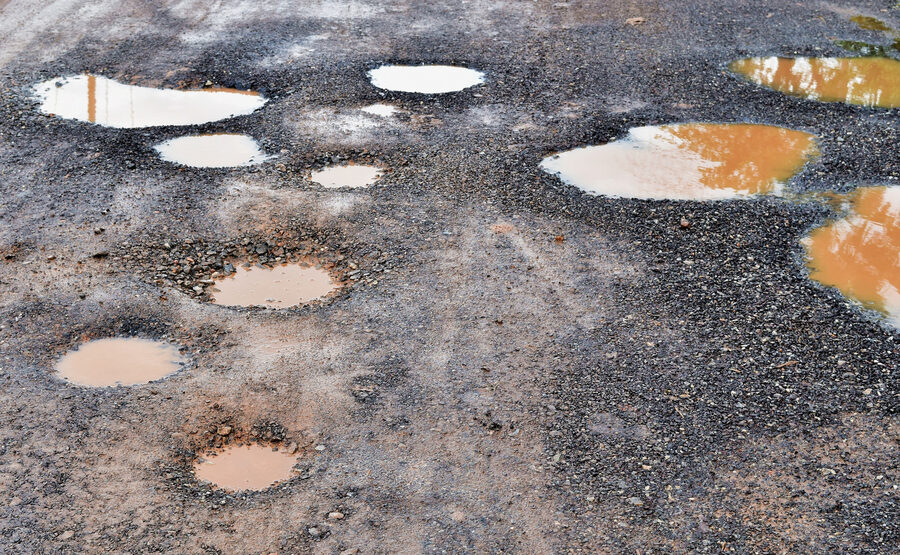
The same principle applies to potholes. Ontario's minimum standards set repair deadlines according to road class and defect size. A closed work order tells taxpayers that a task was recorded as complete. It does not tell them whether the patch lasted or why the same hole returned.
Council's Roads Task Force has already recommended clearer handling of resident concerns and better road-condition information for councillors. Kawartha Lakes also publishes Municipal511 updates and a customer-request dashboard. These are useful starting points. Peterborough's public plow map shows how recent road-treatment activity can also be made visible.
The next step is to publish both the target and the outcome — including repeat repairs, response times and cost — rather than treating the number of completed tasks as proof of good roads.
Three questions for the 2026 municipal election
Will you require a measured early-treatment standard for objectively selected commuter and emergency corridors, with storm-by-storm reporting and enough discretion for supervisors to respond to local conditions?
Will you require fire rescue, paramedic services and public works to publish and assess winter emergency-access protocols for rural homes, all-season cottages and fire tanker routes?
Will you require a public scorecard of pothole durability, gravel-road condition, drainage repairs, maintenance backlogs, service costs and outcomes from the Roads Task Force recommendations?
Measure the result, not just the activity
This is not criticism of employees working long shifts across a large, difficult road network. Council sets service expectations. Management supplies the resources. Trained workers apply judgment and skill.
The public needs to know whether that combination works.
A plow leaving a depot is an activity. A commuter reaching work, an ambulance reaching a patient and a gravel road remaining sound are the results.
Next: Part Six examines whether the depots, employees, contractors and aggregate supply behind those results deliver the best sustainable value.



Leave a Comment
Your email address will not be published. Comments are moderated.