
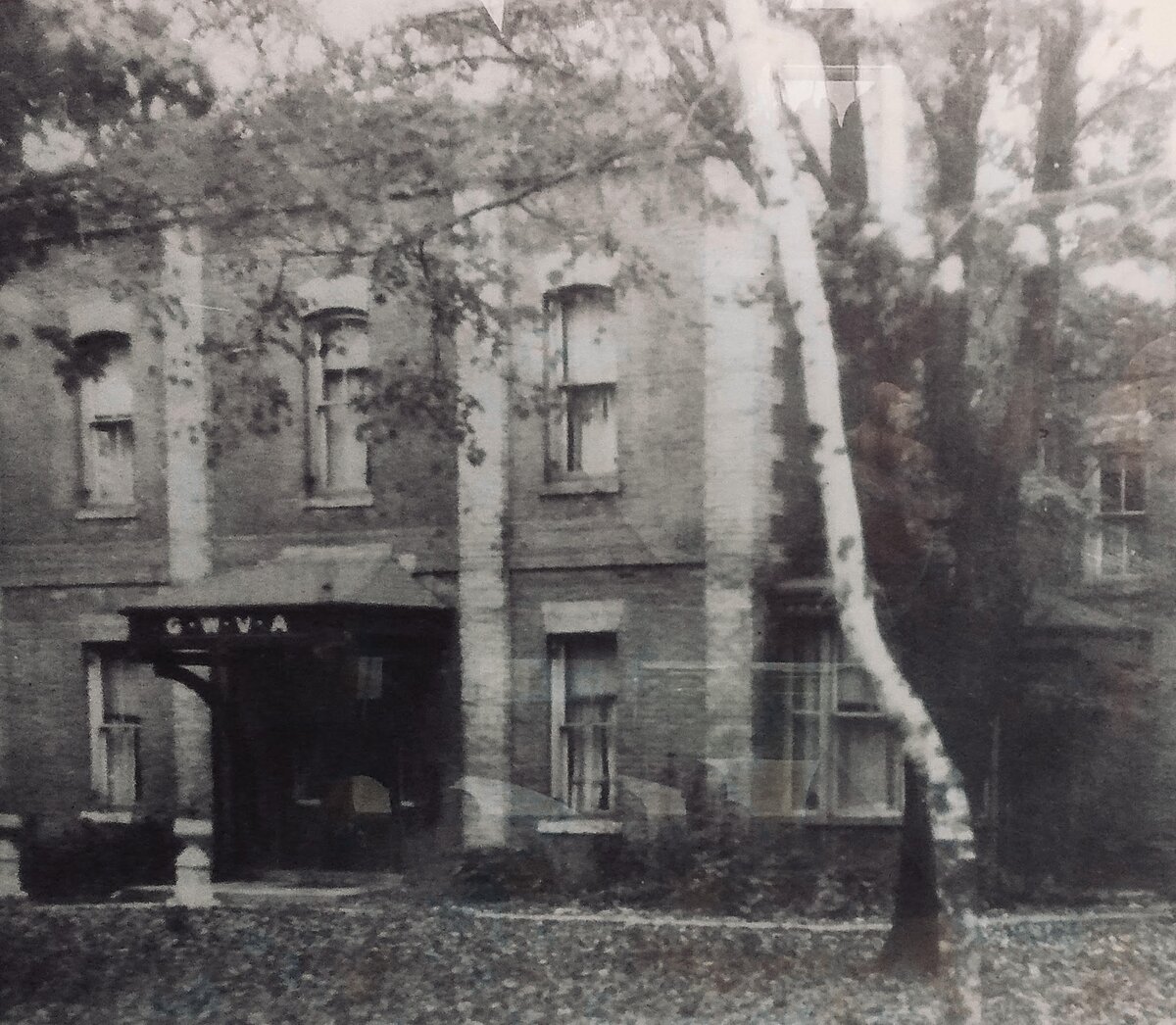
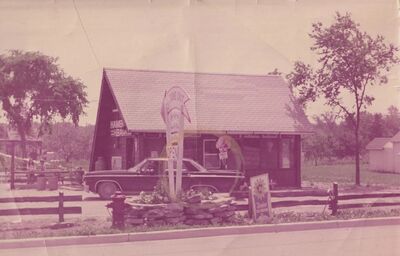
Cover Image: The McDonnell House-turned-Great War Veterans’ Association headquarters at 12 York Street, as it appeared prior to 1926, when the G.W.V.A. was succeeded by what is now called the Royal Canadian Legion. (Royal Canadian Legion Branch 67 collection.)
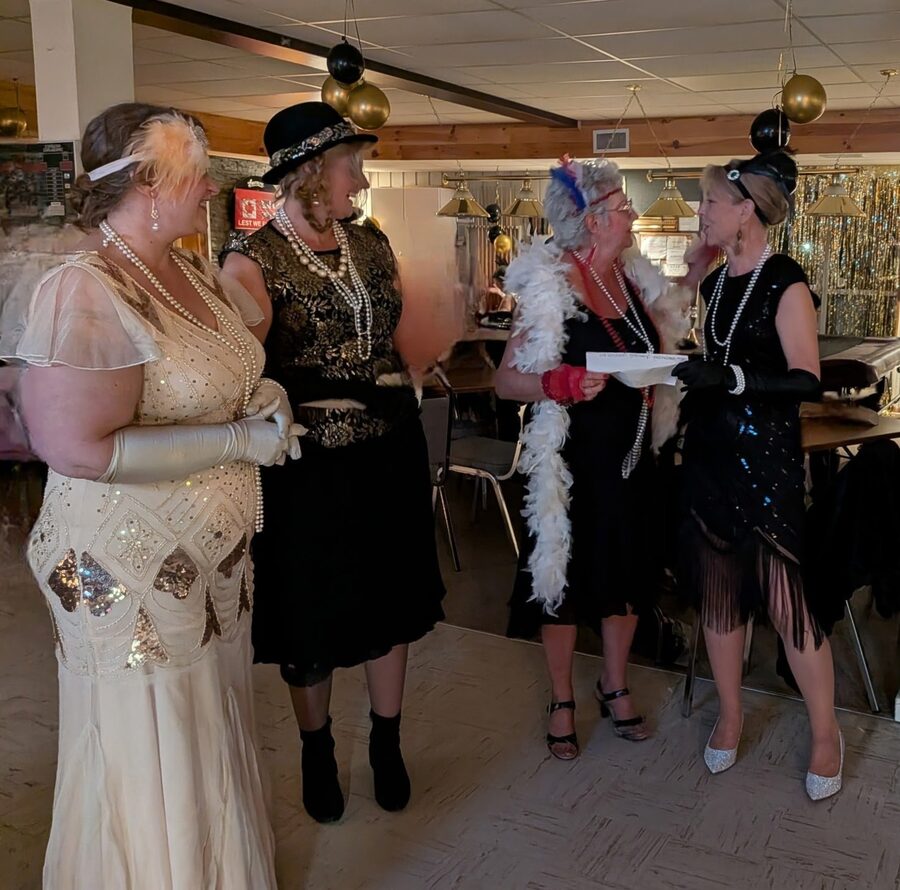
On Saturday Oct. 3, 2026, the Royal Canadian Legion’s canteen at 12 York Street was abuzz with the din of merrymaking and music as Branch 67 celebrated its centennial with a “Roaring Twenties Speakeasy” party. Guests in era fashion enjoyed conversation over charcuterie boxes, gregarious conversation, and assorted cocktails beneath dimmed lights downstairs.
During normal operating hours, visitors to the canteen might see Legion members playing darts or chatting about current events over a cold beverage at the various tables. Upstairs, meanwhile, the spacious Vimy Room has long been a popular event venue for the community.
But as one passes through the various rooms at the Legion hall, there are subtle clues about its origins that are hard to miss. The creaking floors, high baseboards, and narrow staircases are indicative of domestic architecture – for that’s exactly what it is. Buried beneath a myriad of additions, renovations, and upgrades is the once-stately home of “Squire” William McDonnell. The tale of how this building metamorphosed into the space we take for granted today is a fascinating one, fraught – unsurprisingly – with the all-too-familiar politics over what to do with a surplus property.
Born in Ireland in 1814, McDonnell trained as lawyer, owned a tannery, and perhaps most famously made his name as a poet and author. He went on to serve as Mayor of Lindsay in 1864. Overlooking the Scugog River, his red-brick house was almost perfectly square in design, sporting both a wraparound porch and a belvedere on the roof. It was probably constructed not long after the great fire of 1861, and would remain in McDonnell’s hands until at least the end of the 19th century.
“Squire” McDonnell died in 1900, and records indicate that the property had by 1913 fallen under the ownership of John Carew. Two years before that, however, there was chatter in the local press about converting the old house into what today we might call a community centre.
In a Nov. 14, 1911, letter to the editor, Mayor Robert Maw Beal – who was noted for his progressive thinking – urged his fellow citizens to think about the possibilities. Beal’s proposal would see the building transformed into “a municipal building, with auditorium, lecture room, reading room, smoking rooms, rooms for games of various kinds; a place of appointment, in short, a first-class place generally for the citizens as a whole, both men and women, and also the boys and girls.”
Long before the concept of after-school youth drop-in programs, this municipal clubhouse scheme would fill an important void in the community: “We have been very fast in driving the kiddies off the streets, and also forbidding young men to congregate on the streets, but we have been mighty slow in providing places for them to go,” Beal noted in his letter. And the editorial board of The Lindsay Post concurred: “We owe it to our young men to provide them with wholesome and beneficial quarters,” it argued on Nov. 17, 1911. “They are to be the future citizens of our town, and any effort that we can contribute to make them worthy citizens is time well spent.”
A few years later, the young men being addressed in this editorial were on their way to serve in the trenches of battle-scarred Europe – and while they were overseas, the battle over what to do with the McDonnell house carried on in the council chambers and newspaper columns of Lindsay. In 1914, an anonymous “ratepayer” questioned the wisdom of spending money on civic projects like a municipal clubhouse: “Would not the money spent in refitting the McDonnell house be needed to continue the work of bettering the condition of the muddy streets?” Local aldermen inevitably raised eyebrows about the costs associated with such a project. “I will furnish the coal for the first year,” a doggedly determined Mayor Beal assured the skeptics, adding that “The ladies have already volunteered to lend their aid towards furnishing it.” Alderman Chambers was unconvinced. “Let those who want it fix it up, and the town give it for a small rental.” “Rent it to me and I will take it,” Beal shot back.
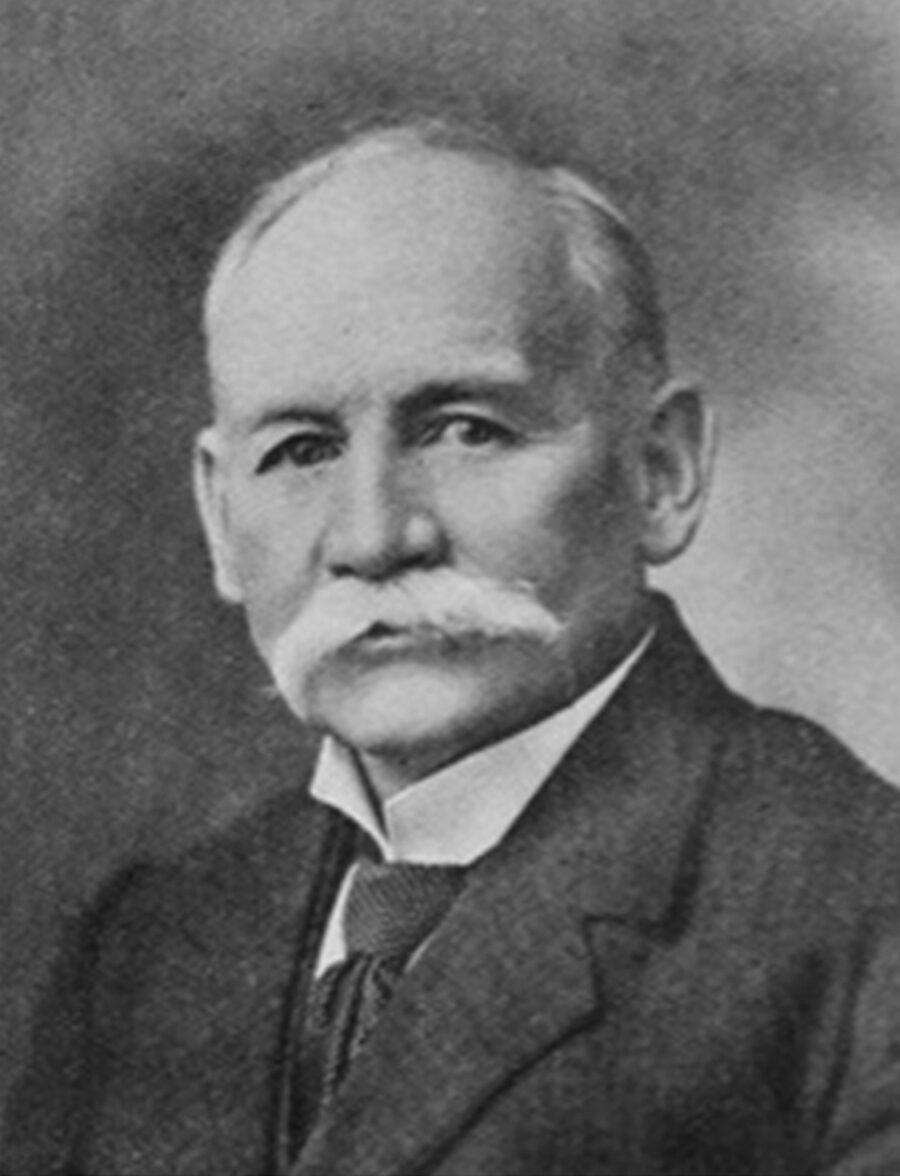
Beal changed his tune slightly in 1915. With the war in full swing, he suggested that the McDonnell house be set aside for use by the 109th Battalion for reading and recreation purposes. By 1916, conversations around the building – which by this point had passed from the Town of Lindsay to John Carew, via James Healy and I.E. Weldon – had expanded to include suggestions about remodelling it into living space to help address that year’s housing shortage (described in the Sept. 2026 issue of the Advocate). Others continued to argue that the whole pile should be demolished because “the house is too far gone to warrant the expenditure of money in remodelling it.”
The Great War Veterans’ Association (G.W.V.A.) had other ideas. By the end of 1918, it was using the house as its headquarters (despite sustaining occasional vandalism from local youths). The G.W.V.A. was succeeded in 1926 by the Royal Canadian Legion, which in 1948 and 1961 renovated the building into its present appearance. Although it wasn’t quite what he envisioned, Branch 67 has admirably fulfilled Beal’s dream of transforming the McDonnell home into a clubhouse.

Leave a Comment
Your email address will not be published. Comments are moderated.