
In Kawartha Lakes, the work of a non-profit can come down to a stubborn kind of math: how to stretch a grant that only covers a project, a fundraiser that may not break even and a community need that keeps growing.
For rural organizations trying to run art programs, youth mentorships and everyday services, the challenge is not finding people to help — it is finding enough stable funding to keep the doors open.
Susan Taylor, executive director of the Kawartha Art Gallery, said they receive no funding from the provincial or federal governments. She does note that the municipality gives them funding. “We’re very fortunate to get the level of municipal funding that we do, and our municipality has had the foresight to have an operational funding model in place for the recognized cultural organizations in Kawartha Lakes. That’s not something all municipalities do.”
Taylor said this funding is what helps the gallery be able to pay for their day-to-day operational expenses.
She said applying for grants to secure funding is not as simple as it seems. There are grants available, however many of them are project based, and they’re also in high demand. “The amount of organizations applying for those funds has grown (but) the funds haven’t.”
“It’s really a gamble (applying),” Taylor said.
Taylor said the issue of funding in a rural area like Kawartha Lakes isn’t unique to the gallery. “It makes me concerned about not-for-profits within our community (that) are working to provide a level of service that our residents deserve, how (are they) going to be able to continue in any capacity with a provincial and federal government that don’t understand the need of rural communities.”
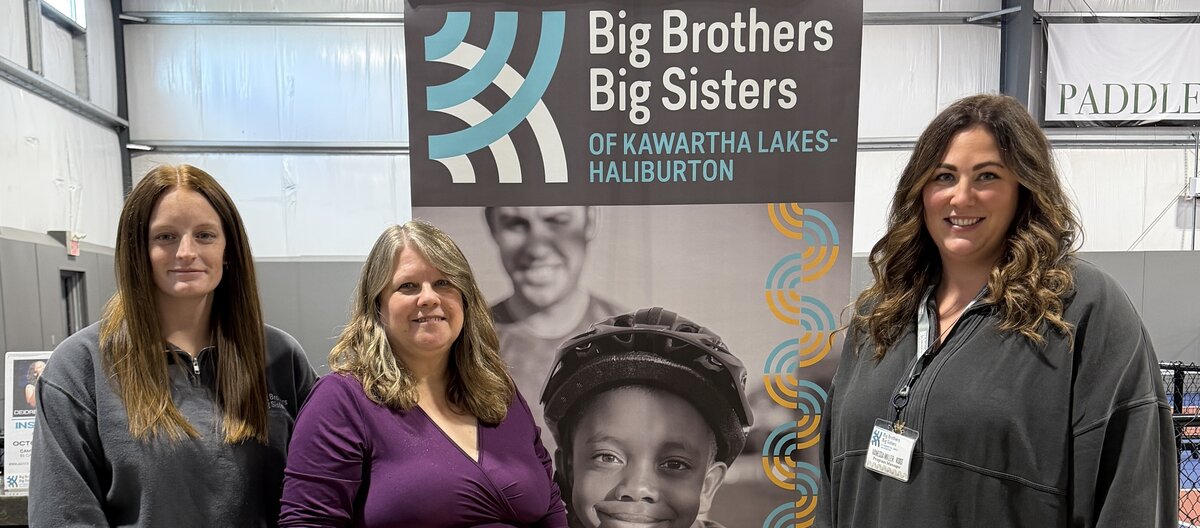
Janice Balfour, executive director of Big Brothers Big Sisters Kawartha Lakes and Haliburton, said the organization gets less than $5,000 per year of funding from the government, through an agreement the national organization has with the Ministry of Education.
The organization offers a variety of opportunities for youth in the community, including a summer camp, and it’s mentoring programming, matching youth in the community with a mentor. Balfour said she has dream programs she wants to offer but can’t with the budget they currently have.
“A living wage would be nice to be able to pay the staff, because none of us make a living wage, including myself,” Balfour said, noting that most staff, including herself, have second jobs. No one is able to work more than 20 hours a week at the non-profit.
“I would love to be able to expand the number of kids that we can put into matches and be able to support them better,” Balfour said. She would also like to introduce a tutoring and an afterschool drop-in program.
Gallery’s new location
The gallery will soon be moving into their new location at 19 Cambridge St., Lindsay and Taylor hopes the move will show residents they offer more than just artwork on a wall. “We’re really going to be expanding our offerings to the community in exhibits, in events, in programming, to really maximize the return from being in that space. There’s no challenge for us in meeting the need. The challenge for us is the funding support.”
One of the program she’s most proud of is the gallery’s “seniors for seniors” program. This sensory-based visual arts initiative brings practicing senior artists into long-term care homes, delivering engaging and inclusive workshops that foster creativity, connection, and wellbeing among participants. The program is designed to promote social participation, reduce isolation, and strengthen community ties through shared creative expression.
The program began as a monthly offering, but they’ve recently expanded it to once a week. The gallery pays the guests artists for their time, and after hearing other communities, like Peterborough, wanting to bring the program to their own long-term care homes, Taylor applied for a grant. It was denied.
When it comes to grants, they’re often for new projects, something Taylor says makes it harder to apply for them. “You may have a really successful program, but there’s no security that the program is going to be able to continue, because where are you going to get the money when that position is done?”
Balfour echoes this sentiment. “If you can’t have a good, strong core program, running new programs doesn’t help.” Even if they get a grant, “you have to implement that new program. It’s all the paperwork; it’s the tracking of the dollars; it’s reporting back to the granter.”
The organization currently operates on a month-to-month basis, and they often end their year in a deficit. “We’re very fortunate that our space is donated, so we only have to pay our utilities, but we still have to keep the lights on,” Balfour said.
If they were forced to close, shesaid the effects would be devastating. “I don’t know that (the youth) would have that one-to-one support anymore. There really isn’t anybody else in the community that does one-to-one mentoring in the style that we do.”
Balfour has found that support from the community has been down in recent years, with some of their fundraising events having to be cancelled, with the time and effort to run the events not resulting in any real dollars for the agency. For example at press time, the organization had to cancel an upcoming charity golf tournament due to lack of registration.
Balfour said aside from monetary donations they take donations of board games, snacks for their summer camp, and tickets to events for mentors to go to with their mentees.
Even small monthly donations add up. Ten dollars a month is half of an intake throughout the year, which Balfour said makes a real impact. “Without our community support, we wouldn’t be here. That would mean that over 50 kids in our community wouldn’t have that caring person in their life to support them.”
Taylor said the gallery is a place people enjoy, and it helps add to the economy. Her hope is people will start to have conversations about the importance of the gallery, and other non-profits to help bring a change to how funding is given. “If a sector really matters to (residents), talk with your elected officials. Ask them about their commitment to developing it.”



Leave a Comment
Your email address will not be published. Comments are moderated.