
Say you have a budget for the year and spend everything you have in seven months. Then, to get by, you rack up credit card debt.
Earth Overshoot Day shows us we’ve been doing that for decades. Last year overshoot day fell on July 29. In the preceding seven months we had “spent” all the earth’s natural resources that can be replenished in a year. After that day, humanity was into “environmental deficit spending.” Basically, we’ve been borrowing from the kids.
But that date is based on a global average. If everyone consumed like Canadians or Americans, overshoot day would fall on March 13. Ouch!
Many of us know we have too much stuff. That’s why de-cluttering guru Marie Kondo’s book shot to bestseller status a few years ago. One solution is to stop the clutter at the source. Before opening that wallet, we could ask ourselves: Do I really need this? How often will I use it? As Kondo says: Does it spark joy?
We can also shrink our environmental footprint by following some of the many “R”s – not just reducing, but remaking, repairing, reusing.
Reuse: We all know about reusable mugs, shopping bags, and cutlery. Then there’s the wealth of second-hand items at local thrift stores or the Restore.
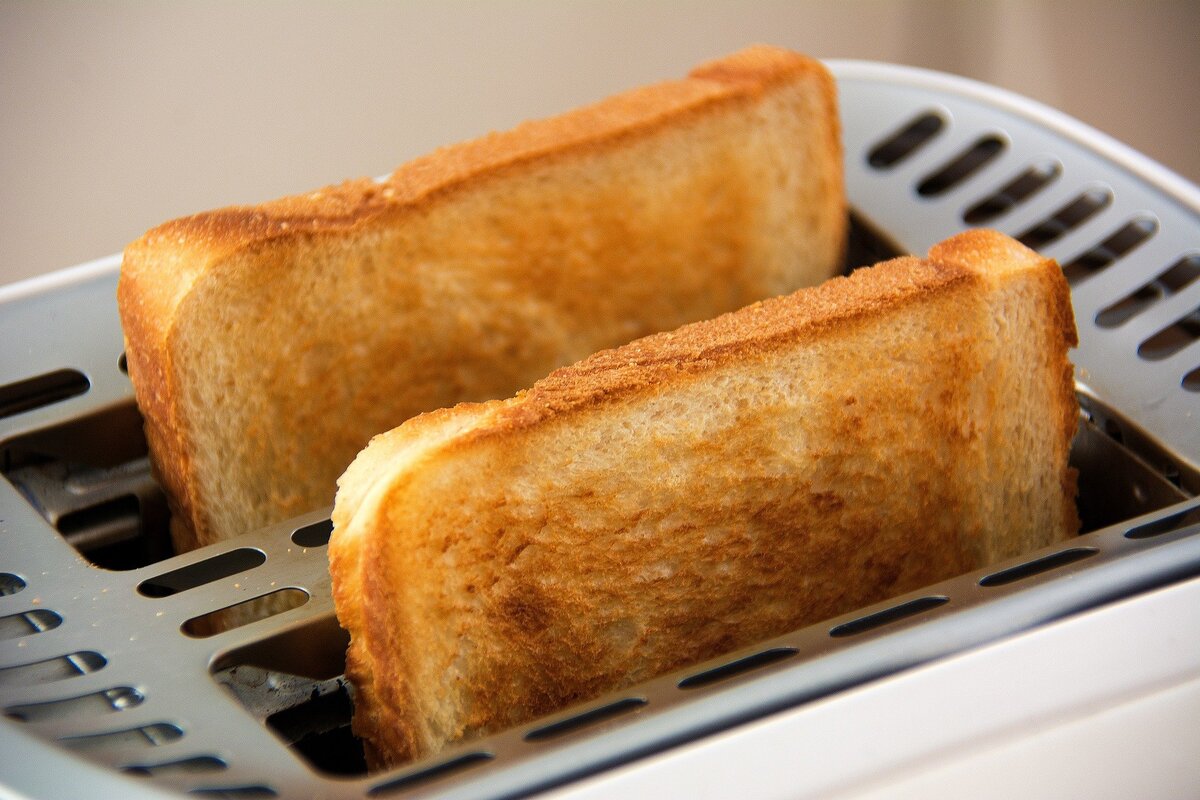
But we can also work hard to keep used items going. Three years ago we needed to replace our plastic toaster – it had melted around the slots. I was shopping for a metal one when I acquired my mother’s Sunbeam Radiant Control toaster (circa 1980), previously owned by her mother. Online these toasters are hailed as among the best ever made. Lesson: Over time, quality saves money.
Repair: When I brought that toaster home there was a revolt because it had a habit of charring everything. But YouTube came through. A video outlined how to adjust the internal thermostat and voila – it’s still in use. If that didn’t work I was heading to the closest appliance repair shop.
The same goes for clothes. When the zipper broke on my favourite jacket I turned to a local tailor to replace it.
Remake: My sister impressed me to no end when she followed directions for remaking low-rise jeans so the waist is much higher. She didn’t need to buy new jeans and the old ones didn’t go to the landfill.
Actions like these can save money as well as the earth’s finite resources. And increase business for repair shops.
Sometimes it seems impossible to repair an item. A friend of mine needed a gear for his paper shredder, a part that was never available. He took it to Pinnguaq Maker Space in Lindsay where they used a 3-D printer to manufacture the part for him.
Nationally, we can support Right to Repair legislation like Bill 272. The federal bill would make it much easier to fix our smart devices. Unfortunately, a broader Ontario bill that would have required tech companies to make spare parts and manuals available was shot down. Our legislators argued it was against Ontario’s “Open for Business” policy.
But we need the right to repair on a finite planet. These days my least favourite phrase is “It’s cheaper to replace it.”
Not so cheap for the kids who will have to pick up the tab for our environmental debt.




4 Comments