
When my husband retired, he needed a project and our house needed an energy upgrade. At the time, both the federal and provincial governments offered rebates for installing energy-efficient windows and doors, or adding insulation, so he did all of the above. Then we messed it all up. We installed a high-efficiency gas furnace.
Why was that a mistake? Because it replaced our 23-year-old electric heat pump and backup electric furnace. Our energy rating for the house before the reno was 72 out of 100.
After doing all this work? The same — all because of that polluting gas furnace.
Natural gas, like coal or oil, is a fossil fuel. When it is burned, it helps heat up the planet.
You can argue that at least fossil gas burns cleaner than oil or coal. True. But since it’s mostly methane, gas is nasty when it leaks. Methane is a much more potent greenhouse gas than carbon dioxide.
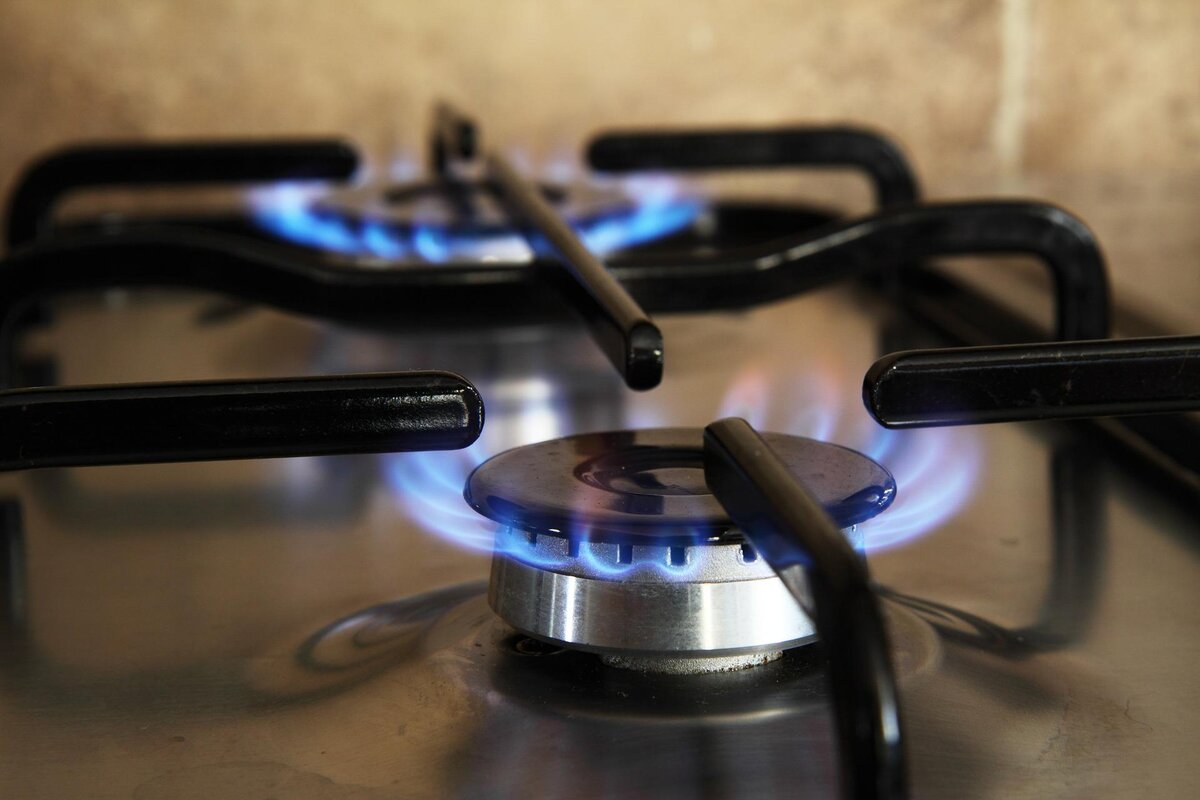
At one time, I actually wanted a gas stove. But along with that flame comes more toxic indoor air. Increasingly, studies show that houses with gas stoves have higher levels of carbon monoxide and nitrogen dioxide (N02). Higher N02 levels increase asthma in kids, among other health problems. In January an editorial in the New England Journal of Medicine recommended that new gas appliances be removed from the market.
We know we have to end our love affair with fossil fuels and reduce emissions, including from heating and cooling buildings. In Ontario, our homes and businesses are our third-largest source of pollution.
For their parts, jurisdictions including Quebec, Vancouver and New York City are already moving to ban the use of gas and oil in all new buildings, with most eventually extending the ban to replacement furnaces.
Last May the International Energy Agency recommended bans on fossil fuel-powered heating systems, saying the path to net-zero means all electricity grids must be fossil-fuel free by 2040. (Net zero refers to the balance between the amount of greenhouse gas produced and the amount removed from the atmosphere.)
Unfortunately, Ontario is going in the opposite direction by dramatically expanding natural gas use. In 2017, as little as four per cent of our electricity was from fossil gas. In 2020 it was about seven per cent. By 2040 projections show 25 per cent of Ontario’s power will be from dirty natural gas.
What we can do:
- Tell our provincial politicians we want to leave a healthier province for our kids by increasing the amount of power from renewable energy and storage, cheap hydro power from Quebec and at the same time increasing a focus on energy conservation.
- When replacing home heating systems, water heaters or stoves, consider electric. Heat pumps provide both heat and lower-cost air conditioning in one unit. An induction stovetop can boil water faster than gas and uses less electricity than regular electric.
- To reduce the initial expense, we can encourage our provincial government to offer rebates for such things as heat pumps, and to help municipalities offer low-cost loans for their purchase, paid back on the property tax bill. Halton Hills near Toronto just embraced this idea. So have Saskatoon and other communities.
On Feb. 28, the United Nations issued its bleakest warning yet on climate breakdown and the dire need for immediate action.
It’s definitely time for Ontario to change direction and get less gassy.




2 Comments