
By David Rapaport
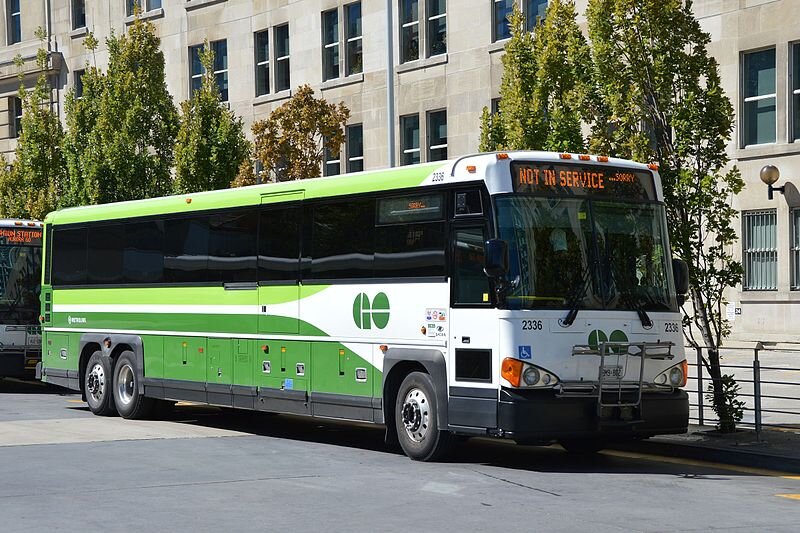
The map of the GO bus service in our region is a surreal portrait of public transit dysfunction for Kawartha Lakes. The 88 GO bus departs Peterborough to the Oshawa GO train station 12 times daily. The 81 GO bus has two return trips every day between Beaverton and the Whitby GO train station. The five most northern towns on that bus route: Port Perry, Greenbank, Sunderland, Cannington and Beaverton have a combined population of about 18,000. Poor old Lindsay, with a population of just over 20,000, has no regular regional public transit to connect it to other centres.
We should not be forced to jump into our cars to access the GO and Via Rail systems that hug Lake Ontario between Kingston and Toronto. It is possible to make the 35-kilometre trip (one-way) to the 35/115 GO bus drop-off station to pick up the 88 GO bus. But how prudent or efficient is that?
There are three persuasive reasons why our area should have better access to the GO bus system. First, driving is becoming more expensive. This is evident to any driver who recently filled up. Nonetheless, here’s one relevant example. Assuming (generously) that your car gets 100 kilometers per six litres and that the price of petrol is $1.50 a litre; a round trip to the 35/115 GO bus drop-off from Lindsay is about $9. Making matters worse, the maximum park time is two days.
–Second, Lindsay is getting older. Not just the city, but the population. Our beautiful town and its surrounding areas are a popular retirement destination for seniors fleeing Toronto (including yours truly). According to census data from Statistics Canada, 36.5 per cent of Lindsay residents are over 60 as opposed to 25 per cent for all of Ontario. That discrepancy is heightened for the 80-plus demographic; 10 per cent for Lindsay, 4.5 per cent for Ontario. Once we reach 80, driving becomes more difficult. Does that add to the immobility of our 80-plus neighbours? Do they become more dependent on the goodwill of others or on an expensive taxi ride to Peterborough or elsewhere? Yes, yes and yes.
–And third, there’s the Environment. The absence of regular regional public transit forces us to use automobiles to go anywhere. As I pointed out in a previous Advocate op-ed, climate change is a real existential threat to our lives, particularly to our children and their children. All of our economic and transportation strategies must include the reduction of greenhouse gas emissions. Studies show that public transit is far greener than the private use of cars.
This area is not an island. Many of us work, study, access health care, and visit family and friends elsewhere. For our less fortunate neighbours, those with lower incomes and fewer resources (i.e., no car) they are stuck. Lack of mobility is a major deterrent to exiting the poverty trap.
Fortunately, Kawartha Lakes is currently developing an Active Transportation Master Plan, scheduled to be complete by March 2023. Let us hope that it breathes new life into developing regional transit options. Let us hope that the new council and the new mayor finally bring those buses to Lindsay. That would be a significant legacy.
--David Rapaport is a Lindsay resident and instructor at Trent University.
15 Comments