
At a glance:
The challenge: A fragmented healthcare system where patients and providers don't always have easy access to the same health information
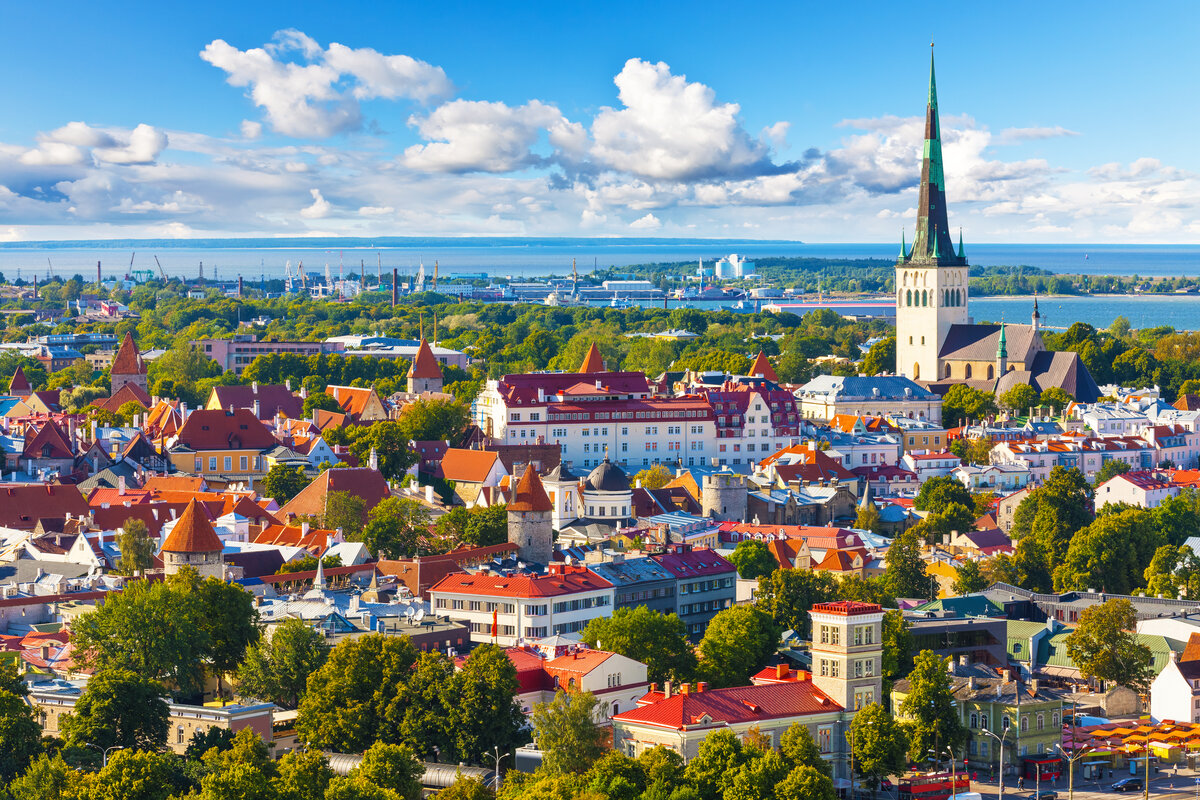
The country that can help: Estonia
Summary: Ontario has invested heavily in digital healthcare, but patients can still encounter a system in which information is spread among different providers and institutions.
Solution: Estonia's national electronic health record brings information from different healthcare providers together so patients and authorized healthcare professionals can access it through a common digital system. Every patient who has visited a doctor has a countrywide digital health record.
Healthcare that talks to itself
One of Ontario healthcare's most frustrating shortcomings is also one of the least dramatic: information doesn't always follow the patient as seamlessly as it should. A family doctor, specialist, hospital and pharmacy can each be part of someone's care, but navigating records and results across the healthcare system can still put a burden on patients and providers.
Estonia offers a glimpse of what a much more integrated system can look like.
Its nationwide electronic health record brings information from different healthcare providers into a common system. The information can originate with providers using different systems, but it is presented in a standardized format. Doctors can access patient records and test results, including medical images from other hospitals, while patients can see their own health information online. Estonian e-Health Records says every patient in the country has a countrywide digital record.
Prescriptions are part of the same digital approach. Estonia uses a centralized electronic prescription system in which prescriptions are sent electronically to a prescription centre rather than relying on a printed prescription. Patients can see their prescriptions in the country's health portal, and digital prescriptions can be filled at Estonian pharmacies and e-pharmacies.
The system also gives patients significant control over their own information. According to the Council of Europe, patients can decide who gets access to their records, and access is logged so patients' medical information cannot simply be viewed without leaving a record. More than 99 per cent of data generated by hospitals and doctors is digitized.
Estonia hasn't eliminated waiting lists, shortages of healthcare professionals or the other difficult questions facing modern healthcare. What it demonstrates is considerably narrower, but still important: patients and healthcare providers don't necessarily have to spend so much effort tracking down the information that already exists.
Here in Kawartha Lakes, a patient's healthcare journey might involve a family doctor or nurse practitioner, Ross Memorial Hospital, a pharmacy, specialists outside the community, and other healthcare providers.
Ontario doesn't need to copy Estonia's healthcare system. But Estonia offers a useful principle: in a modern healthcare system, patients shouldn't have to be the filing cabinet, or be expected to recall every medical interaction they have had.
The technology exists to allow health information to follow the patient. Estonia shows what can happen when an entire country decides that it should.




Leave a Comment
Your email address will not be published. Comments are moderated.