
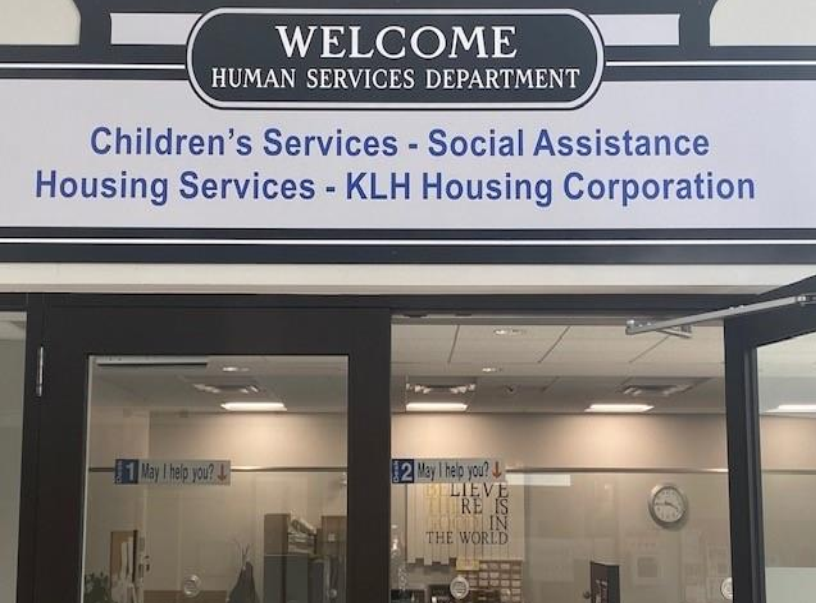
At the April 30 regular council meeting, Janine Mitchell, manager of human services, presented Ontario Works caseload demographics. The Ontario Works Program provides financial and employment assistance to people who are in temporary financial need. The municipality’s current Ontario Works monthly caseload by heads of household is 1,531, which includes 2,990 individuals.
“The province predicted our caseload would be 1,499 by the end of 2025. We have already exceeded those caseload numbers in 2024, and it is expected that our caseloads will continue to grow,” Mitchell shared, while demonstrating the growth in need over the last few years. Data showed that the ideal caseload for a single client service worker is 50-60 cases, while they are currently managing 90-105 cases each. Mitchell confirmed they would need four to six additional staff to manage the growing demands.
In 2023, individuals in receipt of Ontario Works (OW) would receive $8,796 annually to cover all food, clothing and shelter costs. This rate has not increased since 2018, and is significantly below the 2023 living wage in Kawartha Lakes and Haliburton of $37,492.
The presentation provided analysis on how long people receive assistance, as well as age, gender and education level of participants.
The top five goals that people in receipt of OW had in 2023 include accessing community supports, life skills supports and services, health services, crisis and safety (including housing) and employment. Barriers that prevent them from achieving those goals include level of education, food security, mental health, transportation and finances.
Community partnerships are essential to address goals and barriers in health and mental health services, housing supports, community programs and others.
View the presentation slides on the municipality's website, or watch the presentation on its YouTube Channel.
Social Services Service Plan 2024 to 2028
Council also received the Social Services Service Plan 2024 to 2028 at the April 30 regular council meeting. This report highlights the increased complexity and need of the people that the Kawartha Lakes Human Services team serves.
Key takeaways from this report include:
- That 85% of stabilization support funding is directed to housing stability, which includes support for first and last month rent, rent arrears and utility arrears
- Reasons people remain on social assistance include mental and physical health, transportation needs, employment, relationship and soft skills training and seasonal work.
- Supports are needed to help people maintain employment; a top barrier to maintain employment is access to reliable transportation.
- Long wait times is another a common barrier to accessing supports, including waitlists to access licensed child care, mental health supports and affordable and safe housing.
- Access to services is often linked to technology (phone, internet) which is costly and a barrier itself.
View the full Social Services Service Plan 2024 to 2028 on the municipality's website.
2 Comments