
There are times for diplomacy and there are times for backbone. In the wake of U.S. comments and actions these past two weeks, it is time for the latter from Canada.
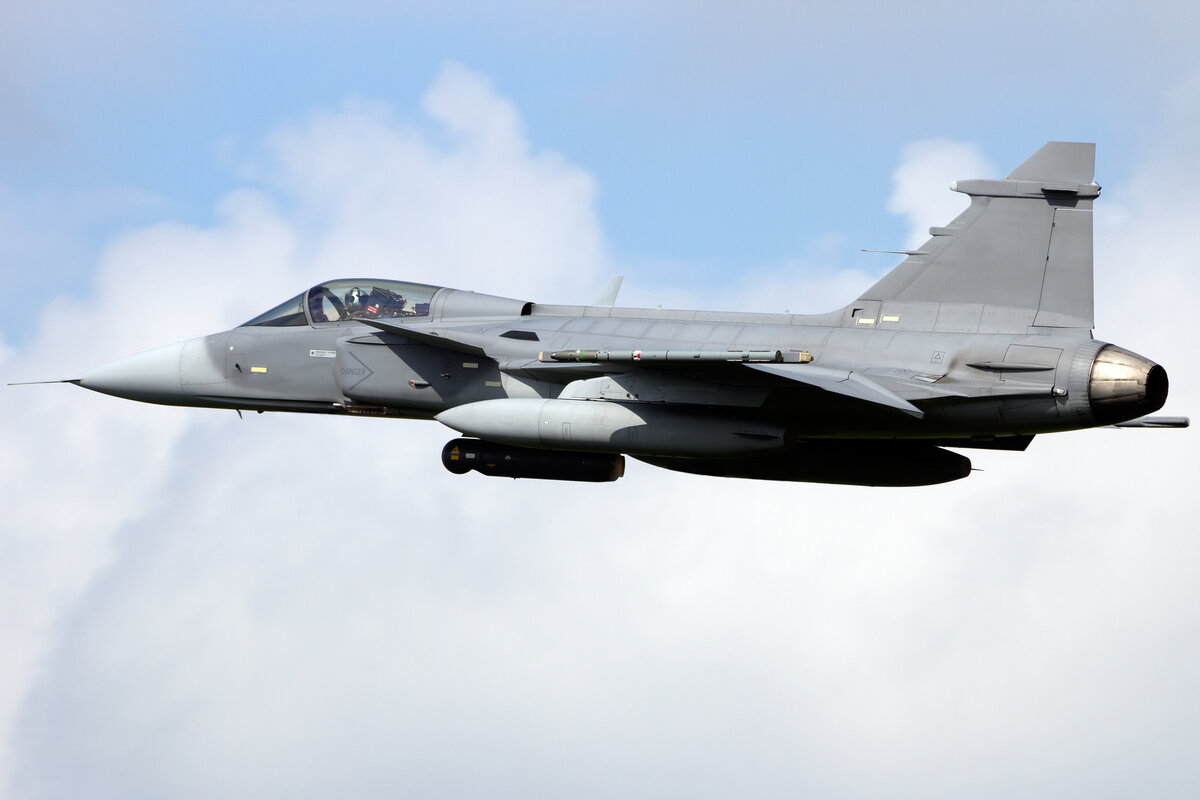
And when it comes to the Canadian Armed Forces, that means choosing Sweden’s jets over the American F-35s.
This past month has been too much. Start with Pete Hegseth, U.S. secretary of war (what a stupid job title) and his mocking of a female Canadian cadet, ostensibly for her weight. Hegseth’s jibe was a public, contemptuous dismissal of a longstanding institution that teaches valuable skills to young people. It was rightly condemned, here and abroad.
Then consider Treasury Secretary Scott Bessent’s comments, trivializing our military’s capabilities, as if we had not shed blood with American soldiers as recently as Afghanistan. In fact, after the U.S. and Britain, Canada’s contingent was the largest mobilized in that nation. More than 40,000 Canadian Armed Forces members served in Afghanistan between 2001 and 2014. This included major combat operations in Kandahar, leading the Kandahar reconstruction team, and a wholeofgovernment presence including diplomats, development workers, and police.
The U.S. administration’s rhetoric and actions, including starting the tariff fight on billions in Canadian exports, has felt like a shakedown.
As Prime Minister Mark Carney rightly moved production of future VIA Rail cars to Thunder Bay recently, instead of the U.S., it’s also time for a rethink of defence procurement. The prime minister must not send mixed signals by choosing American jets over what’s on offer from Sweden.
Too deeply tethered
At the root of this debate within the CAF is comfortability. There’s too much evidence suggesting that Canada’s military has grown deeply comfortable with a close, almost reflexive operational relationship with the United States. The F35 is a prime example.
A major part of this comes from decades of NORAD integration, where Canadian and American officers work sidebyside in a binational command structure. In recent reporting, Maj. Gen. Chris McKenna — Canada’s senior operational air commander for NORAD — emphasized that interoperability with the U.S. is not an addon but a baseline requirement for how Canada currently fights.
In other words, buying it would deepen our dependence on American command systems, logistics, and maintenance chains.
The Gripen debate has exposed this comfort even more clearly. Analysts and U.S. officials have warned that if Canada reduced its F35 purchase or substituted Gripens, NORAD would need to be “altered,” and the U.S. might have to increase its fighter presence to cover capability gaps. That argument only makes sense in a world where Canada is assumed to be tightly embedded in U.S. command structures — and where any deviation is treated as destabilizing.
Well, it’s time for some destabilization.
Even critics of the Gripen option point to the U.S.controlled encrypted communications system, noting that Canada must obtain American approval to fully integrate any fighter into NORAD. The fact that this is seen as normal — that Canada’s air sovereignty depends on U.S. permission for encryption keys — shows how deeply the interoperability mindset has taken root.
Taken together, these examples suggest a military culture that has grown too comfortable with American leadership.
Sweden offers a different path. The Gripen comes with concrete industrial benefits and technology partnerships that would grow Canadian capacity. Sweden’s approach is partnership – from thousands of Canadian jobs to sovereignty and source code. They have even said Canadian engineers and companies can join in developing the next generation of fighters with them.
One day the U.S. may act like our friend again. Today is not that day. Choosing Gripens would not sever our ties with the United States. It would rebalance them. It would tell Washington that Canada’s military choices will reflect Canadian needs and Canadian industry, not the convenience of American supply chains.
Most importantly, Carney would have Canadians behind him: a clear majority supports a Swedish partnership for our next fighter fleet.
Yes, Canada already trades extensively with the United States in military equipment. But this decision is too visible, too consequential, and too symbolic for the prime minister to default to the F35. It’s time to choose Stockholm, not Washington D.C.




1 Comment