
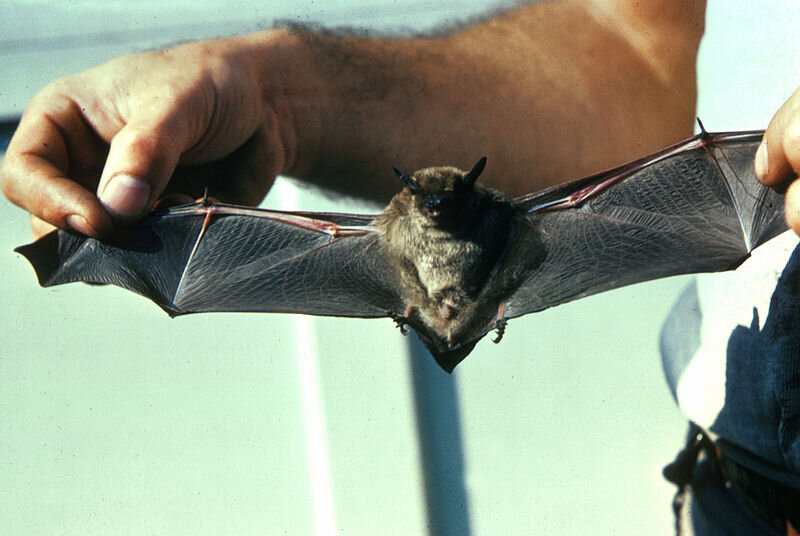
Local residents are being urged to take precautions against rabies in the wake of an incident in which a woman was bitten by a rabid bat in her home.
The Haliburton, Kawartha, Pine Ridge District Health Unit says a woman was provided post-exposure vaccine for rabies and is recovering well in the aftermath. The incident took place recently at her home, where a bat that had entered the dwelling bit the woman as she slept. The bat was later captured, sent for testing and tested positive for rabies.
The incident, which took place in the Health Unit region (City of Kawartha Lakes, Haliburton County and Northumberland County) is a reminder to take care around bats, says Richard Ovcharovich, Environmental Health Manager with the HKPR District Health Unit. “Contact with any wild animal, including bats, should be avoided if at all possible,” he says. “It’s never worth the risk, especially when rabies is involved.”
Saliva
Rabies is transmitted when there is contact with the saliva of an infected animal through a bite, lick or scratch. As in this incident, a post-exposure vaccine is available for humans in the event of contact with a rabid animal. If left untreated, rabies is almost always a fatal disease caused by a virus that affects the central nervous system of warm-blooded animals, including humans.
Bats in the home can be a nuisance and potential hazard to you and your family, Ovcharovich notes. Bats are also capable of transmitting rabies to humans and other animals. Although most animal bites are readily apparent, bites inflicted by bats can be harder to notice, especially if it involves an infant, child or those with cognitive impairments.
When it comes to bats, the Health Unit offers these tips:
- If you suspect you may have been bitten or had contact with a bat, immediately report this to your family doctor and the HKPR District Health Unit at 1-866-888-4577, ext. 5006.
- If you are bitten or scratched by a bat that is discovered in your home, leave the room, close the door and contact a professional pest control company or wildlife removal company. Do not touch a bat with your bare hands. If there was no human contact (bite or scratch), open a window and allow the bat to get out.
- If you have bats living on your property and want to remove them, contact a professional pest control company or wildlife removal company.
- If you discover a bat outdoors that is injured, acting strange or dead, do not touch it.
- As bats can transmit the rabies virus to pets like dogs and cats, ensure rabies vaccinations are up to date. The Health Unit is again working with area veterinarians to offer low-cost rabies vaccination clinics on Saturday, Sept. 29. Speak to your vet or contact the Health Unit at 1-866-888-4577, ext. 5006, or www.hkpr.on.ca for a list of times and locations.
- Bat-proof the home. If bats are found in the home, seek advice from an animal control or wildlife conservation authority. If doing it yourself, carefully examine your home for holes that might allow bats entry into your living quarters, then take steps to seal them. For instance, caulk any openings larger than a quarter-inch by a half-inch, ensure all doors to the outside close tightly, and use window screens, chimney caps, and draft-guards beneath doors to attics.
Leave a Comment
Your email address will not be published. Comments are moderated.