
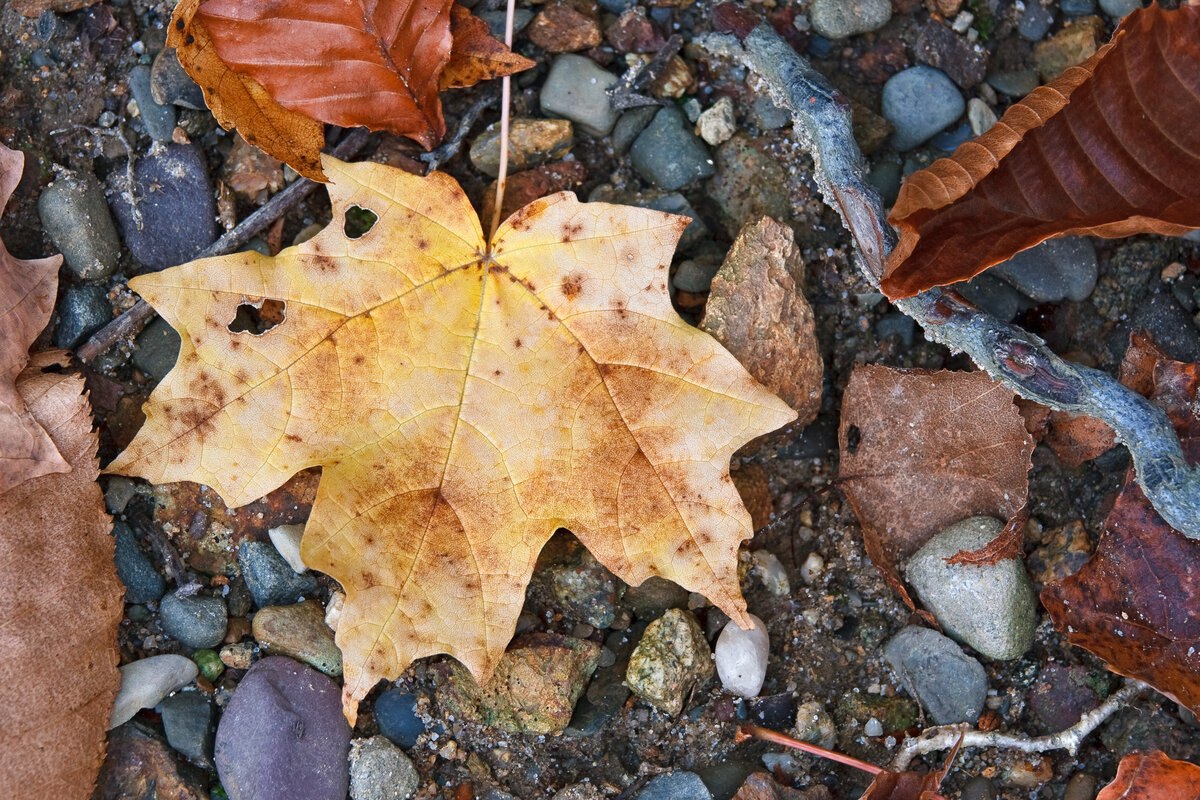
This unseasonably warm November has given time to be outdoors for yard work and plan for the seasons to come. With the leaves off the trees, the impact of the 2025 ice storm is more evident. Many of our remaining maples now miss their crowns. But they are all getting ready for spring, with fat buds already formed. It’s as if they’re saying “we’re battered, but we aren’t beaten.” They’re putting in the work now.
Enjoyable as it is now, this weather is also troubling. Kirk Winters’ column last month about the impact of the Super El Niño should be a warning to get ready. Climate change is already playing havoc with our weather. El Niño will supercharge it. David Phillips, senior meteorologist with Environment and Climate Change Canada, says we in Kawartha Lakes can expect a winter “with freezing rain instead of snowfall,” and less snowpack, leaving farmers with potentially a very dry late spring, and because “the moisture bank will not be refilled by winter snow…the forest fire season will begin earlier and run later.” He sums it up by saying “2027 will be the warmest year on record.”
He might also be implying that 2027 will be the costliest year on record.
Ontario just experienced its worst ever fire season. Heat waves, unusually dry conditions, and severe lightning storms in the north led to over 7,300 square kilometers burned. One fire alone (Thunder Bay 36) burned an area larger than Kawartha Lakes. Fires forced the evacuation of more than a dozen communities, torched small tourist businesses, and filled our skies north and south with noxious smoke. We learned how inadequately prepared we are for these conditions. How does one put a price on all of this – the destruction, the upheaval, the distress?
With our municipality still dealing with the costs of road maintenance from our 2026 snowmageddon winter, what will be the impact on our roads and bridges of a freeze-and-thaw winter? Or the impact on our aging water treatment systems? Are we - as individuals, and as a community - ready for more freezing rain power outages? Maybe with less snow melt, we won’t have the same flooding, but are our homes, schools, workplaces, farms, and forests prepared for searing heat or more “100-year storms”? How do we all understand, plan for, and cope with this changing environment?
Research shows that every dollar invested now in climate adaptation measures will result in $13-15 in savings and benefits. It is reassuring that SCAN! Kawartha’s climate survey shows that our new council is concerned about climate change and believes in the importance of the city’s Healthy Environment Plan.
But we know that careful as we are, we can’t go it alone. We don’t have the resources. We learned that when we had to seek provincial assistance to pay the $29 million cost of the ice storm. And even then, we had to rummage in the couch cushions to find enough to cover the $3.5 million shortfall from the province.
And we are still left with the Ford government’s chilling message to us and other municipalities with ice storm damage: “the assistance is one-time only.” (Imagine if any of us said that to a friend or neighbour!)
But maybe this isn’t surprising from a government that has deliberately ripped up its climate plan, and over this past summer dismantled its Environment Ministry’s Climate Change and Resiliency Division.
Aren’t we all counting on there being a “they” who are taking care of complex things like climate change? Aren’t we supposed to have a government that has our back?
MPP Peter Tabuns, thinks so. He has introduced a comprehensive private member’s bill in the Ontario Legislature to protect Ontarians from the impacts of climate change. If passed, the Adapting to a Hotter Ontario Act, 2026, would require the government to have a strategic action plan throughout all its ministries, with programs to protect people, communities, infrastructure, and the natural environment, to help them adapt to our changing climate.
The bill would create a resource centre for climate adaptation and resilience, to provide evidence-based knowledge to government ministries, as well as municipalities, businesses and community organizations, to help them understand and address climate risks. And it would create an arms-length Climate Adaptation Fund to help pay for the protections that are needed. The bill will be debated in December. Let’s hope it succeeds.
Leave a Comment
Your email address will not be published. Comments are moderated.