
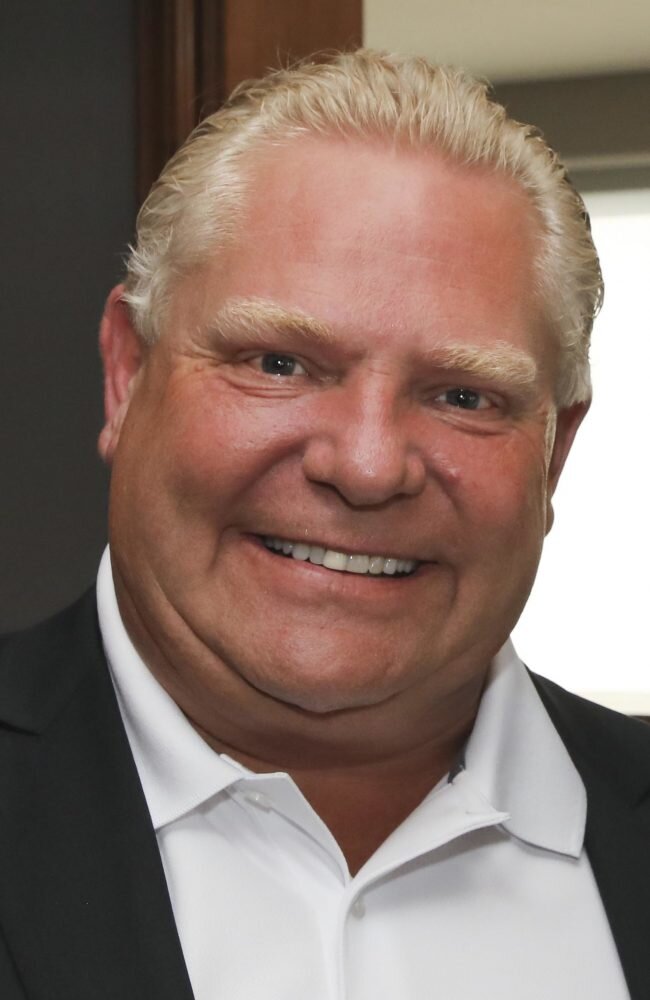
A lot of us have passion projects – something that we are emotionally invested in and will do whatever it takes to try and complete.
Our premier is no different, I guess. On the surface, our premier seems overly passionate about alcohol. All of us will remember his ‘buck-a beer’ promise during his first (successful) election campaign. Of course it didn’t happen, but it was smart politics. Approximately 75 per cent of Canadian adults consume alcohol, and beer holds the largest market segment of types of alcohol among those who drink.
Within hours of the first LCBO strike in the history of the province, the government made a map available showing where Ontarians could still buy beer, wine and spirits.
Don’t get me wrong. I love a good infographic. It’s just that I don’t remember any map showing which rural emergency departments are closed. Way back in the pandemic, I don’t recall a universal map showing where vaccines were available. I do remember having to inquire online at each privately owned pharmacy to see if I could protect myself and those around me.
Now, I have no problem with drinking. The health and social costs of alcohol use is one factor in the complicated value proposition we make that attempts to balance social well-being with individual freedoms and taxation revenue.
In a recent Advocate online piece, Professor David Rapaport succinctly outlined the importance of our provincial liquor sales model to essential services funding like healthcare. In fact, going back to Premiers’ Leslie Frost and Bill Davis (two of the best we have ever had), the importance of alcohol tax revenue made LCBO workers an essential service. There was a time when doctors could legally strike but your local LCBO clerk was forbidden by law to do so.
But perhaps the focus on alcohol by a non-drinking premier is more than shameless populism and an appeal to the beer-drinking electorate? What if – and hear me out – it is a folksy cover for the premiere’s real passion project: the privatization of all public services?
The legitimate backlog of medical procedures resulting from COVID was used to justify private clinics rather than more hospital funding. And maybe getting my driver’s license renewed at, say, an office supply store will be convenient, but I doubt it.
And it could be just a coincidence that the Ontario Science Centre was speedily closed (despite the objection of architects and an offer of private funding to fix the original); and that a big developer who also owns property adjacent to the centre also owns property on provincially expedited highway 413.
I’m not close enough to the powerful to be able to answer my own questions. But I do know that I wouldn’t lose millions of badly needed public money so that I could get my favourite beer or cooler four minutes faster.


5 Comments