
December is a month filled with a rich tapestry of celebrations from various cultural and religious backgrounds.
From Hanukkah, the Festival of Lights celebrated by Jewish communities, to the Winter Solstice, a time when Wiccans and Neo-Pagans mark the return of longer days, and the Muslim holidays of Eid al-Fitr and Eid al-Adha, which reflect themes of fasting, charity, and remembrance.
December is also home to Christmas, a festive season marked by generosity, decorations, and gatherings, regardless of religious affiliation. These December celebrations remind us of the diversity and shared values that unite people in Kawartha Lakes.
Muslim Celebrations
Eid al-Fitr is a holiday at the end of Ramadan, a month when Muslims fast from dawn to sunset. During Ramadan, the breaking of each day's fast typically involves a meal with family and often friends. Once the month is over, they have a big celebration meal with family and friends, say special prayers, and may give gifts to each other.
Often shortened to just Eid, it is celebrated about two months later and 10 days after Ramadan ends and lasts four days. It is a holiday to remember the Prophet Abraham. He was ready to sacrifice his son as God asked him in a dream. God gave him a sheep to sacrifice instead of his son. Muslims will sacrifice a sheep, a cow, a goat, or some other animal. During this time, the distribution of the meat is one-third for the family, one-third for friends, and one-third to the poor. Some make a pilgrimage to Mecca as well.
As Muslims follow a lunar calendar that is 10 days shorter than the Gregorian calendar, the dates of both celebrations change each year, and either holiday may occur in December in some years.
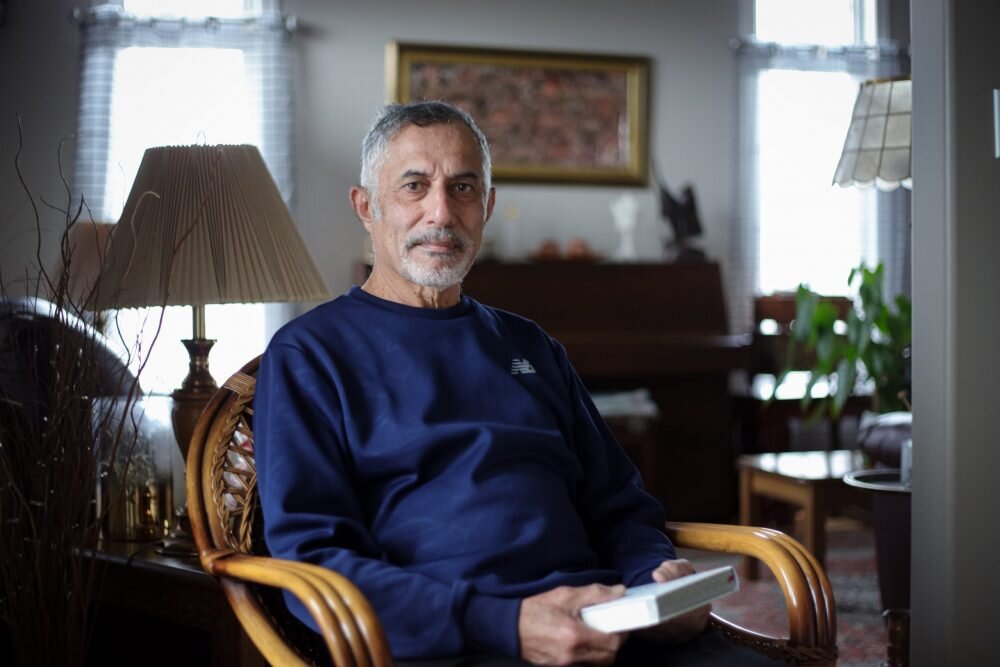
Abdul Sangrar is a Lindsay Muslim who says both celebrations are equally important to him. Breaking the fast after Ramadan with a meal with family and friends is a "real feast," and the giving of meat during Eid is his favourite aspect of the later celebration.
Along with his wife and their families, they tend to go out for dinner, or have it catered as they have grown too large to hold celebrations in their homes.
Sangrar is a nuclear medicine technologist at Ross Memorial Hospital and is originally from Kenya. He has donated meat to local food banks and buys a whole cow or goats for orphanages back home to mark the holiday. "That particular festival is very good because when we interact with people, we remember the poor."
Hanukkah
Hanukkah is a holiday celebrated by Jews, and it lasts for eight days. It is sometimes called the Festival of Lights and usually falls in December.
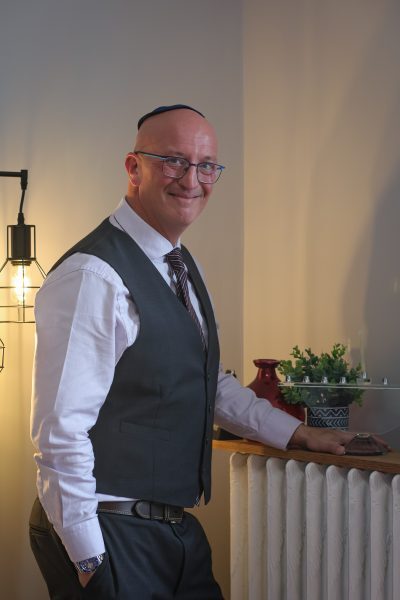
Lindsay realtor Ari Zider, who is Jewish, says the holiday is about a battle that happened, and there was a drop of oil left that was supposed to last one day. "The miracle is that this oil lasted for eight days."
During Hanukkah, Jewish families light a special menorah with nine candles. One candle is used to light the others.
Zider says he loves to make potato pancakes called latkes. His family also prepares matzo ball soup, another traditional Hanukkah food.
Zider says he has the best of both worlds as his wife is Christian. Along with their two daughters, they celebrate both holidays. "Eight days of holidays, eight days of presents or money, and for us, we just combine it with Christmas."
Winter Solstice Yule
Wiccans and Neo-Pagans celebrate the winter solstice on Dec. 21 with the festival of Yule.
The celebration starts with a trip through a forest or on a hiking trail to forage for seasonal items to be used in home decor for the celebration. Wiccan solstices or sabbaths rely heavily on using as much as you can from nature.
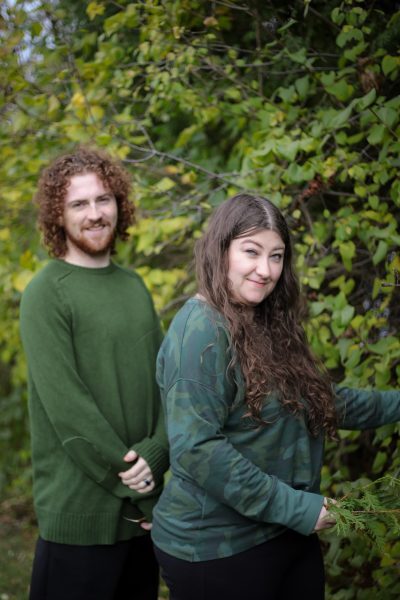
Lindsay Wiccan Sydney Crane and her husband, celebrate the Yule dinner with family and friends, and she notes the menu typically remains the same as Christmas fare, but it's a common practice to use symbolism in the cuisine, such as baking bread or buns in the shape of the sun or carving appropriate runes and symbols onto the bottom of a pie crust before baking.
Crane uses pinecones and needles, along with dried orange slices, for garlands and to decorate. The orange slices symbolize the sun or sun god who is asleep or ‘dead’ for the winter. She notes there are also certain herbs, crystals, symbols, and even colours that correspond with Yule.
Gift-giving during the Yule celebration is key, said Crane, with family members making each other handmade items such as jams, knitted socks or sweaters, a favourite dessert, candles, lotions, or anything as long as it's homemade.
The best part, according to Crane, is foraging with her family. She said it feels like one of the best ways to bond as a family without phones and just out walking and talking. "It's really beautiful."
Christmas
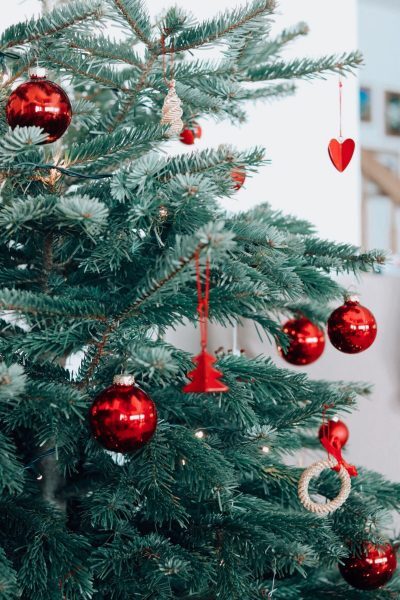
Christmas is a holiday celebrated on Dec. 25. It celebrates the birth of Jesus Christ. Many who are not Christians also celebrate Christmas because it's a time for happiness, kindness, and spending time with loved ones. Children may wake up to find gifts from Santa Claus in their stockings. Christmas trees are adorned with ornaments, and homes may be festooned with lights and decor for the season as well. Most people mark the day with a large meal featuring a turkey or ham, potatoes, and many vegetables and sweets.
Wendy Witt is a real estate business owner in Fenelon who loves to spend Christmas with her family. Her three children are now grown with their own children, and the family does not get to spend Dec. 25 together often, but usually meet a few weeks before to celebrate.
In the early years of parenthood, Witt says they would celebrate two Christmases — with two big, traditional meals. Witt's husband is German. The first celebration would be on the eve of Dec. 24, replete with a German sweet and sour red cabbage dish added to the meal and a call to the children from their German Oma and Opa. In keeping with their father's heritage, the children would also open a gift from their grandparents. Witt used to sing in the Fenelon Falls United Church choir during the Christmas holidays as well.
On Christmas Day, the three Witt children would open gifts and enjoy the day and a turkey dinner with family. Their parents would invite guests to join them if they did not have anyone to spend the holiday with.
With the Witt children now grown and four grandchildren in the mix, Witt says when they can celebrate Christmas together — usually every other year — it is her best-loved tradition of the holiday.
Boxing Day
Boxing Day was said to originate in the 1800s in Great Britain. Flush business owners would give their employees and staff Christmas leftovers and other presents, sent home in boxes on Dec. 26. Other sources say the holiday was meant to collect donations for the poor.
Great Britain and some Commonwealth countries, including Australia, Canada, and New Zealand, celebrate modern Boxing Day traditions with shopping and sporting events.
While Joy Cross does enjoy finding bargains on Boxing Day, she embraces one of the original ideas of helping others as she shops to fill charity boxes for the next year. Cross supports the Samaritan's Purse project, Operation Christmas Child. The program collects shoebox gifts filled with fun toys, school supplies, and personal care items—and delivers them to children in need around the world.
The Fenelon Falls resident and hospice services worker in Lindsay prepares for the day by scouring sale flyers beforehand. If she knows anyone heading to Peterborough, she may ask them to hunt down larger sale items.
But shopping local is always part of her plan, never missing a trip to the Red Apple department store in Fenelon Falls. "They do a huge sale on Boxing Day that most people don't want to miss!"
While finding deals on Boxing Day is important to Cross, the best part for her is spending time with her family on Dec. 26.
Other Holidays
Although we couldn't find local people celebrating them, other important holidays at this time of year include Kwanzaa, which is based on African harvest festival traditions from various parts of West and Southeast Africa.
There's also Ōmisoka, celebrating activities Japanese people do on the final day of the year. To usher in the new year, families and their children clean their homes to prepare for the New Year.
Posadas Navideñas in Mexico includes—traditional Christmas parties over a nine-day religious observance meant to honour Mary and Joseph's quest for shelter.


3 Comments