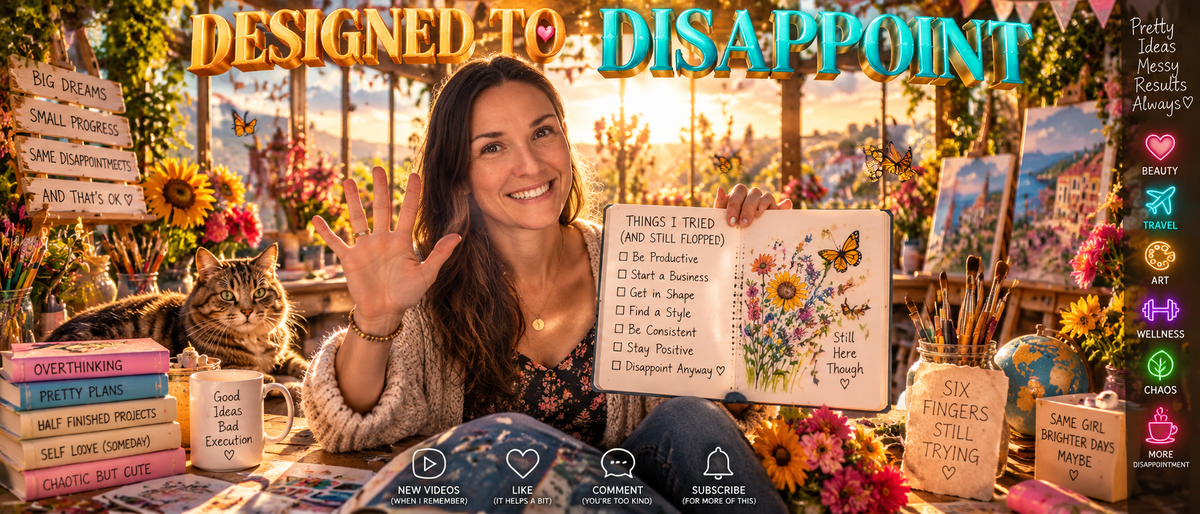
I’ve recently found myself hesitating to share social posts from local organizations I genuinely support. Not because of the cause or the message, but because of the graphics.
You know the ones. Overly polished illustrations, dramatic lighting, incredible amounts of text and icons, and layouts with far too much going on. That unmistakable AI-generated look is suddenly everywhere and looks exactly the same.
As someone who works in design and marketing, I find it frustrating. But as a small business owner, I understand the appeal. When you’re short on time and working with a limited budget, typing a prompt and having a promotional graphic appear in seconds sounds like a pretty good deal.
Except I’m not convinced it’s doing brands any favours.
Good design isn’t just making something look nice. It’s understanding what needs to be communicated and how best to communicate it. Designers consider hierarchy, readability, accessibility, and brand consistency. The goal isn’t to fill every available inch with something eye-catching. It’s to make sure the right things get noticed.
And just because something “looks good” doesn’t mean it actually works.
I see this constantly in the stained glass community, where AI-generated patterns have become increasingly common. They might look beautiful on a screen, but many are practically impossible to construct. You can’t simply cut shapes out from the middle of a piece of glass, and panels need to be designed with structural integrity in mind. There’s a difference between creating an image of stained glass and understanding how the construction of it actually works.
That’s why Etsy’s recent decision to prohibit AI-generated craft patterns makes perfect sense to me. Sellers can churn out convincing-looking designs in seconds, but it’s the buyers who waste their time, money, and materials trying to make something that was never going to work in the first place.
There’s also the issue of trust. Research from Clutch found that 95 per cent of consumers have concerns about AI-generated imagery, with authenticity, deception, and ethics among the biggest worries. If your organization has spent years building credibility, is saving 20 minutes on a graphic really worth risking it?
I’m not anti-AI. My business partner, Tod Ward, is co-leading The Path with local AI consultants Jason Sandison and Tonya Kraan. The initiative focuses on helping organizations navigate AI responsibly, with human judgment and trust at the centre of its approach. I see tremendous potential in this technology, especially for small businesses and nonprofits.
But there’s a difference between using AI to make your work better and using it to avoid doing the work.
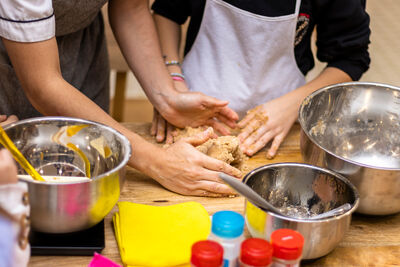
Your audience doesn’t need another glossy, generic illustration. They want to see your people, your work, and what makes your organization different. A real photograph, a simple graphic, or even a few thoughtfully chosen words can accomplish more than AI Slop.
Your brand is built on the things that make you different. Why use a tool that makes you look like everyone else?

Leave a Comment
Your email address will not be published. Comments are moderated.