

As Kawartha Lakes approaches the 2026 municipal election, residents will naturally focus on the names appearing on the ballot. We will examine candidates’ positions on roads, taxes, policing, fire protection, housing, recreation and economic development.
But there is another question we should ask:
Why would a capable person want to become a municipal councillor when the job carries so much responsibility, offers so few meaningful financial tools and increasingly comes with a serious personal cost?
A councillor is expected to answer for every pothole, delayed road project, deteriorating arena, slow emergency response and property-tax increase. Residents do not usually telephone Queen’s Park when their road needs grading, their fire station requires equipment, or their tax bill rises.
They call their councillor.
Yet councillors do not control the basic rules of the game. They cannot impose a local income or sales tax. They cannot dedicate a municipal fuel tax to the thousands of kilometres of roads Kawartha Lakes must maintain. They cannot ignore provincial policing, planning, environmental or asset-management requirements because the municipality cannot afford them. Nor can they simply return former Highway 36 — downloaded by the province in 1998 — to the Ministry of Transportation, even though the municipality must now bear the cost of maintaining it. They must provide the services and balance the budget. But the province largely determines the financial toolbox with which they are expected to do it.
Property tax remains the municipality’s principal source of revenue. The province, meanwhile, collects income taxes, corporate taxes, sales tax, fuel taxes, land-transfer tax and other revenues unavailable to Kawartha Lakes. That is an extraordinary imbalance of responsibility and financial power.
Extraordinary geography, ordinary revenue
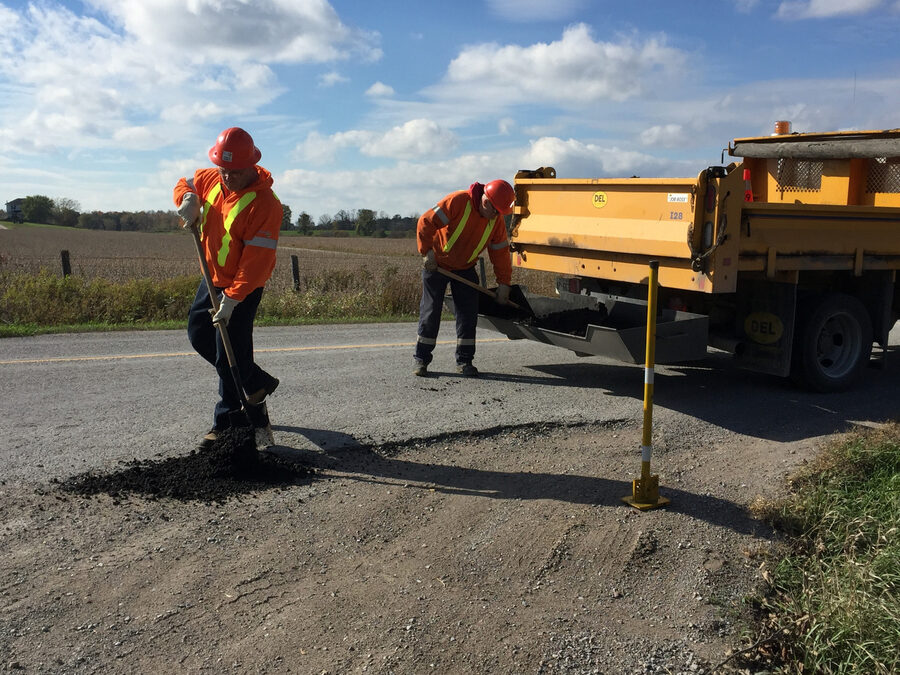
Kawartha Lakes is not a conventional city with a small rural fringe. It is a single-tier municipality responsible for Lindsay, smaller towns and villages, farms, lakes and seasonal communities across an enormous territory. It carries many of the infrastructure obligations of a large rural county while relying on the tax base of a modest population.
A road must still be plowed, inspected, repaired and eventually reconstructed whether it serves 20 households or 2,000. Bridges and culverts do not become cheaper because fewer taxpayers use them. Public works equipment must travel considerable distances between communities.
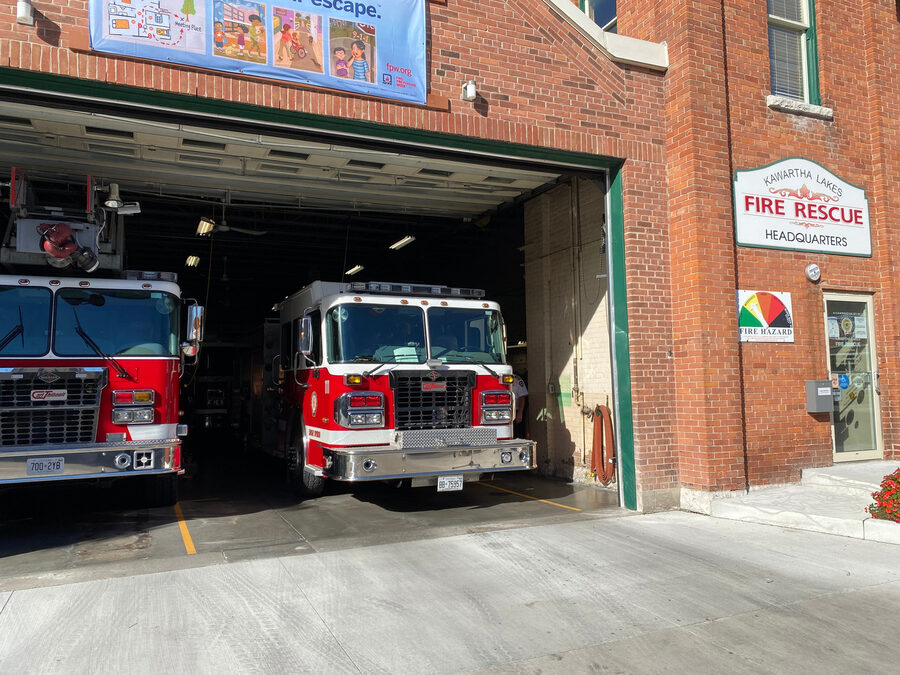
Fire and rescue coverage is also driven by geography, not population alone. The municipality must maintain stations, vehicles, tankers, rescue equipment and trained personnel across widely separated communities. Volunteer firefighters provide tremendous value, but volunteer fire protection is not free. They must be recruited, trained, equipped, insured and compensated. Many also hold full-time jobs, which can create daytime recruitment and availability challenges. Vehicles must be maintained and eventually replaced. Council cannot simply withdraw emergency coverage from a distant community because its tax base is too small. Distance creates the expense before the first emergency call is received.
Policing adds another layer of complexity. Kawartha Lakes finances two policing arrangements: the Kawartha Lakes Police Service in Lindsay and Ops, and the Ontario Provincial Police throughout the rest of the municipality. There may be good operational reasons for retaining a local service. But supporting a municipal police force while also paying OPP costs for the rural area is more complicated — and potentially more expensive — than operating under one policing structure. Council cannot simply eliminate either cost. A change would involve provincial requirements, labour agreements, transition expenses, service levels and public-safety consequences.
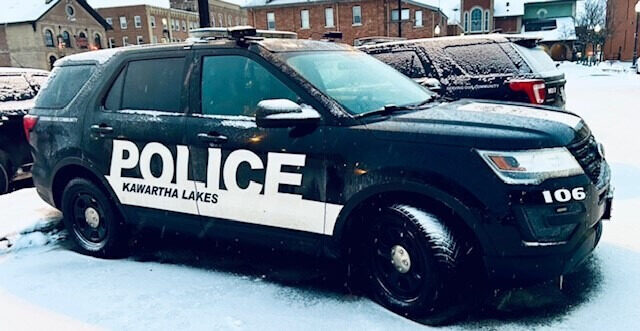
Once again, the public holds council responsible while many of the decisive rules remain outside council’s control.
More than roads and fire trucks
Modern municipal expectations extend far beyond traditional infrastructure. Residents expect Kawartha Lakes to help recruit family doctors and support rural medical centres and family health services when the provincial health system falls short.
They expect the municipality to provide public and affordable housing, homelessness prevention, emergency shelter and outreach. Homelessness and addiction are experienced locally, even when many of their causes and possible solutions fall within provincial health, housing and social-service systems.
A shortage of affordable housing, inadequate mental health care, limited addiction treatment and insufficient income supports show up in municipal shelters, libraries, parks and public spaces. Residents understandably expect the city to respond. They want outreach, safer streets, supportive housing, encampment management and emergency services. Police, paramedics, firefighters and municipal employees are often left dealing with the immediate consequences.
This is not an argument for abandoning people in crisis. The municipality must respond humanely and protect public safety. But property taxpayers cannot be expected to compensate indefinitely for shortcomings in provincial housing, mental health and addiction systems. Council is also expected to support childcare, community centres, youth and summer programs, parks, beaches, libraries, museums, cultural organizations and cemeteries.
None of these services is frivolous. They help turn a collection of towns, villages and rural communities into a place where people can build a life. But together they reveal the impossible breadth of municipal expectations.
Residents want roads repaired, taxes restrained, emergency coverage protected, doctors recruited, homelessness addressed, addiction treated, housing built, childcare available, museums preserved and programs available for children.
They are entitled to want those things.
The problem is that council must finance the local response from the same narrow pool of property taxes and user fees.
None of these services is frivolous. They help turn a collection of towns, villages and rural communities into a place where people can build a life. But together they reveal the impossible breadth of municipal expectations.
The no-win budget
Raise property taxes and councillors are accused of being wasteful. Hold taxes down and roads, bridges, emergency vehicles and community buildings deteriorate. Increase user fees and residents may be priced out of services. Reduce services and councillors are accused of abandoning communities.
Every available choice disappoints someone. None fixes the imbalance between municipal responsibilities and municipal revenue powers. That does not place every city expenditure beyond criticism. Residents should demand careful procurement, efficient administration and transparent budgets. Provincial constraints cannot become an excuse for waste. But a potential candidate can examine the arithmetic and see the trap.
A prospective candidate for office will also consider compensation of approximately $55,000 for the next council term. Although councillor positions have traditionally been treated as part-time public offices, meetings, constituent work, preparation and emergency demands can consume hours more typical of a full-time commitment.
For many mid-career professionals, working parents and residents without flexible employment or independent financial security, seeking council may require a substantial reduction in income. That narrows the range of people who can realistically afford to run and risks producing a council less representative of the community it serves.
Candidates are therefore being asked to accept possible financial sacrifice and public blame at the same time. They must defend tax increases while maintaining essential infrastructure, emergency services, two policing systems, housing programs and community facilities. They will be expected to promise better results while relying overwhelmingly on property taxes and user fees. When they explain those limitations honestly, they risk being accused of making excuses.
Who would want that job?
Hostility and harassment
Municipal politics has also become increasingly hostile. The recent decision by Deputy Mayor and Ward 8 Coun. Tracy Richardson not to seek re-election after experiencing harassment directed at herself and her family should concern anyone who wants capable people — particularly women and people from a wider range of backgrounds — to enter public life.
Councillors must accept scrutiny and defend their records. But criticism is not harassment.
Recent criminal charges arising from alleged threats and harassment toward a local public official also demonstrate that hostility toward municipal officials is not always confined to angry emails or social media comments. The allegations remain before the courts and must be decided through the judicial process.
When experienced representatives leave and potential candidates decide the financial and personal cost is too high, municipal democracy becomes weaker. The provincial structure did not cause individual acts of abuse. But it helps place local politicians in the line of fire for problems they lack the power to solve.
The provincial minister remains distant. The local councillor is accessible at the grocery store.
Queen’s Park built the structure
This problem did not begin with the current provincial government. Successive Progressive Conservative and Liberal governments have maintained a system in which municipalities deliver an expanding range of services while remaining heavily dependent on property taxation.
Provincial grants and emergency assistance are valuable, but one-time announcements are not a substitute for a sustainable funding structure. Council cannot plan the replacement of roads, bridges, fire vehicles and community facilities around the hope that a grant program may eventually appear. Kawartha Lakes needs stable funding that recognizes its geography, dispersed population, extensive road network and emergency-service responsibilities.
Our MPP, Laurie Scott, should be asked what she is doing to secure that reform. Will she advocate for a permanent funding formula reflecting the cost of governing a large rural single-tier municipality? Will she support broader and more dependable municipal revenue options? Will she press Ontario to pay a greater share of services whose standards and costs it controls?
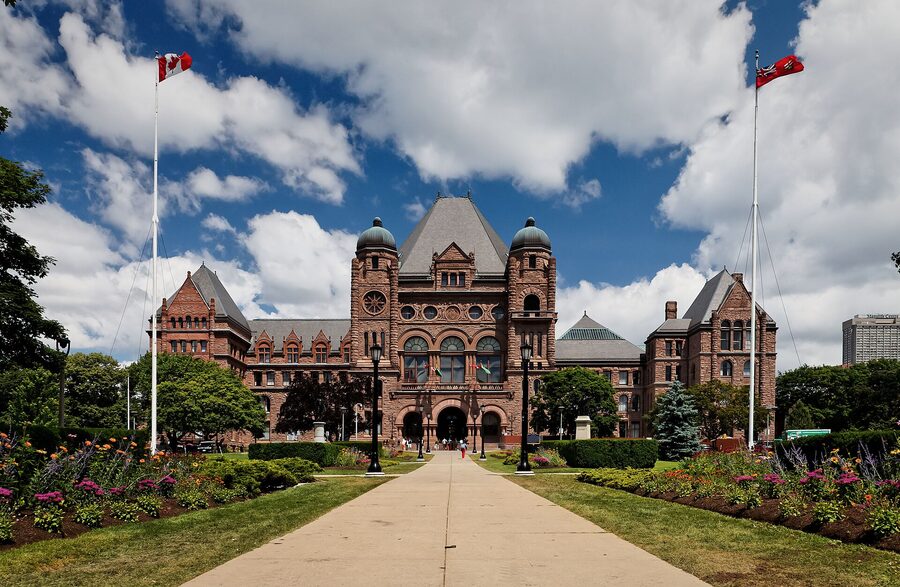
These are not partisan questions. Different governments helped create the present arrangement. But the current government controls the legislation, provincial budget and power to change it. The same questions should be put to municipal candidates.
Promises of lower taxes or expanded services are incomplete unless candidates identify a new revenue source, a service reduction, a measurable efficiency or a credible commitment from another government.
Our MPP, Laurie Scott, should be asked what she is doing to secure that reform. Will she advocate for a permanent funding formula reflecting the cost of governing a large rural single-tier municipality?
Kawartha Lakes does not need candidates promising miracles with the same restricted toolbox. It needs councillors who will explain the arithmetic, make defensible choices and challenge the system that has made those choices so limited.
Queen’s Park created the municipal structure. It controls the rules and possesses broader financial powers. It then leaves local councillors to absorb the anger when taxes rise and services fall short.
That is not genuine local autonomy. It is provincial control combined with municipal blame.
Queen’s Park must either give municipalities revenue and authority proportionate to their responsibilities or take back greater responsibility for the services it regulates. Until then, councillors will remain publicly accountable for results they do not have the power to produce.
Residents should not be surprised when capable people examine the impossible arithmetic, consider the personal cost and ask themselves the most reasonable question of all:
Who would want this job?


Leave a Comment
Your email address will not be published. Comments are moderated.